Navigating the evolving world of desktop PCs for gaming in 2026 requires up-to-date information. This comprehensive guide helps you understand essential components and optimize your setup for peak performance. We delve into hardware upgrades, software configurations, and system maintenance. Discover how to troubleshoot common issues like FPS drops and lag, ensuring a smooth gaming experience. Learn about the latest trends in CPUs, GPUs, and storage solutions driving the industry forward. Whether you are a casual player or a competitive esports enthusiast, optimizing your desktop PC is crucial. Unlock your PC's full potential with expert tips and detailed explanations tailored for the modern gamer. Stay ahead of the curve with insights into upcoming technologies and essential best practices for longevity. This resource provides actionable advice to enhance your gaming rig significantly. Maximize your frame rates and minimize latency across all your favorite titles, from intense FPS to immersive RPGs. Get ready to elevate your gameplay to an entirely new level.
Welcome, fellow gamers, to the ultimate living FAQ for desktop PC gaming in 2026! We know how quickly the world of PC hardware and software evolves, bringing new challenges, amazing builds, and sometimes, frustrating bugs. This comprehensive guide is your one-stop shop, updated for the very latest patches, driver releases, and cutting-edge optimizations. Whether you're a beginner struggling with settings, a seasoned veteran chasing those elusive max frames, or a competitive player aiming for zero lag, we've got you covered. Dive in to discover tips, tricks, detailed guides, and proven solutions to all your burning questions. Our aim is to empower you to dominate the virtual battlegrounds, conquer challenging RPGs, and truly enjoy every moment on your desktop for PC. Get ready to level up your gaming knowledge!
Beginner Questions & Setup Essentials
Is building my own desktop PC still worth it in 2026 compared to pre-builts?
Absolutely, building your own PC offers unparalleled value, customization, and learning experience. While pre-builts are convenient, DIY often provides better components for the price and allows for easier upgrades down the line, ensuring your rig remains relevant. It's a rewarding process that guarantees you know your machine inside out.
What are the crucial first steps after assembling a new gaming desktop?
After assembly, install your operating system, then immediately update all drivers, starting with your motherboard chipset and especially your GPU drivers. Ensure Windows Update is current, and then install your favorite games. Don't forget to enable XMP in your BIOS for optimal RAM performance.
How often should I clean my gaming desktop's internals for optimal performance?
Ideally, you should clean your desktop's internals every 3-6 months. Dust accumulation on fans and heatsinks can severely impede airflow, leading to higher temperatures and potential performance throttling. A can of compressed air is your best friend for this essential maintenance.
What's the best way to monitor my desktop's temperatures during gaming?
Use reliable monitoring software like MSI Afterburner (for GPU and overall system), HWMonitor, or HWiNFO64. These tools display real-time temperatures for your CPU, GPU, and other components, allowing you to catch overheating issues before they impact performance. Keep an eye on those numbers!
Settings Optimization & FPS Boosts
What are the top three in-game settings I should always optimize for FPS?
Prioritize reducing or disabling V-Sync (if you have G-Sync/FreeSync), lowering shadow quality, and reducing anti-aliasing. These three settings often have the most significant impact on frame rates across a wide range of games. Experiment with each to find your personal sweet spot between visuals and performance.
Myth vs Reality: Does closing all background apps truly boost FPS significantly?
Reality: Yes, closing unnecessary background applications can significantly boost FPS, especially on systems with less RAM or older CPUs. Apps like web browsers, Discord, or streaming services consume valuable CPU cycles and memory. Freeing these resources ensures your game gets maximum priority.
Should I enable Windows Game Mode for every PC game I play?
Generally, yes, enabling Windows Game Mode is beneficial for most games. It helps prioritize your game's resources and suppresses background tasks and notifications, leading to a smoother, more focused gaming experience. It's designed to be a "set it and forget it" feature that usually helps more than it harms.
How do I best leverage AI upscaling technologies like DLSS or FSR in 2026?
To leverage DLSS or FSR, ensure your GPU and game support the technology, then enable it in the game's graphics settings. Choose a "Quality" or "Balanced" preset for the best balance of image quality and performance. These tools render at lower resolutions and intelligently upscale, boosting FPS without major visual compromise.
Ping, Lag, & Network Solutions
Why do I still experience lag on my desktop even with a fast internet connection?
A fast internet connection doesn't guarantee low ping or no lag. Lag can stem from server-side issues, poor routing to game servers, or local network congestion. Ensure you're using a wired Ethernet connection, optimize your router's QoS settings, and consider a custom DNS server for potentially better routing.
What's the difference between ping and latency, and why do they matter for gaming?
Ping is a measurement of the time it takes for a signal to go from your computer to a server and back (round-trip time), usually measured in milliseconds (ms). Latency is the broader term for any delay in a system, where ping is a specific type of network latency. Both directly impact responsiveness in online games.
Myth vs Reality: Is Wi-Fi always worse than Ethernet for gaming?
Reality: For competitive or consistent online gaming, wired Ethernet is almost always superior to Wi-Fi. Ethernet provides a more stable, lower-latency connection with less packet loss and interference. While modern Wi-Fi 6E/7 is fast, it's still susceptible to environmental factors that Ethernet bypasses.
Can upgrading my router genuinely improve my desktop's online gaming experience?
Yes, upgrading to a modern gaming-focused router can significantly improve your online experience. These routers often feature advanced QoS (Quality of Service) controls, better beamforming, and stronger processors, which prioritize gaming traffic and manage network congestion more effectively, reducing lag for your desktop.
Stuttering Fixes & Troubleshooting
What's the most common cause of game stuttering on powerful gaming desktops?
The most common cause of stuttering on powerful desktops is often thermal throttling (CPU/GPU overheating), followed by background applications consuming resources, or driver-related issues. Less commonly, it can be due to inefficient game engine loading from slower storage or memory bottlenecks, especially with less RAM.
Myth vs Reality: Reinstalling Windows always fixes deep-seated performance issues.
Myth: While reinstalling Windows can solve many software-related performance issues by providing a clean slate, it's not a magical cure-all. Hardware failures, physical overheating, or external network problems won't be resolved by a fresh OS installation. Always diagnose the root cause before a full reinstall.
How do I identify and resolve driver conflicts causing stuttering or crashes?
Driver conflicts often manifest after installing new hardware, software, or driver updates. Use Windows Device Manager to check for warning signs. Try performing a clean installation of your graphics drivers using DDU (Display Driver Uninstaller) in Safe Mode. Rollback options are also useful for recent problematic updates.
Are specific in-game settings more prone to causing stuttering than others?
Yes, certain in-game settings can be particularly prone to causing stuttering. High texture quality on GPUs with insufficient VRAM, ray tracing at demanding settings, and overly aggressive anti-aliasing can overload your system. Exceeding your CPU's capability with very high draw distances can also lead to stutters.
Hardware Builds & Upgrades
What CPU and GPU combination is ideal for 1440p high-refresh rate gaming in 2026?
For 1440p high-refresh gaming in 2026, an Intel Core i7 15th Gen or AMD Ryzen 7 8000 series CPU paired with an NVIDIA RTX 5070/5080 or AMD RX 8700/8800 XT GPU provides excellent performance. These combinations offer a strong balance of processing power and graphical fidelity to maintain high frame rates.
Myth vs Reality: More RAM always means better gaming performance.
Myth: While sufficient RAM is crucial (16GB is usually the sweet spot for 2026 gaming), simply adding *more* RAM beyond what games utilize won't automatically boost performance. What matters more is RAM speed (Mhz) and timings, especially when running at its XMP profile. Diminishing returns occur past 32GB for most gaming scenarios.
When should I consider upgrading my desktop's power supply unit (PSU)?
You should consider upgrading your PSU when you plan to install a significantly more powerful GPU or CPU that requires more wattage than your current unit can safely provide. Also, if your current PSU is old, showing instability, or not energy-efficient, an upgrade is a smart investment for system stability and reliability.
Is it worth investing in a high-end gaming monitor (240Hz+) for a mid-range desktop PC?
It depends. A high-refresh-rate monitor is fantastic, but a mid-range PC might struggle to consistently hit those high frame rates in demanding titles. It's often better to match your monitor's refresh rate to what your PC can consistently output. However, a good monitor lasts longer than PC components, so it can be a future-proof investment.
Game Specific Optimization & Builds
What build strategies are crucial for competitive FPS titles on desktop PC?
For competitive FPS, prioritize high frame rates, low input latency, and a consistent experience. This means investing in a powerful CPU, a fast GPU, and a high-refresh-rate monitor. Optimize settings for performance over visuals, ensure minimal input lag with a wired mouse and keyboard, and practice aiming and movement with WASD controls.
How do I optimize my desktop for MOBA games like League of Legends or Dota 2?
MOBA games are generally less graphically demanding but benefit greatly from stable high frame rates and low ping. Focus on a good CPU, sufficient RAM (16GB), and a solid internet connection. Graphics settings can often be maxed, but prioritize a fast, responsive mouse and a mechanical keyboard for precise inputs.
What are the key considerations for building a desktop PC tailored for RPGs or MMOs?
RPGs and MMOs often benefit from strong single-core CPU performance for complex game worlds and many concurrent players, plenty of RAM (16-32GB), and a powerful GPU for immersive visuals. Large storage (SSD) is also key for vast game installations and quick loading. Consider a comfortable gaming mouse with extra buttons for macros in MMOs.
Myth vs Reality: Overclocking is only for pro gamers and too risky for casual players.
Myth: While overclocking can benefit pro gamers, it's accessible to casual players too, with modern tools making it safer. Many CPUs and GPUs offer simple, built-in overclocking profiles. However, it does carry risks of instability and potential component wear. For casual players, system optimization is often more impactful than aggressive overclocking.
Multiplayer Issues & Connectivity
Why does my desktop experience random disconnections during online multiplayer sessions?
Random disconnections typically point to network instability. This could be due to Wi-Fi interference, a faulty Ethernet cable, an outdated router, or issues with your Internet Service Provider (ISP). Check for packet loss using tools like PingPlotter and ensure your router's firmware is up to date for better stability.
What port forwarding settings are beneficial for hosting games on my desktop?
Port forwarding is necessary when hosting games directly from your desktop. You'll need to identify the specific ports required by the game (check game wikis or forums) and configure your router to forward traffic on those ports to your PC's internal IP address. This bypasses NAT restrictions, allowing others to connect easily.
How do I reduce input lag for a smoother multiplayer experience on my PC?
Reduce input lag by ensuring high, stable FPS; using a high-refresh-rate monitor with adaptive sync (G-Sync/FreeSync); choosing a wired mouse and mechanical keyboard; and minimizing background processes. Keep your graphics settings optimal for your system and use Game Mode in Windows to prioritize your game.
Are there any specific antivirus settings that conflict with online desktop gaming?
Some overly aggressive antivirus programs can interfere with online games by flagging game files or network connections as threats, leading to lag or disconnections. Ensure your antivirus has a "Gaming Mode" or whitelist your game executables and folders. Temporarily disabling it for testing can help diagnose conflicts.
Endgame Grind & Performance Scaling
How does hardware scaling impact endgame performance in long-term games like MMOs or RPGs?
Hardware scaling is crucial in endgame content, where complex encounters, numerous players, and particle effects can stress your system. A powerful CPU with high single-core performance helps manage game logic, while a robust GPU maintains high frame rates amidst visual chaos. Efficient storage prevents asset streaming hitches.
What are the best practices for maintaining consistent performance over years of endgame grind?
Consistent performance over years requires regular maintenance: driver updates, system cleaning, monitoring temperatures, and occasional OS optimizations. Over time, you may need strategic component upgrades, like a faster GPU or more RAM, to keep pace with evolving game requirements and maintain high frame rates in endgame content.
How can I optimize my desktop for streaming while playing endgame content without performance loss?
For streaming endgame content without performance loss, a multi-core CPU (8+ cores) is often necessary, allowing dedicated cores for encoding. Utilize hardware encoders (NVIDIA NVENC or AMD AMF) on your GPU for efficient streaming. Adjust streaming software settings to balance quality and performance, and consider a second monitor for chat and alerts.
Myth vs Reality: A clean Windows install is always required after a major PC upgrade.
Myth: While sometimes recommended, a clean Windows install is not always *required* after a major PC upgrade, especially if you're only swapping out a GPU or adding RAM. Modern Windows versions handle component changes quite well. However, if you change your motherboard and CPU, a fresh install can resolve potential driver conflicts and ensure optimal performance.
Bugs & Fixes 2026
My game repeatedly crashes to desktop; what's the first thing I should check?
First, verify your game files through Steam or the respective launcher. Next, update your GPU drivers, as outdated or corrupt drivers are a common cause. Monitor your CPU and GPU temperatures to rule out overheating. If issues persist, check game-specific forums for known bugs and temporary workarounds related to recent patches.
How do I troubleshoot corrupted game files on my desktop PC?
Most game launchers (Steam, Epic Games, GOG, Battle.net) have a "verify integrity of game files" or "repair" function. Use this first. If corruption persists, a clean reinstallation of the game may be necessary. Ensure your storage drive is healthy using tools like CrystalDiskInfo to rule out drive failure as a cause.
What should I do if a new driver update causes performance issues or crashes?
If a new driver update causes problems, immediately roll back to the previous stable driver version using Device Manager or by performing a clean uninstall with DDU and reinstalling an older version. Monitor community forums for similar reports; sometimes, a hotfix driver is released quickly by the manufacturer.
Myth vs Reality: Deleting game caches will always fix performance problems.
Myth: Deleting game caches can sometimes resolve specific performance problems related to corrupted or outdated cache files, such as loading issues or visual glitches. However, it won't fix underlying hardware bottlenecks, driver problems, or game engine bugs. It's a troubleshooting step, not a universal solution for all performance woes.
Advanced Customization & Aesthetics
How do I integrate custom RGB lighting with my desktop components for a unified look?
To unify RGB lighting, choose components from the same ecosystem (e.g., Corsair iCUE, Razer Chroma, ASUS Aura Sync) or use a universal controller software like SignalRGB. Connect all compatible RGB devices to your motherboard's RGB headers or dedicated controllers, then use the software to synchronize effects across your entire desktop setup.
What are the benefits of custom liquid cooling over air cooling for a gaming PC in 2026?
Custom liquid cooling offers superior thermal performance, allowing for higher overclocks and quieter operation under load, especially with high-end CPUs and GPUs. It also provides greater aesthetic customization. However, it's more complex to install, maintain, and expensive than traditional air cooling solutions. Performance gains are more pronounced with extreme hardware.
Can I safely undervolt my GPU for better temperatures without losing significant performance?
Yes, undervolting your GPU can significantly reduce temperatures and power consumption without a substantial loss in performance, often even improving stability by reducing heat-induced throttling. Use tools like MSI Afterburner to gradually reduce voltage while maintaining clock speeds and thoroughly test stability with benchmarks and games. It’s a great way to optimize efficiency.
What are the emerging trends in PC case design for optimal airflow and aesthetics in 2026?
Emerging trends in 2026 PC case design focus on maximizing airflow with mesh front panels and large fan mounts, accommodating larger GPUs and AIOs. Aesthetics lean towards cleaner lines, integrated RGB, and unique material combinations like wood or tempered glass. Many cases now offer tool-less designs for easier building and maintenance, prioritizing both function and form.
Future-Proofing & Longevity
How can I ensure my 2026 desktop gaming PC remains relevant for the next 3-5 years?
To ensure relevance, build on a platform with a current or next-gen CPU socket (e.g., LGA1851 for Intel, AM6 for AMD) and invest in a high-wattage PSU. Choose a motherboard with PCIe 5.0 and DDR5 support for future component upgrades. Prioritize a high-quality case with good airflow and ample space for larger components, focusing on smart, foundational choices.
What impact will PCIe 5.0 and DDR5 RAM have on gaming desktop performance by 2026?
By 2026, PCIe 5.0 enables significantly faster NVMe SSDs, reducing game loading times and asset streaming stutter even further, and provides greater bandwidth for future GPUs. DDR5 RAM offers higher bandwidth and speeds compared to DDR4, leading to improved minimum FPS, especially in CPU-bound scenarios, making overall system responsiveness snappier.
Myth vs Reality: You must replace your entire desktop PC every two years to stay competitive.
Myth: This is a common misconception! While new components release frequently, a well-built gaming desktop in 2026 can remain highly competitive for 3-5 years with strategic upgrades. Replacing only the GPU or adding more RAM/storage is often sufficient. Complete system replacements are typically only needed every 5+ years for major platform shifts.
What maintenance routines are essential for extending the lifespan of my gaming desktop?
Regular maintenance is key: clean internals to prevent dust buildup, keep drivers updated, monitor temperatures, and ensure your PSU isn't overloaded. Perform occasional software cleanups (defrag HDDs, trim SSDs) and keep your operating system optimized. These simple routines prevent wear and tear, ensuring longevity.
Still have questions?
We know the world of desktop PC gaming is vast and constantly evolving! If you still have burning questions or specific troubleshooting needs, don't hesitate to dive into our other detailed guides, such as "Advanced PC Building for FPS Enthusiasts," "Mastering Your Router for Zero Lag Gaming," or "The 2026 GPU Buyer's Guide." Your journey to ultimate desktop PC mastery continues!
Hey there, future AI architect! I hear you’ve been wondering, "How do I truly optimize my desktop for PC gaming?" or "What's the secret to consistent high FPS without breaking the bank?" These are fantastic questions that many folks grapple with, and honestly, they used to trip me up too back in the day. It’s a bit like learning to fine-tune a complex neural network; you need to understand the layers and how they interact. Don’t sweat it, though; we’re going to tackle this together, just like we're brainstorming over a cup of coffee. By 2026, desktop PC gaming is an incredible landscape, brimming with cutting-edge tech and intricate optimizations. Getting your rig just right can feel daunting, but it's totally achievable with the right insights and a bit of patience. Let's dive in and unlock your gaming machine's true potential. You've got this, and I'm here to guide you every step of the way.
Beginner / Core Concepts
1. Q: What are the most essential initial steps for optimizing my new gaming desktop? A: The absolute first step is ensuring all your drivers are up-to-date, especially your GPU drivers. This single action provides significant performance gains and stability. After that, manage your background applications; close anything unnecessary to free up precious system resources. Finally, always monitor your temperatures; proper cooling is fundamental for consistent performance and hardware longevity. These foundational actions will significantly impact your initial gaming experience. You've got this!2. Q: How do I identify if my FPS drops are hardware or software related on my PC? A: This one used to trip me up too, but it’s usually about patterns! If FPS drops happen randomly across all games regardless of settings, it often points to a hardware bottleneck or overheating. However, if drops occur only in specific games or after certain software installations, it's more likely a software conflict or poor game optimization. Using monitoring tools like MSI Afterburner or HWMonitor can help you track CPU, GPU, and RAM usage during gameplay. Watching these metrics will reveal what component is struggling under load. Understanding these patterns is key to effective troubleshooting.3. Q: Is it really necessary to update my GPU drivers frequently, or can I skip some versions? A: Yes, it's generally a very good idea to keep your GPU drivers updated, especially if you play new release titles. Driver updates often include performance optimizations for new games and crucial bug fixes. While you might skip minor incremental updates sometimes, always try to install major releases, especially those marked for "Game Ready" for new titles. Missing too many updates can lead to compatibility issues or leave significant performance on the table. Think of it like regular software patches; they keep things running smoothly and securely. It really makes a difference.4. Q: What's the quickest way to improve game loading times and overall system responsiveness? A: The absolute best way to drastically improve loading times and system responsiveness is to ensure your operating system and primary games are installed on a Solid State Drive (SSD), specifically an NVMe SSD if your motherboard supports it. The speed difference between traditional Hard Disk Drives (HDDs) and NVMe SSDs is monumental. NVMe drives leverage PCIe lanes for incredibly fast data transfer rates, making game worlds load in seconds. If you're still on an HDD for your main drive, upgrading to an NVMe SSD is arguably the most impactful upgrade you can make for general PC snappiness and gaming load times. You'll instantly feel the difference.Intermediate / Practical & Production
5. Q: How do CPU power plans and BIOS settings impact my desktop's gaming performance? A: CPU power plans in your operating system are critical, particularly setting it to "High Performance" or "Ultimate Performance." This ensures your CPU consistently runs at its highest clock speeds, preventing throttling during intense gaming sessions. In the BIOS, enabling XMP (Extreme Memory Profile) for your RAM is equally vital; it allows your RAM to operate at its advertised speeds, which are often much higher than the default JEDEC speeds. Neglecting XMP means leaving significant memory bandwidth and speed on the table, directly impacting game performance. Also, ensure technologies like Resizable BAR (or Smart Access Memory for AMD) are enabled if your hardware supports them, as they can provide a nice FPS boost. These settings are often overlooked but offer substantial gains. Try tweaking these tomorrow and let me know how it goes!6. Q: Can proper network settings and understanding ping truly fix stuttering and lag in online games? A: Absolutely, network settings are incredibly important for online gaming stability and can significantly reduce lag and stuttering. Ensuring you have a stable wired Ethernet connection rather than Wi-Fi is the first huge step. Beyond that, optimizing your router's QoS (Quality of Service) settings to prioritize gaming traffic can prevent bandwidth contention. Understanding your ping, which is the latency to game servers, helps diagnose if the issue is local or server-side. High ping means delays between your input and the game's response. While you can't control server ping directly, a stable local connection and optimized settings ensure your part of the chain is strong. Sometimes, even changing your DNS server can improve routing to game servers. These steps empower you to take control of your online experience.7. Q: What's the deal with V-Sync, G-Sync, and FreeSync, and which one should I be using for smooth gameplay? A: I get why this confuses so many people because it seems like a lot of jargon! Essentially, V-Sync forces your GPU to match your monitor's refresh rate, preventing screen tearing but often introducing input lag. G-Sync (NVIDIA) and FreeSync (AMD/open standard) are adaptive sync technologies that allow your monitor's refresh rate to dynamically match your GPU's frame output. This eliminates both tearing *and* stuttering without the input lag penalty of V-Sync. If your monitor and GPU support adaptive sync, you should absolutely enable it. For example, by 2026, most gaming monitors come with some form of adaptive sync, making V-Sync largely obsolete for modern setups. Always prioritize G-Sync or FreeSync for the smoothest, tear-free experience.8. Q: How does storage type (NVMe, SATA SSD, HDD) genuinely impact gaming beyond just loading times? A: Beyond just loading times, storage type impacts game performance in several nuanced ways. NVMe SSDs, with their blazing-fast speeds, can significantly reduce asset streaming stutter in open-world games. This means less hitching when the game loads new textures or map sections on the fly. SATA SSDs are a big step up from HDDs for general responsiveness and quicker asset access, but they won't match NVMe for raw throughput. HDDs, while great for bulk storage, can lead to noticeable stutters and longer load times as they struggle to keep up with modern game asset demands. Think of it like this: faster storage isn't just about getting into the game faster; it's about making the game run more smoothly once you're in. This is a subtle but important detail in modern game engines.9. Q: What are the common reasons for unexpected FPS drops mid-game, even on a powerful 2026 desktop? A: Unexpected FPS drops on a powerful rig can be frustrating, I totally get it! Common culprits usually include thermal throttling, where your CPU or GPU overheats and reduces clock speeds to prevent damage. Background processes suddenly consuming resources are another frequent cause, even seemingly innocuous ones like cloud syncs or antivirus scans. Sometimes, a recent driver update might have introduced a bug, or game updates can occasionally bring performance regressions. Network fluctuations in online games can also manifest as stuttering that feels like an FPS drop. Keeping an eye on your temperatures and background tasks using monitoring software is always your first line of defense. Remember to periodically clean your PC's internals to ensure optimal airflow too.10. Q: Are there any specific Windows settings I should tweak beyond power plans for better gaming? A: Absolutely! Beyond just power plans, a few key Windows settings can significantly improve your gaming experience. First, enable "Game Mode" in Windows settings; it prioritizes your game’s resources and suppresses background tasks. Second, disable "Focus Assist" to prevent notifications from popping up during crucial moments. Third, consider turning off visual effects like "Animate windows when minimizing and maximizing" or "Fade or slide menus into view" under performance options. These minor aesthetic changes free up tiny bits of CPU/GPU cycles. Also, ensure your display settings are correct, especially matching your monitor's highest refresh rate. Small tweaks add up to a smoother, less interrupted gaming session. You’ve got this!Advanced / Research & Frontier 2026
11. Q: How do advanced overclocking techniques (CPU/GPU/RAM) truly benefit competitive gaming, and what are the risks? A: Overclocking, when done correctly, can provide a measurable edge in competitive gaming by boosting FPS, which translates to lower input latency. For CPUs, it means higher clock speeds across all cores, reducing frame times. GPUs get faster processing, directly increasing frame rates. RAM overclocking, especially tightening timings, can significantly improve minimum FPS, which is critical in competitive scenarios. The risks, however, are real: increased heat generation, potential system instability (crashes), and reduced hardware lifespan if cooling isn't sufficient or voltages are set too high. Modern hardware often has built-in protections, but careless overclocking can still lead to component degradation. Always research thoroughly for your specific hardware and proceed with caution. The performance gains are attractive, but stability is paramount.12. Q: What role will AI-powered upscaling (DLSS/FSR/XeSS 2026 versions) play in future desktop PC gaming performance? A: Oh, this is a truly exciting area, and by 2026, AI-powered upscaling technologies like NVIDIA's DLSS, AMD's FSR, and Intel's XeSS are absolutely foundational for modern gaming. These technologies render games at a lower internal resolution and then use advanced AI algorithms to upscale them to your monitor's native resolution, often with image quality that rivals or even surpasses native rendering, while delivering massive performance gains. This means you can run games at higher settings and frame rates on less powerful hardware or push incredibly high resolutions like 4K with ease on top-tier GPUs. In the future, we’ll see even more sophisticated AI models generating frames entirely, not just upscaling. These are game-changers for accessibility and performance, allowing more gamers to experience stunning visuals without needing the most bleeding-edge GPU. They are the future of high-fidelity gaming at accessible framerates.13. Q: How can I effectively debloat my Windows 11 (2026 build) installation for maximum gaming performance and privacy? A: Debloating your Windows 11 installation is a fantastic advanced step for serious gamers looking for every ounce of performance and improved privacy. This involves removing unnecessary pre-installed applications (bloatware), disabling telemetry services, and tweaking background processes that don't contribute to gaming. Tools like PowerShell scripts or third-party debloating utilities (use reputable ones!) can help automate this, but always create a system restore point first. The goal is a lean operating system, minimizing CPU cycles and RAM usage by background tasks. This frees up resources entirely for your game, reducing potential stutter and boosting overall system responsiveness. It's a bit more involved, but the results can be genuinely noticeable, especially on systems with less abundant resources. This optimization gives you full control over your machine's behavior.14. Q: What are the cutting-edge RAM optimizations beyond XMP for elite gaming performance in 2026? A: Beyond just enabling XMP, advanced RAM optimizations in 2026 delve into manual timing adjustments and sub-timings. This means fine-tuning parameters like tCL, tRCD, tRP, and tRAS, and delving into secondary and tertiary timings for even tighter latency. Achieving truly optimal RAM performance often involves hours of stability testing with tools like MemTest86 or TestMem5. Higher frequency RAM kits (e.g., DDR5 8000MHz+) are becoming more common, but unlocking their full potential requires meticulous manual tuning to minimize memory access latency. This can yield significant gains in minimum FPS, particularly in CPU-bound games or competitive titles. Remember, it’s a time-consuming process with a steep learning curve, requiring patience and a methodical approach. It's about squeezing out every last bit of performance.15. Q: What does "future-proofing" a gaming desktop truly mean in 2026 with rapid hardware cycles, and is it achievable? A: "Future-proofing" in 2026 doesn't mean building a PC that will never need upgrades; that's largely a myth with our rapid hardware cycles. Instead, it means making strategic component choices that allow for easier and more cost-effective upgrades down the line. This includes selecting a motherboard with a current or next-gen CPU socket that supports a wider range of future processors, opting for a high-wattage, reputable power supply to accommodate more powerful GPUs, and investing in a good quality case with excellent airflow. Furthermore, choosing a platform that supports high-speed PCIe 5.0 storage and RAM (DDR5) is crucial. By making smart foundation choices now, you ensure your system has the headroom and compatibility to integrate newer, more powerful components as they become available. It's about smart investment, not immunity to obsolescence.Quick 2026 Human-Friendly Cheat-Sheet for This Topic
- Always update your GPU drivers; they are your best friend for performance boosts and bug fixes.
- Enable XMP in your BIOS to get your RAM running at its advertised, faster speeds.
- Use an NVMe SSD for your operating system and favorite games; it's a huge speed upgrade.
- Prioritize a wired Ethernet connection for online gaming to slash lag and ping issues.
- Monitor your CPU and GPU temperatures to prevent overheating and performance throttling.
- Utilize Windows' Game Mode and disable unnecessary background applications for dedicated gaming resources.
- Embrace AI upscaling technologies like DLSS or FSR for stunning visuals and high frame rates without needing a super-expensive GPU.
Optimizing PC settings for gaming; resolving FPS drops and stuttering; understanding driver updates; enhancing network performance to reduce lag; selecting ideal components for gaming desktops; maintaining system health; exploring 2026 hardware innovations; improving overall gameplay experience; boosting frame rates; managing game installations efficiently.
35


Top 10 Best Desktop Computers 2026 For Home Office And Work Lenovo Legion Tower 7i 2026 High Performance Desktop Computer With RGB Lighting Featured In. Top 10 Best Desktop Computers 2026 For Home Office And Work HP OmniStudio X Pro 2026 All In One Desktop Computer With Large Display Ranked Among Best. Top 10 Best Desktop Computers 2026 For Home Office And Work Lenovo Legion Tower 5i 2026 Budget Desktop Computer For Home Office Among Best Desktop. Top 10 Best Desktop Computers 2026 For Home Office And Work Apple IMac M4 2026 All In One Desktop Computer For Creative In Best Desktop. Top 10 Best Desktop Computers 2026 For Home Office And Work Dell Tower Plus 2026 Desktop Computer With Sleek Design And Powerful Components For Best




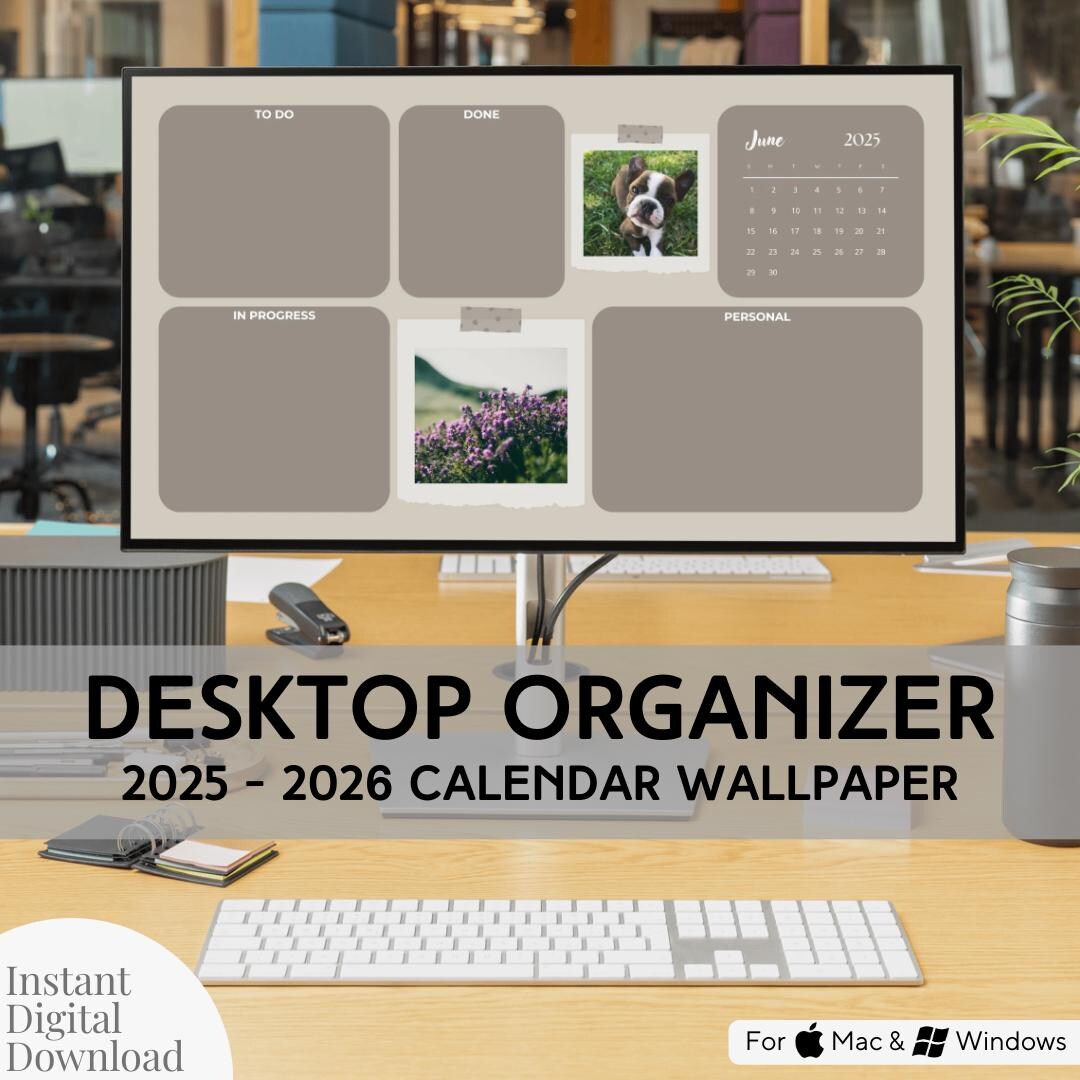
Top 5 Best Gaming Desktops Of 2026 Best Product Review Best Gaming Desktops . 12 Best All In One Desktop Computers In 2026 Tested Reviewed Best Business Desktop Computers 1024x576 . The Best Gaming PC Of 2026 Top Prebuilt Desktops Gaming Pc . 2026 Desktop Wallpaper Etsy Il Nrn8 . Desktop Wallpaper Organizer 2025 2026 Calendar Monthly Puppy Il 8wtd

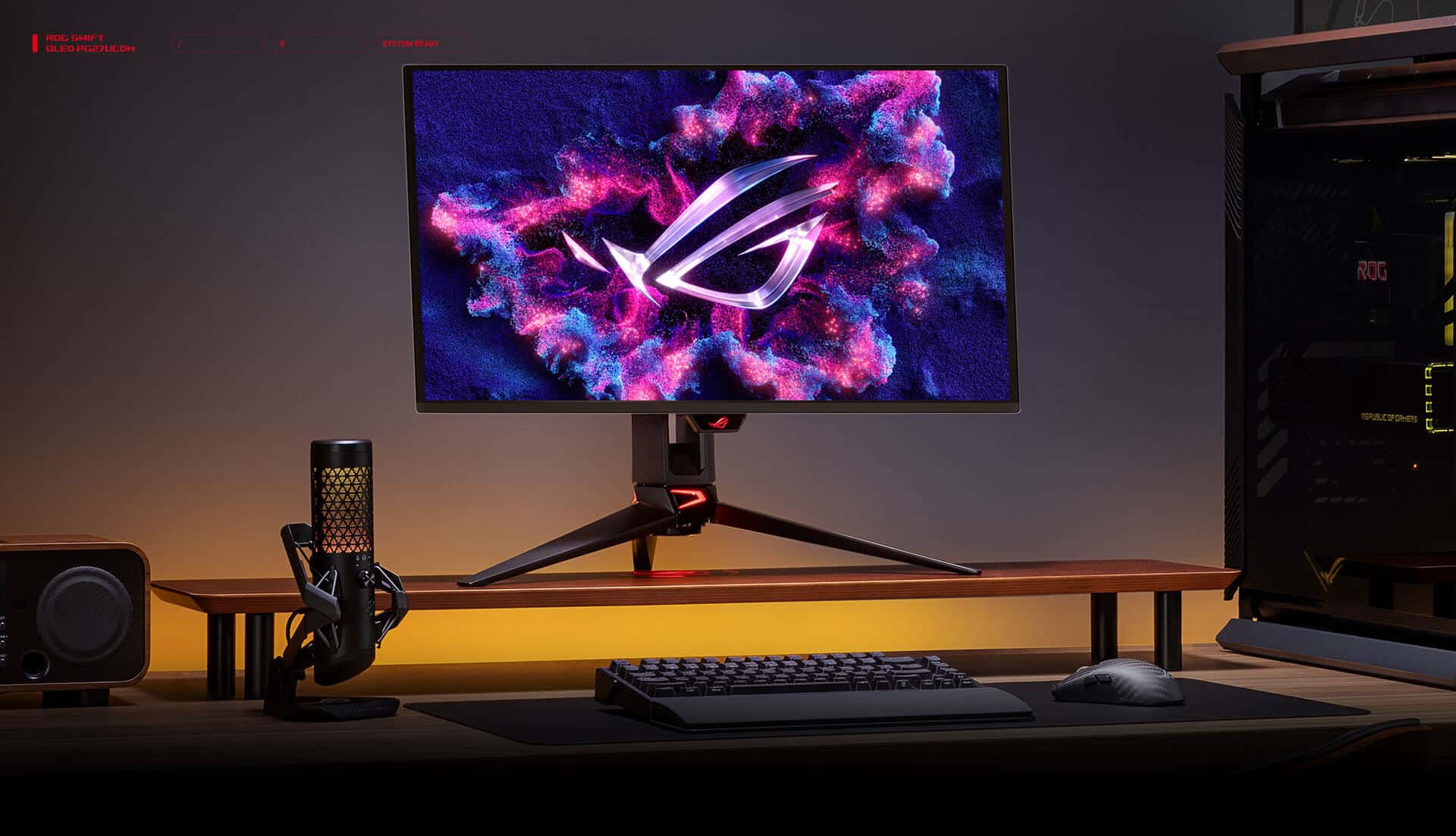



The Best Desktop For 2026 The Best Pcs Desktop Computers For 2025 As3x.640 . How To Upgrade Your Gaming PC 2026 Edition GadgetMates Bg Intro1 . 2026 Desktop Wallpaper Etsy Il 7id9 . Download 3d 2026 Digits 4k 2026 Concepts Red Technology Background Thumb2 3d 2026 Digits 4k 2026 Concepts Red Technology Background 2026 New Year . Download 2026 Wooden 3d Digits 2026 Concepts Mountain Landscape Thumb2 2026 Wooden 3d Digits 2026 Concepts Mountain Landscape Forest Happy New Year 2026




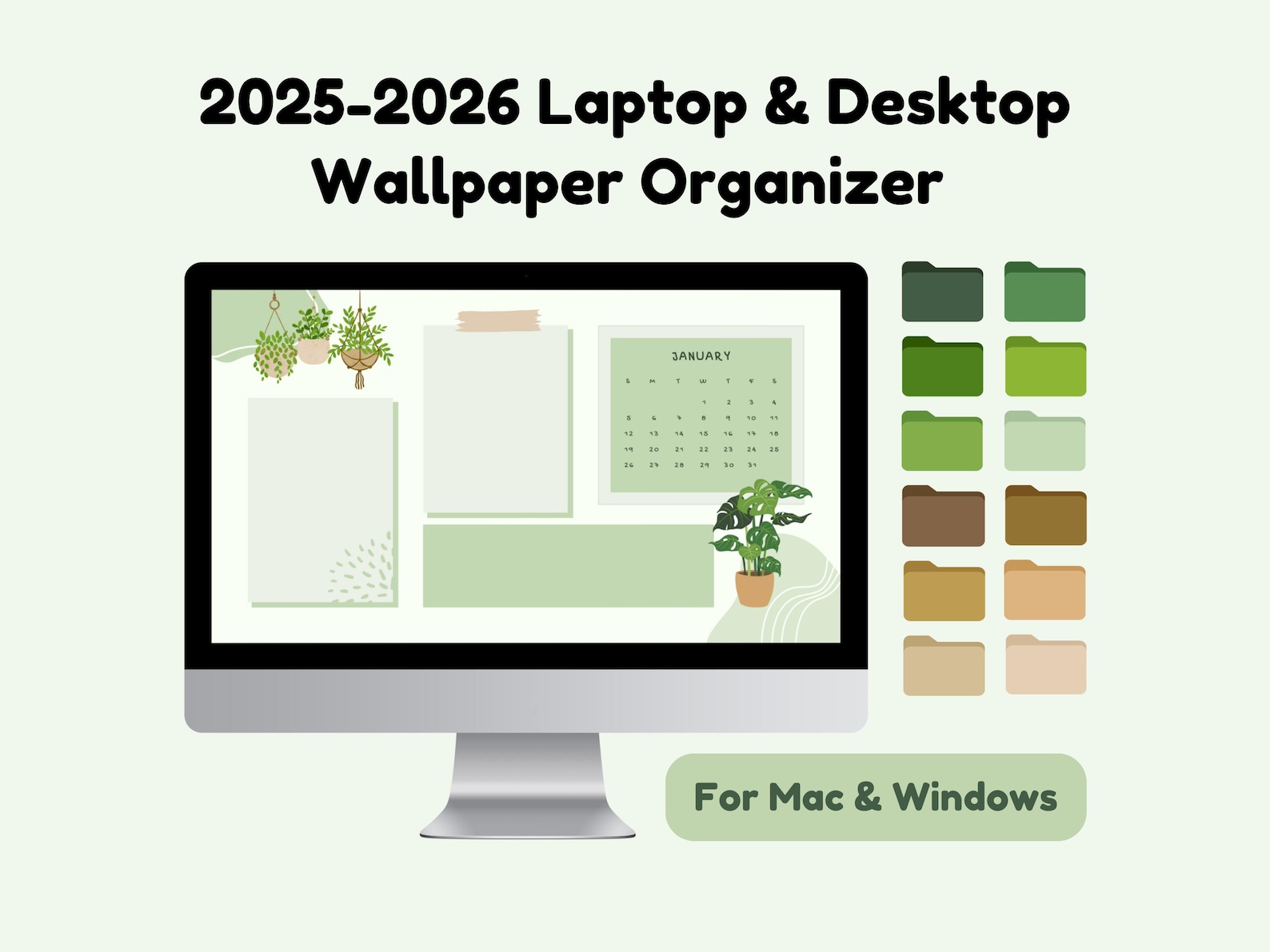
Download New Year 2026 4k 2026 3d Digits Made From Metal Purple Neon Thumb2 New Year 2026 4k 2026 3d Digits Made From Metal Purple Neon Lights 2026 3d Digits . 2026 Desktop Calendar EntheosWeb 2026 Full Year Space Themed Desktop Calendar 1 1024x536 . Download 4k 2026 Glitter Digits Darkness 2026 Concepts Colorful Thumb2 4k 2026 Glitter Digits Darkness 2026 Concepts Colorful Glare . 2026 EntheosWeb January 2026 Desktop 1 1024x536 . 2025 2026 Desktop Wallpaper Organizer Aesthetic Botanical Desktop Il Qf9p




Download 2026 New Year 4k Metal Polished Digits 2026 Concepts 2026 Thumb2 2026 New Year 4k Metal Polished Digits 2026 Concepts 2026 Year Background . Download 2026 3d Digits 4k Beach Background 2026 Summer 2026 New Thumb 2026 3d Digits 4k Beach Background 2026 Summer 2026 New Year . Download 2026 New Year 4k 3d 2026 Digits Blue Technology Background Thumb 2026 New Year 4k 3d 2026 Digits Blue Technology Background 2026 Technology Background . Happy New Year 2026 4K 8K 6695k Wallpaper 4K PC Happy New Year 2026 669@5@k. Happy New Year 2026 Wallpapers Thumbbig





2026 Wallpapers And Backgrounds Free HD Download 10 Thumbbig. Happy New Year 2026 Wallpapers Wallpaper Cave. 2026 New Year Desktop Wallpapers Wallpaper Cave Wp15593029 . 2026 New Year Wallpapers Wallpaper Cave Wp15593101 . 2026 Desktop New Year Wallpapers Wallpaper Cave Wp15593017





Happy New Year 2026 Wallpapers Wallpaper Cave. 2026 HD Wallpapers Wallpaper Cave Wp15804355 . Download 3d 2026 Silver Digits Black Technology Background 2026 Thumb 3d 2026 Silver Digits Black Technology Background 2026 Concepts Happy New Year 2026 . Download 2026 3d Digits 4k 2026 Concepts 2026 Metal Digits Green Thumb2 2026 3d Digits 4k 2026 Concepts 2026 Metal Digits Green Neon Lights . 2026 Happy New Year HD 4k Wallpapers Wallpaper Cave Wp16036295