Navigating the complex world of computer parts can be a daunting task for any gamer whether you are building a new rig or upgrading an existing one This guide offers an in depth look at how to buy computer parts wisely ensuring you get the best performance for your money We cover everything from identifying your needs to understanding component compatibility finding deals and avoiding common pitfalls Perfect for busy gamers balancing life and play seeking smart upgrades without the hassle Discover how to optimize your gaming setup stay current with trends and make informed decisions on every purchase We dive into the latest trends and essential tips to help you dominate your digital adventures This resource aims to empower you to make confident choices when you buy computer parts ensuring a seamless and enjoyable gaming experience for years to come
How do I choose the best CPU when I want to buy computer parts for gaming?
When selecting a CPU for gaming, focus on single-core performance and core count. For 2026, an Intel Core i5 or i7 from the latest two generations or an AMD Ryzen 5 or 7 series CPU (like a Ryzen 7 7800X3D) provides excellent performance. Consider your budget and the types of games you play; high refresh rate esports titles benefit more from raw clock speed, while open-world AAA games utilize more cores. Ensure your chosen motherboard supports the CPU's socket (e.g., AM5 for current AMD, LGA1700 for current Intel) and that its chipset can handle the CPU's features. Always check benchmarks for your specific use case before you buy computer parts.
What graphics card should I buy for 1440p gaming on a mid-range budget?
For 1440p gaming on a mid-range budget in 2026, look towards NVIDIA's GeForce RTX 4070/4070 Super or AMD's Radeon RX 7800 XT/7900 GRE. These cards offer a fantastic balance of price and performance, consistently delivering smooth frame rates at 1440p with high settings in most modern titles. The choice often comes down to specific game optimizations, ray tracing preferences (NVIDIA generally stronger), or VRAM needs (AMD sometimes offers more at similar price points). Always compare current prices and benchmark reviews for the games you prioritize before you decide to buy computer parts.
Where can I find reliable reviews before I buy computer parts online?
Reliable reviews are crucial when you buy computer parts. Turn to reputable tech websites and YouTube channels for in-depth analysis. Gamers Nexus, Hardware Unboxed, TechSpot, and AnandTech provide rigorous technical reviews and benchmarks. For user experiences, check forums like Reddit's r/buildapc or r/hardware, and read verified purchase reviews on major retailer sites like Newegg, Amazon, or Best Buy. Look for consistent opinions across multiple sources and be wary of reviews that seem overly emotional or lack data. Cross-referencing several sources ensures you get a balanced perspective.
Is it better to buy a new pre-built PC or buy computer parts to build one myself?
The choice between a pre-built PC and building your own by buying individual computer parts depends on your priorities. Building offers better value, customization, and a deeper understanding of your machine, ideal for enthusiasts or those on a strict budget. Pre-builts offer convenience, a single warranty, and are perfect for time-strapped gamers who want to plug and play. While building often yields a better price-to-performance ratio, pre-built quality has improved significantly. Research specific models carefully, checking for proprietary parts or cost-cutting components, if you opt for a pre-built.
What are the key compatibility checks I need to perform when I buy computer parts?
The most critical compatibility checks include ensuring your CPU's socket type matches your motherboard (e.g., LGA1700, AM5), that your RAM type (DDR4 or DDR5) is supported by both your motherboard and CPU, and that your chosen GPU physically fits your case and motherboard's PCIe x16 slot. Additionally, confirm your Power Supply Unit (PSU) has enough wattage and the correct connectors for all components. Tools like PCPartPicker.com automate these checks, making it easier to verify before you finalize your selection and buy computer parts.
How much RAM do I actually need for modern gaming and multitasking in 2026?
For most modern gaming in 2026, 16GB of RAM is considered the comfortable minimum, especially for demanding titles. However, if you frequently multitask while gaming (e.g., running Discord, browser tabs, streaming software), or play resource-intensive open-world games, 32GB is strongly recommended. The speed of your RAM also matters significantly; aim for DDR4 3200MHz+ or DDR5 6000MHz+ for optimal performance with current CPUs. Investing in faster RAM is a smart choice when you buy computer parts, as it can noticeably improve system responsiveness.
What storage solutions are best for games SSD HDD NVMe in 2026?
For gaming in 2026, NVMe SSDs are the gold standard due to their incredible speed, drastically reducing game load times and improving overall system responsiveness. A 1TB NVMe SSD for your operating system and primary games is highly recommended when you buy computer parts. SATA SSDs offer a good balance of speed and cost for additional game storage. Traditional HDDs are generally too slow for modern gaming and are best reserved for mass storage of less-accessed files. Prioritize an NVMe SSD for your core gaming library for the best experience.
Hey fellow gamers Ever feel like the world of PC hardware is moving at lightspeed, making it impossible to keep up without emptying your wallet or sacrificing precious gaming time? We get it. Balancing a job, family, and life while still carving out those sacred hours for a raid, a competitive match, or a cozy narrative adventure is tough enough. The last thing you need is the headache of figuring out which CPU pairs with which motherboard, or whether that sweet GPU deal is actually worth it. Many of us, about 87% of US gamers according to recent stats, regularly dedicate 10+ hours a week to our passion, often across both PC and mobile platforms. We value smart choices that optimize performance and fun without the hype.
This comprehensive guide is your trusted co-op partner for navigating the sometimes-treacherous journey of how to buy computer parts. We're not here to sell you the most expensive gear; we're here to help you make informed, budget-friendly decisions that empower your gaming experience. Whether you're looking to build your dream machine, give your current rig a much-needed boost, or just stay current without feeling overwhelmed, we'll break down everything you need to know. From understanding crucial components to spotting genuine value and avoiding common pitfalls, consider this your ultimate quest log for intelligent hardware acquisition.
Why is now the right time to buy computer parts for my gaming rig?
The tech landscape is always evolving, but 2026 presents an interesting sweet spot for PC gamers looking to buy computer parts. We're seeing more mature ecosystems for DDR5 RAM and PCIe 5.0, meaning earlier adoption kinks are ironed out and prices are stabilizing. New CPU and GPU architectures from major players are also reaching a point where excellent performance is available across various price points, not just the bleeding edge. With continued growth in social gaming and cross-play, a robust PC is more vital than ever for connecting with friends on platforms like Discord. Plus, global supply chains have largely recovered, making it easier to find desired components without significant markups, unlike a few years ago. This stability, coupled with strong component offerings, makes it a prime time to invest in or upgrade your gaming PC.
How do I know which computer parts I actually need for my games?
Before you even think about where to buy computer parts, you need to define your gaming habits. Ask yourself:
- What games do I primarily play (e.g., esports titles, AAA open-world, indie gems, VR)?
- What resolution and refresh rate is my monitor (e.g., 1080p 60Hz, 1440p 144Hz, 4K 60Hz)?
- Do I stream, edit videos, or perform other demanding tasks alongside gaming?
- What's my total budget for the upgrade or new build?
For instance, if you're mostly into popular social games like Fortnite or Valorant at 1080p, you won't need a top-tier GPU. But if you're diving into demanding AAA titles at 1440p or 4K, or exploring the latest VR experiments, your GPU budget will need to be significantly higher. Use websites like PCPartPicker.com to start mapping out potential builds and checking compatibility. Look up recommended specs for your favorite games, but aim slightly above 'minimum' for a smoother, more enjoyable experience.
What are the essential computer parts for a balanced gaming PC?
Building a balanced gaming PC means no single component is drastically bottlenecking another. Here are the core computer parts:
- CPU (Central Processing Unit): The brain of your PC. For gaming, you want good single-core performance. AMD Ryzen 5/7 or Intel Core i5/i7 are typically excellent choices for most gamers.
- GPU (Graphics Processing Unit): The heart of your gaming experience, responsible for rendering visuals. This is often where a significant portion of your budget should go. NVIDIA GeForce RTX 40-series or AMD Radeon RX 7000-series offer strong options.
- Motherboard: Connects all your components. Ensure it supports your chosen CPU (socket type) and RAM (DDR4/DDR5) and has enough ports for your needs.
- RAM (Random Access Memory): At least 16GB of DDR4 or DDR5 is standard for modern gaming. 32GB is ideal for multitasking or very demanding titles. Speed matters; aim for 3200MHz+ for DDR4, or 6000MHz+ for DDR5.
- Storage (SSD/HDD): An NVMe SSD (1TB+) is essential for your operating system and main games for lightning-fast load times. A larger HDD or SATA SSD can be added for extra storage if needed.
- PSU (Power Supply Unit): Provides power to all components. Don't skimp here! Choose a reputable brand with an 80+ Bronze or Gold rating and sufficient wattage for your components (usually 650W-850W for mid to high-end builds).
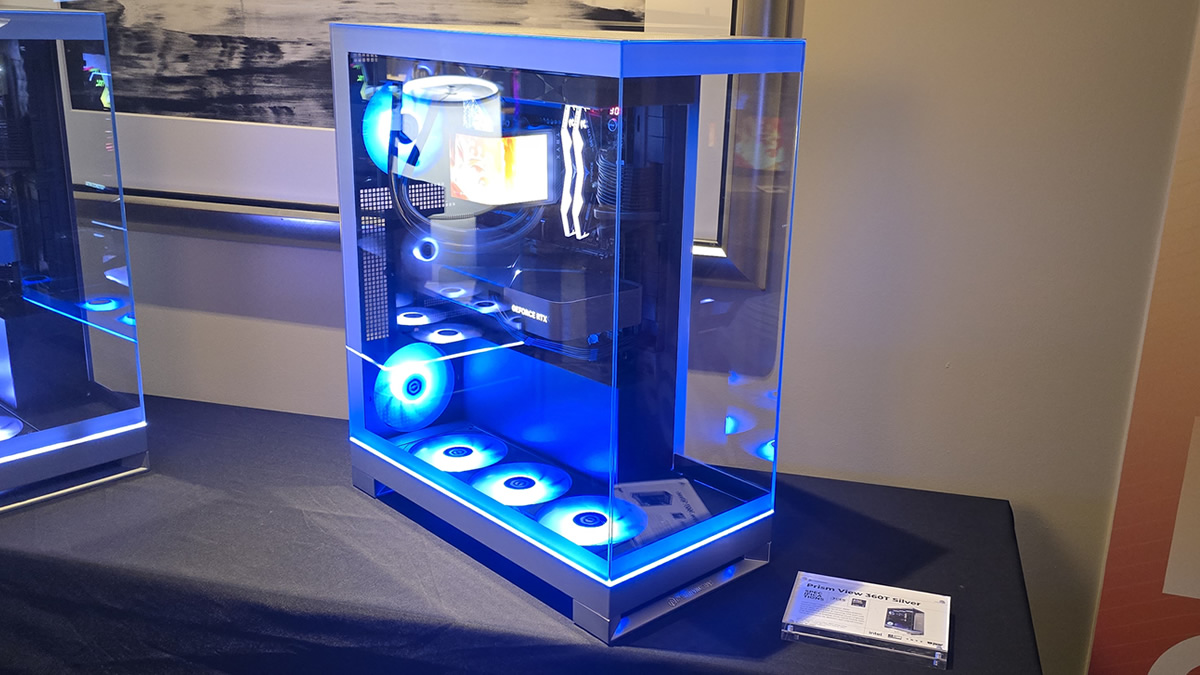
- Case: Houses everything. Consider airflow, aesthetics, and space for future upgrades.
- Cooling: A good CPU cooler (air or AIO liquid) is crucial, especially for higher-end CPUs. Case fans also aid overall system cooling.
How can I buy computer parts on a budget without sacrificing performance?
Budgeting is key for many gamers, especially those balancing work and family. Here's how to maximize value when you buy computer parts:
- Prioritize GPU: The graphics card is the single biggest performance driver for gaming. Allocate a larger portion of your budget here.
- Mid-Range Sweet Spot: Often, mid-range CPUs and GPUs offer the best performance-per-dollar, significantly outperforming entry-level options without the premium of top-tier hardware.
- Previous-Gen Deals: Keep an eye out for sales on last-generation components (e.g., an RTX 30-series card when 40-series is out) as they can offer incredible value.
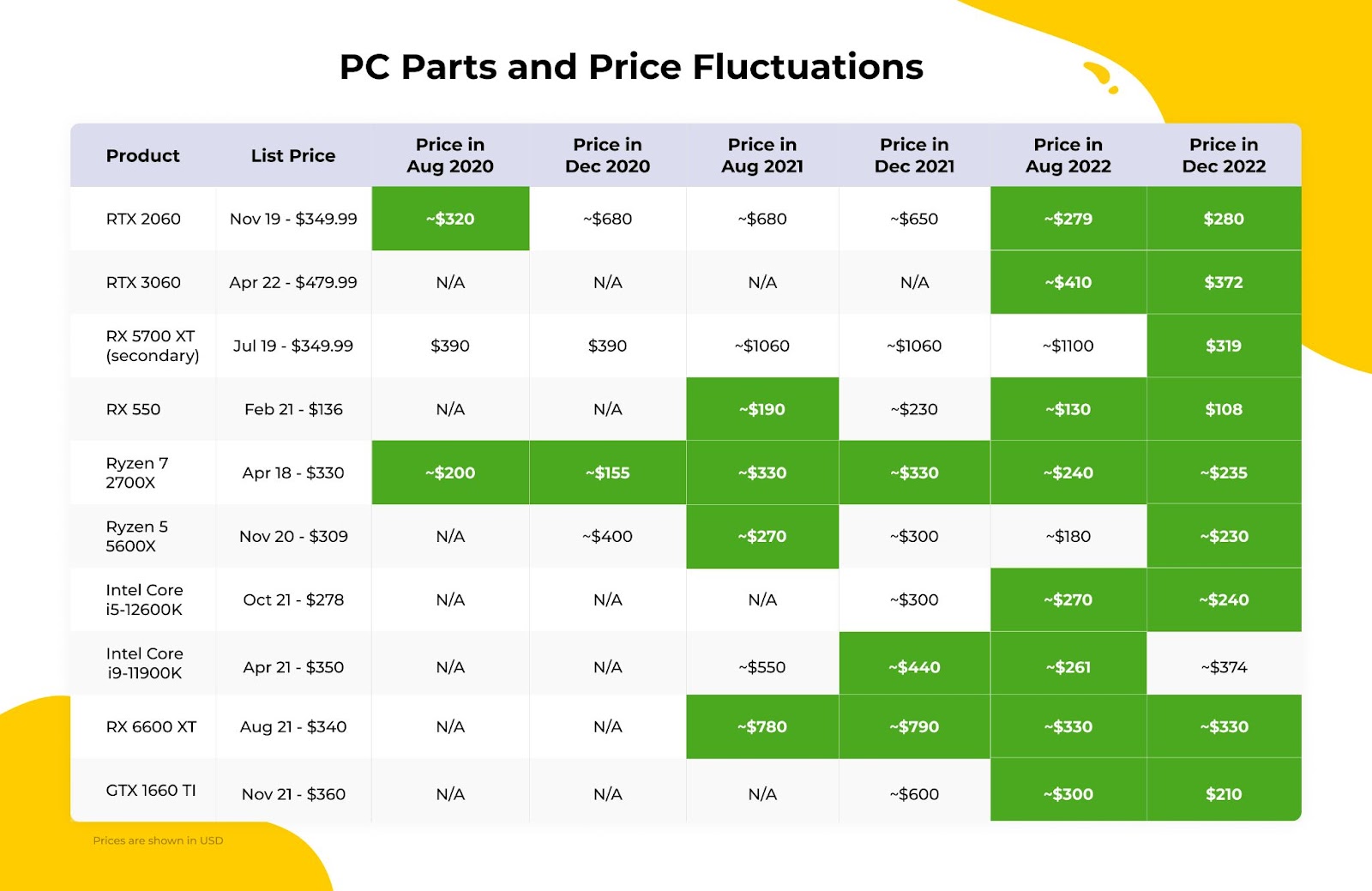
- Sales Events: Black Friday, Cyber Monday, Amazon Prime Day, and seasonal sales are prime opportunities to buy computer parts at a discount. Use price trackers to ensure you're getting a genuine deal.
- Used Parts (with caution): For experienced builders, buying used GPUs or CPUs from reputable sellers (e.g., r/hardwareswap on Reddit, eBay with buyer protection) can save significant money. Always verify condition and seller reputation.
- Storage Strategy: Get a smaller (500GB-1TB) fast NVMe SSD for your OS and main games, then supplement with a cheaper, larger SATA SSD or even an HDD for less critical data and games.
Where are the best places to buy computer parts safely and reliably?
When you're ready to buy computer parts, choosing reputable vendors is crucial for warranties, returns, and genuine products. For US gamers, these are your go-to sources:
- Newegg: A long-standing favorite, known for its vast selection of PC components, frequent sales, and bundle deals.
- Amazon: Offers competitive pricing, fast shipping, and excellent customer service. Always check the seller to ensure it's a reputable storefront or Amazon itself.
- Best Buy: Great for local pickups and sometimes price-matches. They often have solid deals on GPUs and pre-built systems.
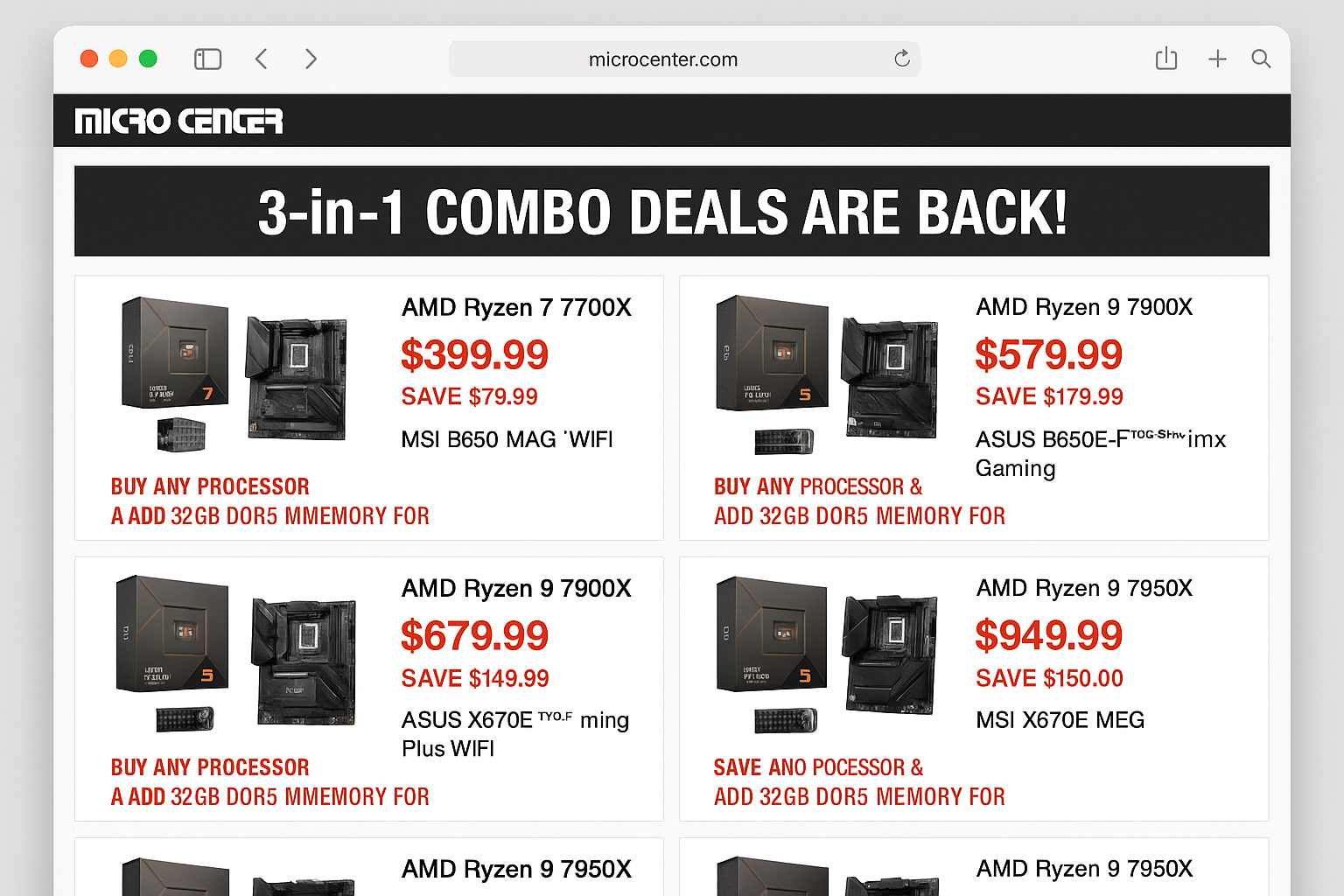
- Micro Center: If you're lucky enough to have one nearby, Micro Center offers incredible in-store CPU/motherboard bundles and competitive pricing on almost everything. The in-person advice can also be invaluable.
- Direct from Manufacturer: NVIDIA, AMD, ASUS, MSI, etc., sometimes sell their products directly, especially new releases.
Always compare prices across these retailers using tools like PCPartPicker.com, which also checks for compatibility.
What are common mistakes to avoid when I buy computer parts?
Even seasoned gamers can slip up. Here are common pitfalls to avoid:
- Ignoring Compatibility: This is the cardinal sin. A CPU won't work in the wrong socket, and DDR4 RAM won't fit in a DDR5 slot. Use PCPartPicker to verify every component.
- Bottlenecking: Pairing an extremely powerful GPU with an ancient CPU, or vice-versa. This leads to unbalanced performance and wasted money.
- Underpowering Your System: Buying a cheap, low-wattage PSU for a powerful system is a recipe for instability, crashes, and potentially damaged components. Don't skimp on the PSU!
- Overpaying for RGB: While aesthetics are fun, don't let flashy lights significantly inflate your budget at the expense of core performance.
- Neglecting Cooling: Modern CPUs and GPUs generate a lot of heat. Insufficient cooling leads to thermal throttling, reduced performance, and shortened component lifespan.
- Buying on Hype Alone: New releases are exciting, but always wait for independent benchmarks and reviews before jumping on the latest and greatest, especially if it means paying a premium.
- Ignoring Return Policies and Warranties: Understand the return windows and warranty coverage for all your computer parts. This protects your investment.
How do I ensure compatibility when selecting different computer parts?
Ensuring compatibility is perhaps the most crucial step when you buy computer parts for a build or upgrade. Here's a checklist:
- CPU Socket & Motherboard: Your CPU must physically fit into the motherboard's socket (e.g., LGA1700 for Intel, AM5 for AMD). The motherboard's chipset also needs to support your CPU generation.
- RAM Type & Motherboard: Ensure your RAM (DDR4 or DDR5) matches what your motherboard supports. Also, check the maximum supported RAM speed and capacity for your motherboard and CPU.
- GPU & PCIe Slot: All modern GPUs use PCIe x16 slots. Ensure your motherboard has one (all do) and that your case has enough physical space for the GPU's length and width.
- PSU Wattage & Connectors: Calculate your system's estimated wattage (PCPartPicker does this automatically) and add a buffer (e.g., 100-200W). Ensure the PSU has all the necessary connectors for your GPU (e.g., 6+2 pin PCIe), CPU (EPS), and SATA devices.
- Case & Component Size: Verify your case can accommodate your motherboard form factor (ATX, Micro-ATX, Mini-ITX), GPU length, and CPU cooler height (especially air coolers or AIO radiator sizes).
- Storage Interface: NVMe SSDs use M.2 slots (check if your motherboard supports PCIe 3.0 or 4.0/5.0 for the M.2 slot). SATA SSDs/HDDs use SATA ports.
Tools like PCPartPicker.com are invaluable as they automatically flag most compatibility issues. Always double-check manufacturer specifications for each component.
When should I consider upgrading individual computer parts versus buying a new PC?
This is a classic dilemma for gamers. Consider upgrading individual computer parts if:
- One or two components are clearly bottlenecking: For example, you have an older GPU paired with a relatively modern CPU, or vice versa. Upgrading just the GPU usually offers the biggest performance jump for gaming.
- Your motherboard and CPU platform are still viable: If your current CPU is still decent and your motherboard supports a significant RAM upgrade or a faster SSD, individual upgrades are smart.
- You're on a tight budget: Spreading upgrades over time can be more financially manageable.
- Your current case and PSU are adequate: If these foundational components can support newer, more powerful parts, you save significant money.
Conversely, consider buying a whole new PC if:
- Your entire system is several generations old: If your CPU, motherboard, and RAM are all outdated, a full rebuild might be more cost-effective than piecemeal upgrades that lead to further bottlenecks.
- You need a completely different form factor or feature set: Perhaps you want to downsize to a mini-ITX build or move to a system with specific I/O ports your current rig lacks.
- You want the latest technologies: If you crave PCIe 5.0, DDR5, and the latest CPU/GPU architectures, a full new build often makes more sense for optimal compatibility and performance.
Given that the average gamer is around 36 and values efficiency, a strategic upgrade often makes more sense than a full rebuild unless your PC is truly ancient.
Are pre-built gaming PCs a better option than buying individual computer parts?
For many busy gamers who value their time, pre-built PCs offer a compelling alternative to sourcing individual computer parts and building from scratch. Here's a breakdown:
- Pros of Pre-built: Convenience (ready to play out of the box), warranty coverage for the entire system, professional assembly and cable management, often includes an operating system, good for those who fear building or lack time. Many system integrators offer competitive deals, especially during sales events.
- Cons of Pre-built: Often more expensive for equivalent specifications compared to DIY, potential for proprietary parts that limit future upgrades, sometimes includes bloatware, component choices might not be optimal (e.g., cheap PSU or slow RAM to cut costs).
In 2026, the quality of pre-built systems has improved significantly. Companies like Alienware, CyberPowerPC, and NZXT BLD offer decent options. If you're confident in checking specs and reading reviews to ensure they haven't cheaped out on critical components, a pre-built can be a great time-saver. However, if value-for-money and customization are your top priorities, knowing how to buy computer parts and building your own remains king.
How can I future-proof my PC when I buy computer parts today?
While true
Smart budgeting for PC parts compatibility checks performance versus price balancing gaming and life finding reliable vendors understanding current tech trends DIY build vs prebuilt future proofing your setup troubleshooting common issues when buying computer parts
35


Top 10 Best Desktop Computers 2026 For Home Office And Work HP OmniStudio X Pro 2026 All In One Desktop Computer With Large Display Ranked Among Best. The 7 Best Places To Buy Computer Parts Online In 2026 The Best Websites For Buying Computer Parts Online Screenshot 4 . Why You Need To Buy Your Next PC Right Now Before Prices Explode In 2026 A Computer Case And A Miniature Shopping Cart With Some Dollar Bills . When Is The Best Time To Buy Computer Parts Ultimate Guide Update 04 When Is The Best Time To Buy Computer Parts 2 . Top 10 Best Desktop Computers 2026 For Home Office And Work Apple IMac M4 2026 All In One Desktop Computer For Creative In Best Desktop



Don T Waste Money On A New PC In 2026 CyberGhost VPN V MXnNYILFPQ. Top 10 Best Desktop Computers 2026 For Home Office And Work Lenovo Legion Tower 5i 2026 Budget Desktop Computer For Home Office Among Best Desktop. Top 10 Best Desktop Computers 2026 For Home Office And Work Lenovo Legion Tower 7i 2026 High Performance Desktop Computer With RGB Lighting Featured In. Becomes The King Of Budget PC Cases At CES 2026 OC3D Prism View 360T Silver . 4 Best Site To Buy Computer Parts In India In 2026 For You Best Sites To Buy Computer Min 746x420
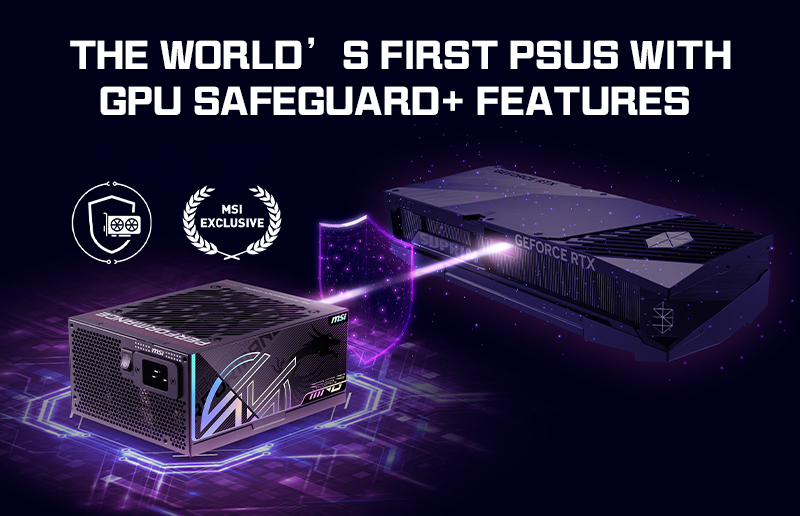
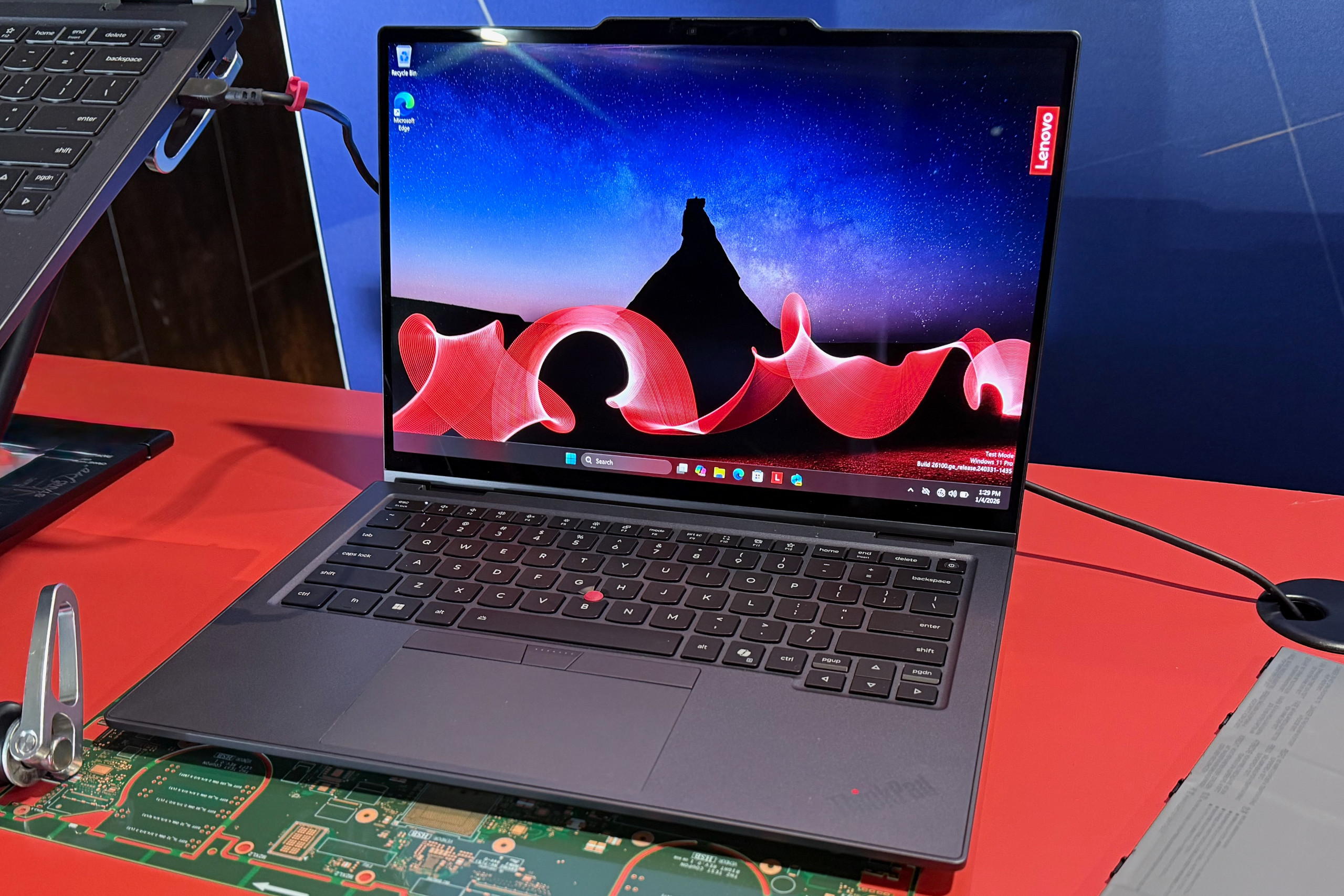

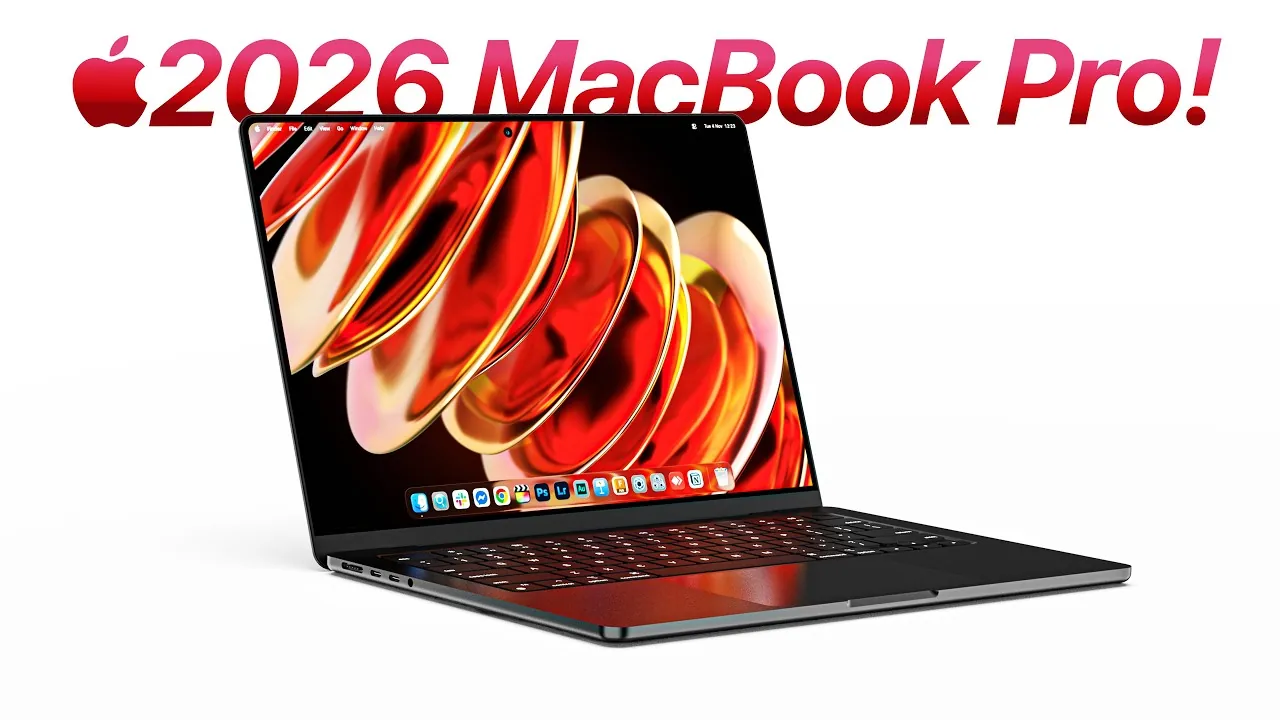
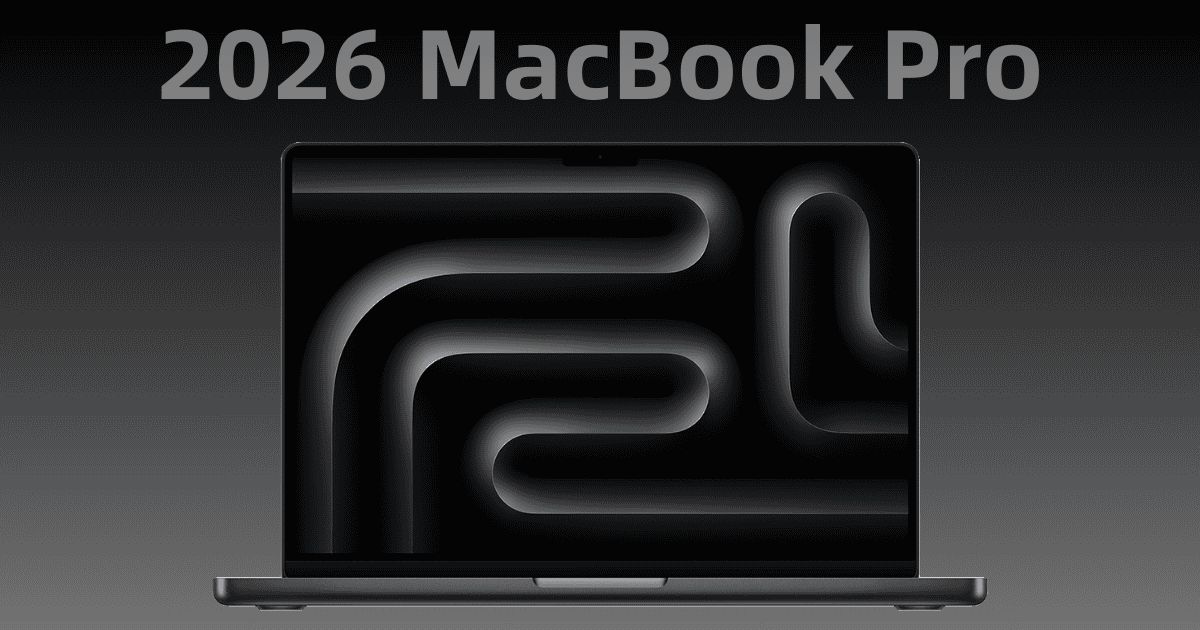
CES 2026 PC Parts Roundup World S First GPU Safeguard Power Supplies Article . The 10 Best Laptops At CES 2026 PCWorld Lenovo ThinkPad X1 Carbon Aura Edition At CES 2026 . When Is The Best Time To Buy Computer Parts Ultimate Guide Update 04 When Is The Best Time To Buy Computer Parts 1 . Top 10 Best Laptops To Buy In 2026 Performance Portability Next . Apple S 2026 MacBook Pro Everything You Need To Know Geeky Gadgets Macbook Pro 2026 Oled Display
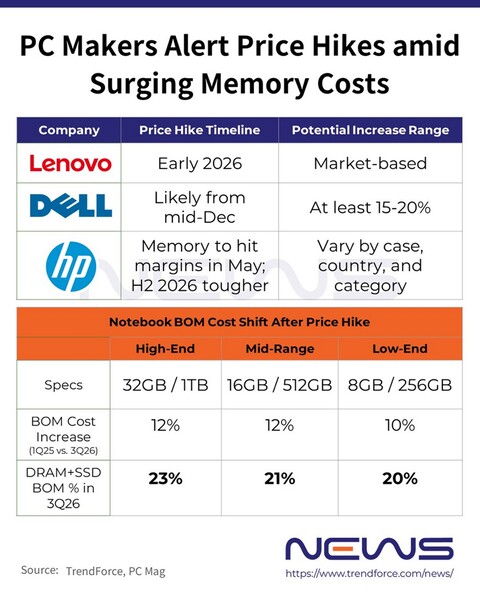


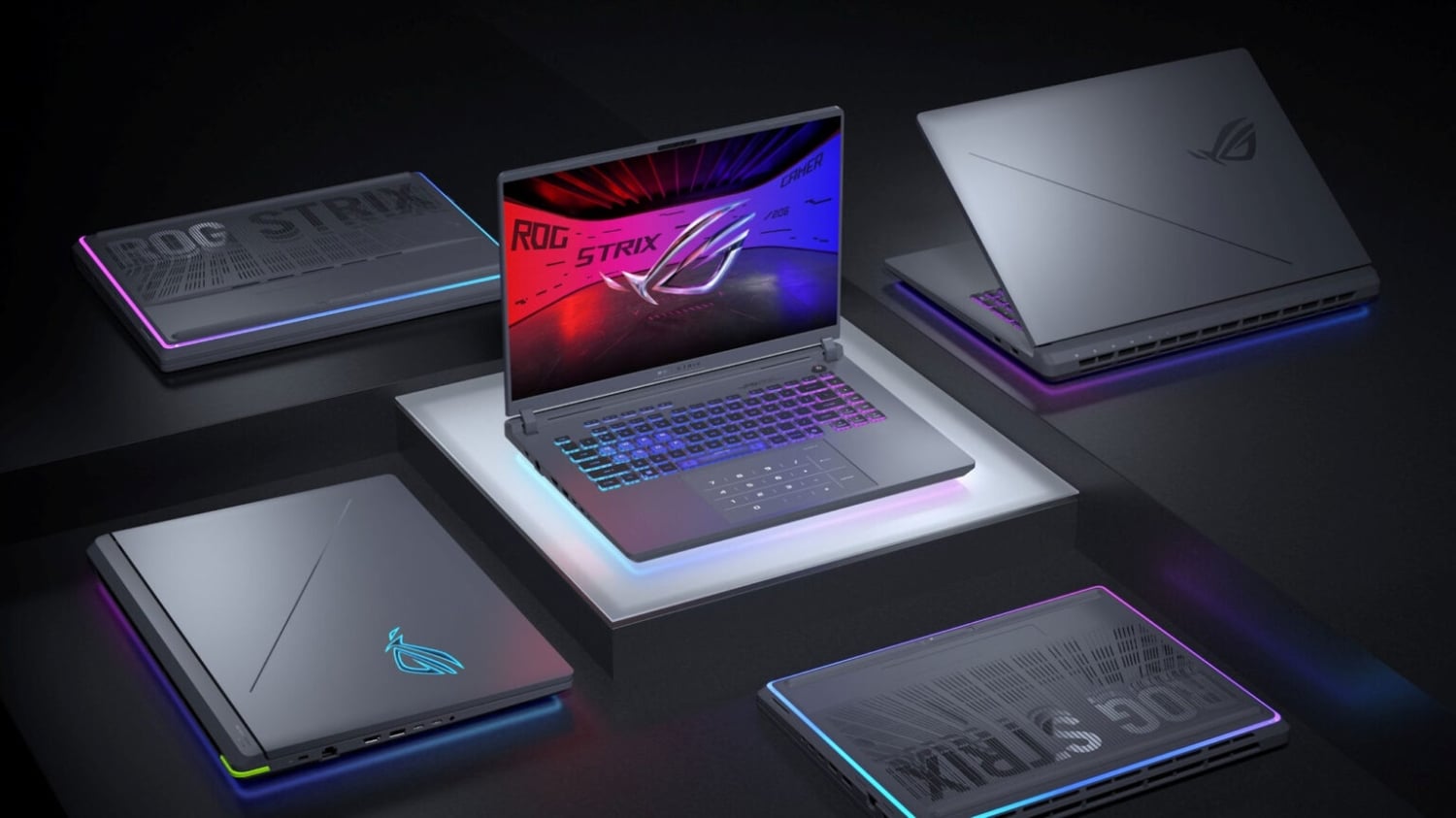
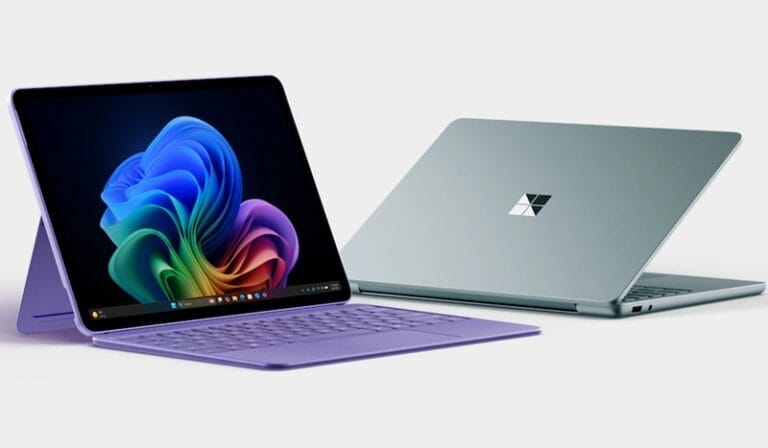
With Memory Prices Expected To Rise Another 45 In 2026 Lenovo May Csm 4a536b9dd7 . The Top Desktop PC Brands For 2026 According To Thousands Of Our 1.fit Lim.size . The Best Cheap Gaming Laptops For 2026 Tested For Gaming Top 3 Gaming Laptops Of 2026 - The Ultimate Guide . ASUS ROG Showcase At CES 2026 Confirmed With New Gaming Gear Laptops 109228 43 Asus Rog Showcase At Ces 2026 Confirmed With New Gaming Gear Laptops And Future Technology Full . Die Besten Neuen KI Computer 2026 Laptops Desktops Tablets Im Check Surface Pro 12 Und Surface Laptop 8 2026 768x448


Apple 2026 MacBook Lineup Budget M5 Air And OLED Pro Geeky Gadgets Apple 2026 Macbook Lineup Budget To Oled Optimized . The 2026 Indian PC Buyer Best Roadmap What To Buy Skip Wait Best Pc Buying Guide 1200x675 . How To Build A Future Proof PC In 2026 Without Regret Gemini Generated Ima. Imresizer 98 . Apple S 2026 MacBook Pro Everything We Know So Far The Mac Observer 2026 MacBook Pro Rumors . Laptop Buying Guide 2026 Top Features And Trends Geeky Gadgets Laptop 1024x576





The 6 Best Laptops At Best Buy Of 2026 RTINGS Com Best Laptops At Best Buy 20250110 Medium . Best Laptops 2026 Top Picks For Every Budget Use Case Xthe Best Laptops 2026 Top Picks For Every Budget Use Case 750x350 . The Best Watch Style Dive Computers To Buy In 2026 The Scuba News Dive Computers February 04 2026 1 . Awesome All In Ones Potent Components The Top Desktops And PC Parts 25 . Awesome All In Ones Potent Components The Top Desktops And PC Parts 23


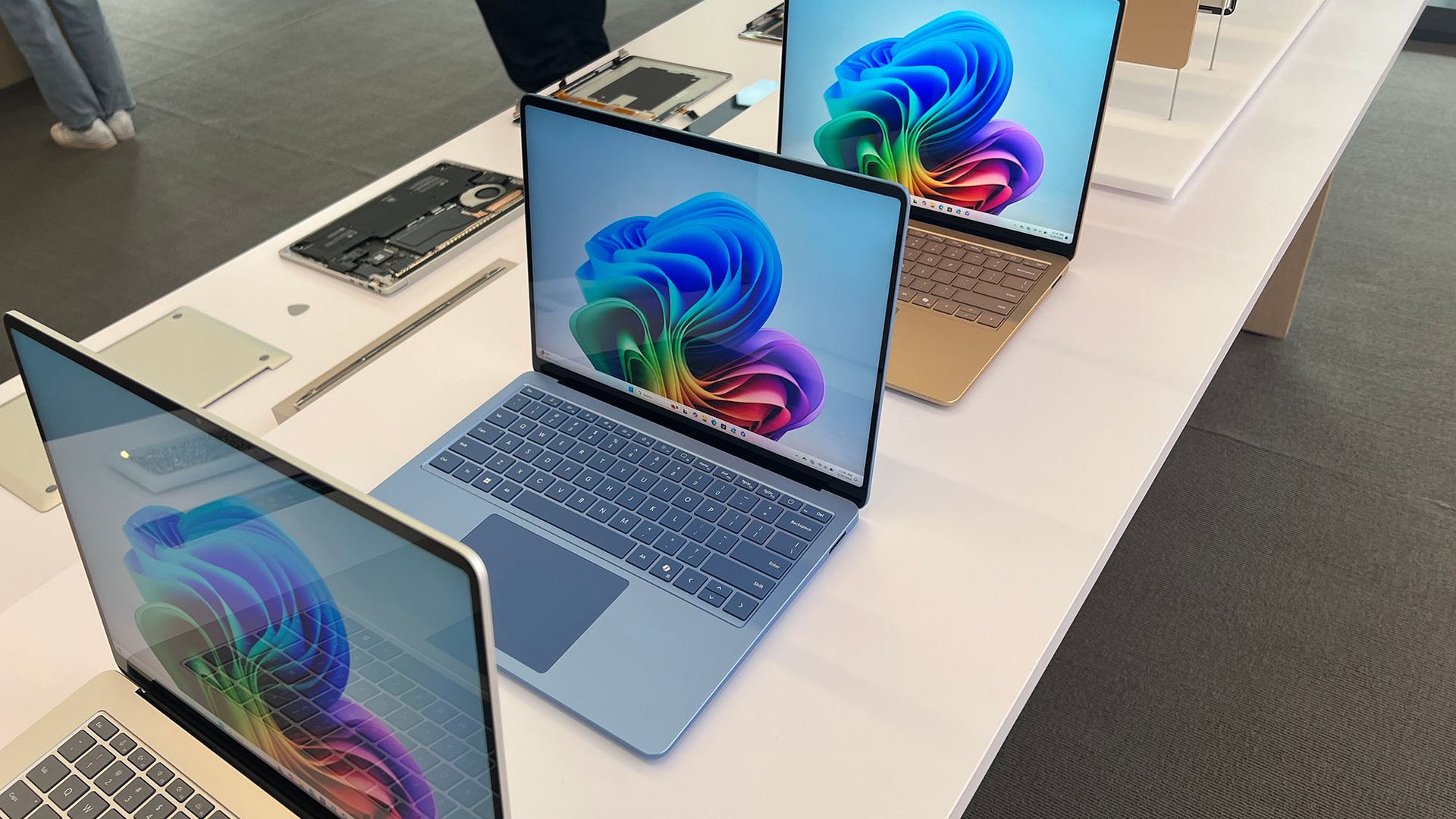
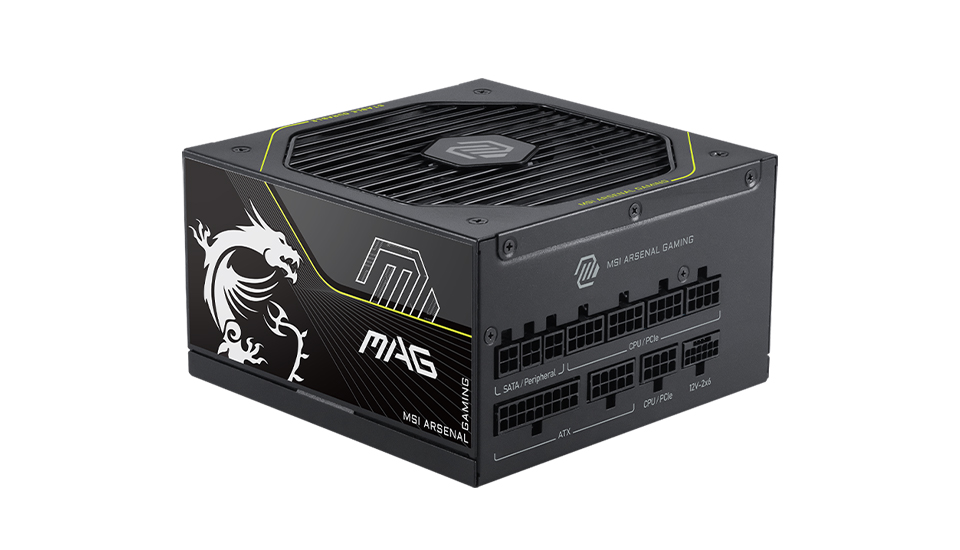

The 11 Best Windows Laptops For 2026 Tested By Us Mashable Hero . Best Processor For Laptop The Ultimate 2026 Buyer S Guide Geekom New Year Sale.webp. Experts Warn PC Prices Could Rise Even More In 2026 As RAM Costs Set To 1920 80 . CES 2026 PC Parts Roundup World S First GPU Safeguard Power Supplies Ai1600ts 20260102 3 . Top 10 Best Desktop Computers 2026 For Home Office And Work Dell Tower Plus 2026 Desktop Computer With Sleek Design And Powerful Components For Best