Navigating the deep blue can be an incredibly immersive and relaxing escape for many gamers, especially those juggling busy lives. But when it comes to underwater exploration and adventure, two titles often surface in discussions Beyond Blue and Subnautica. This comprehensive guide dives headfirst into comparing these distinct aquatic experiences. Are you seeking a serene, educational journey documenting marine life, or do you crave a thrilling survival challenge fraught with alien dangers and resource management? We understand that your gaming time is precious, and choosing the right game means finding one that truly aligns with your mood, availability, and preferred playstyle. This article will meticulously break down gameplay mechanics, narrative focus, visual fidelity, and overall replayability to help you make an informed decision. Discover which title offers the optimal blend of relaxation, engagement, or adrenaline to suit your specific gaming needs, ensuring your next underwater dive is exactly what you hoped for without wasting a single precious minute or dollar. We aim to cut through the hype and provide practical insights for real gamers.
Q1: What are the fundamental differences between Beyond Blue and Subnautica
Beyond Blue is a single-player narrative adventure that immerses you in the role of Mirai a deep-sea explorer and scientist documenting marine life. It emphasizes exploration discovery and ecological education offering a tranquil and contemplative experience. Subnautica on the other hand is an open-world survival adventure game where you crash-land on an alien ocean planet. It combines exploration with crafting base building resource management and elements of survival horror challenging players to overcome hostile environments and creatures. The key distinction lies in their core mechanics Beyond Blue is about observation and discovery while Subnautica is about survival and overcoming threats.
Q2: Which game is more relaxing for busy gamers Beyond Blue or Subnautica
For gamers looking to unwind after a long day Beyond Blue is generally the more relaxing choice. Its slower pace focus on non-combat exploration and beautiful serene underwater environments provide a peaceful escape. There are no immediate threats or resource pressures allowing you to explore at your leisure and soak in the educational elements. Subnautica while visually stunning introduces survival mechanics like hunger thirst and oxygen management along with formidable alien predators which can be quite stressful and demand constant attention making it less ideal for pure relaxation. Many adult gamers, often balancing work and family, find Beyond Blue’s calm gameplay a perfect decompression tool.
Q3: Does Subnautica have jump scares or horror elements compared to Beyond Blue
Yes Subnautica certainly features elements that can induce jump scares and significant psychological horror. Its deep dark unexplored biomes are home to large predatory creatures like the Reaper Leviathan whose sudden appearances and terrifying roars are designed to startle and instill fear. The isolation and vulnerability you feel in the vast alien ocean contribute heavily to its horror atmosphere. Beyond Blue is entirely devoid of such elements. Its marine life is presented scientifically and peacefully ensuring a stress-free experience. If you prefer a game without terrifying encounters Beyond Blue is your sanctuary.
Q4: What about replayability and content length Beyond Blue vs Subnautica
Subnautica generally offers significantly more replayability and content length due to its open-world nature extensive crafting system and multiple potential paths for base building and exploration. Players can spend hundreds of hours discovering all its secrets building elaborate bases and experimenting with different strategies. Beyond Blue while rich in its narrative and beautiful to explore is a more linear experience. Its story can be completed in around 4-6 hours with some additional time for full marine life documentation. While it offers a fulfilling single playthrough its replay value is primarily for re-experiencing the story or finding missed observations rather than new gameplay loops.
Q5: Which game is better for players on a budget and with limited gaming time
For players on a budget both games often go on sale so it depends on current deals. However for those with limited gaming time the choice becomes clearer. Beyond Blue with its shorter focused narrative is excellent for gamers who can only dedicate an hour or two at a time. You can make significant progress in a single session without feeling overwhelmed. Subnautica while rewarding requires a more substantial time investment per session to manage survival needs and explore effectively. If you frequently find yourself needing to stop and restart Subnautica's survival mechanics might feel like a chore rather than fun. Many US gamers, playing around 10 hours a week, prioritize experiences they can fully enjoy in shorter bursts.
Q6: How do the exploration mechanics differ in Beyond Blue and Subnautica
In Beyond Blue exploration is guided by your scientific mission to scan and document marine life and uncover anomalies. You navigate using an advanced diving suit and submersibles designed for observation and gentle interaction. The focus is on discovery and cataloging rather than resource gathering. Subnautica's exploration is driven by survival and curiosity. You start with basic gear and progressively craft better vehicles and tools to delve deeper and uncover the alien planet's mysteries. Exploration is often dangerous requiring careful planning resource management and evasion of predators. The sense of progression through crafting is central to Subnautica's exploration loop.
Q7: Can I play Beyond Blue or Subnautica with friends for a social gaming experience
Neither Beyond Blue nor Subnautica offers a multiplayer or social co-op experience. Both are designed as immersive single-player adventures where the player is meant to experience the isolation and wonder of the deep ocean firsthand. For gamers who prioritize social play or want to game with friends these titles are not suitable. However the narrative and discovery elements in both can certainly be discussed with friends afterward fostering a different kind of social engagement. Many gamers share their unique discoveries or scary encounters from Subnautica on platforms like Discord or during casual chats.
Hey fellow gamers! Ever find yourself scrolling through game libraries after a long day, searching for that perfect escape? You know, the one that fits into your busy schedule, offers genuine fun, and maybe even a dash of relaxation or skill-building without all the hype? For many of us, balancing work, family, and life means our gaming time is precious. We're not just looking for "the next big thing" but genuinely good experiences that deliver value. And when it comes to deep-sea adventures, two names often bubble to the surface: Beyond Blue and Subnautica. But which one truly deserves your limited time and hard-earned cash in 2026? As an impressive 87% of US gamers play regularly, often logging 10+ hours a week, making the right choice is crucial. This isn't about fleeting trends; it's about finding your next truly enjoyable and fulfilling game.
This comprehensive guide dives deep into the ultimate face-off: Beyond Blue vs Subnautica. We’re here to cut through the marketing jargon and give you the practical insights you need to decide. Are you yearning for a serene, educational journey exploring the wonders of marine biology, or do you crave a thrilling, tension-filled survival challenge on an alien world? We'll break down everything from gameplay and graphics to replayability and the overall vibe, addressing common pain points like finding games that respect your time and offer the right level of challenge without added stress. By the end, you'll know exactly which underwater adventure is the perfect fit for your gaming lifestyle.
What Are the Core Differences Between Beyond Blue and Subnautica Gameplay Styles
When diving into Beyond Blue versus Subnautica, the most significant distinction lies in their core gameplay philosophies. Beyond Blue, developed in partnership with BBC Studios’ OceanX Media, is primarily a narrative-driven, single-player exploration game where you embody Mirai, a deep-sea scientist. Your objective is to explore the ocean, scan marine life, and document its mysteries. It’s a game of observation, discovery, and ecological appreciation, offering a tranquil and contemplative experience. There are no combat mechanics, no hunger or thirst meters, and certainly no immediate threats. It’s designed for those who appreciate learning and immersion in a peaceful environment.
Subnautica, on the other hand, plunges you into a far more demanding open-world survival adventure. After crash-landing on an alien ocean planet, your primary goals are survival, crafting, and uncovering the planet’s secrets. This involves managing hunger, hydration, and oxygen levels, gathering resources, building bases, and eventually constructing vehicles to delve deeper. While exploration is paramount, it’s constantly intertwined with resource management and the ever-present danger of aggressive alien flora and fauna. It’s a game that blends thrilling discovery with tense survival horror elements, making it a much more active and challenging experience.
Which Game Offers a More Relaxing and Low-Stress Experience Beyond Blue or Subnautica
For gamers seeking a truly relaxing escape, especially those balancing demanding jobs and family life, Beyond Blue is the clear winner. Its serene atmosphere, beautiful realistic marine environments, and focus on non-combative exploration make it an ideal choice for unwinding. You can take your time, explore at your own pace, and enjoy the educational insights into oceanography. There’s no pressure, no race against time, and no looming threats, which is a huge plus for adult gamers looking to decompress. It’s often categorized as a "cozy game" a trend increasingly popular among busy individuals.
Subnautica, while incredibly immersive, leans heavily into tension and stress. The constant need to manage resources, the psychological impact of deep, dark, unknown waters, and the frequent encounters with hostile creatures can be far from relaxing. While some gamers find this challenging aspect engaging, it's certainly not a game you'd pick to simply chill out. If your gaming time is primarily for stress relief, Beyond Blue will be a much more satisfying choice, offering a digital meditation on the wonders of the deep.
Does Subnautica Feature Jump Scares or Intense Horror Elements Not Found in Beyond Blue
Absolutely. If the thought of unexpected frights makes you nervous, be warned: Subnautica is replete with moments designed to startle and instill fear. The game masterfully uses its sound design, vast dark environments, and the sudden appearance of massive, terrifying predators like the Reaper Leviathan to create genuine jump scares and a pervasive sense of dread. The isolation of being stranded on an alien ocean planet, combined with the unknown depths and grotesque creatures, contributes to a strong psychological horror atmosphere. It’s a constant reminder that you are not at the top of the food chain.
Beyond Blue, in stark contrast, contains zero horror elements or jump scares. Its focus is on the beauty and wonder of the ocean. Marine life, even larger creatures, are depicted with scientific accuracy and are never presented as threats. The game maintains a consistent tone of peaceful exploration and scientific discovery. For those who enjoy deep-sea themes but prefer to avoid any form of fright, Beyond Blue provides a safe and engaging alternative.
How Do the Graphics and Immersion Compare Between Beyond Blue and Subnautica
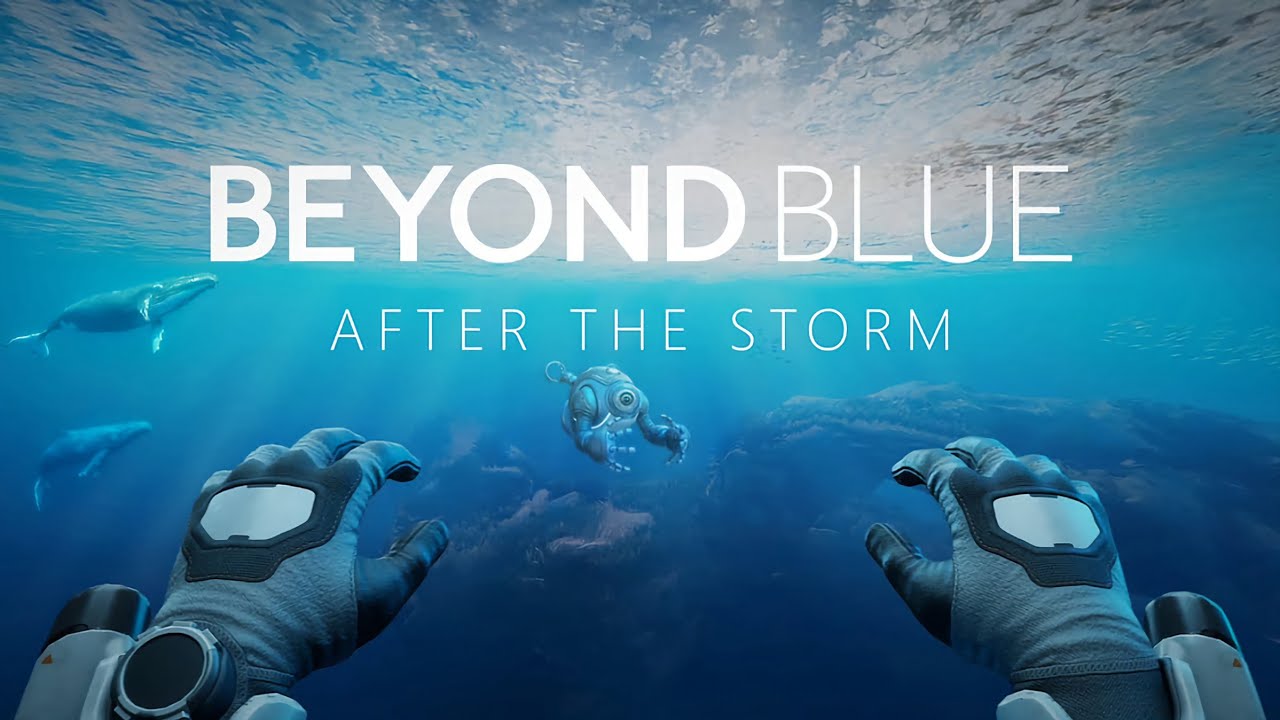
Both games excel in creating stunning underwater worlds, but they approach visual fidelity and immersion from different angles. Beyond Blue leverages real-world scientific data and partnerships to create incredibly realistic and scientifically accurate marine environments and creatures. The details on fish, corals, and the way light penetrates the water are breathtakingly authentic. This realism enhances the educational aspect and fosters a genuine feeling of being an oceanographer. The voice acting and narrative presentation also contribute significantly to its immersive storytelling, pulling you into Mirai's journey.
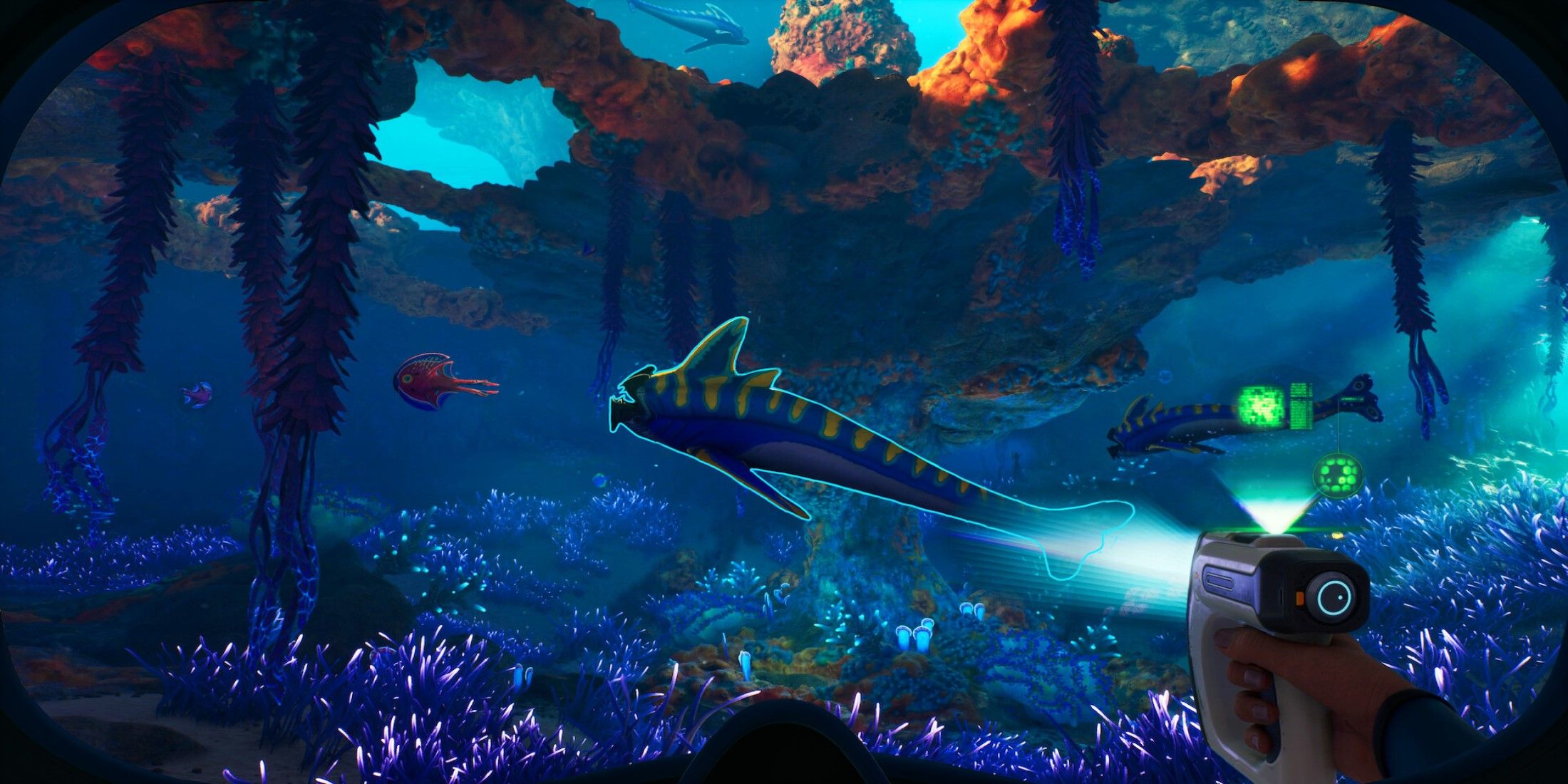
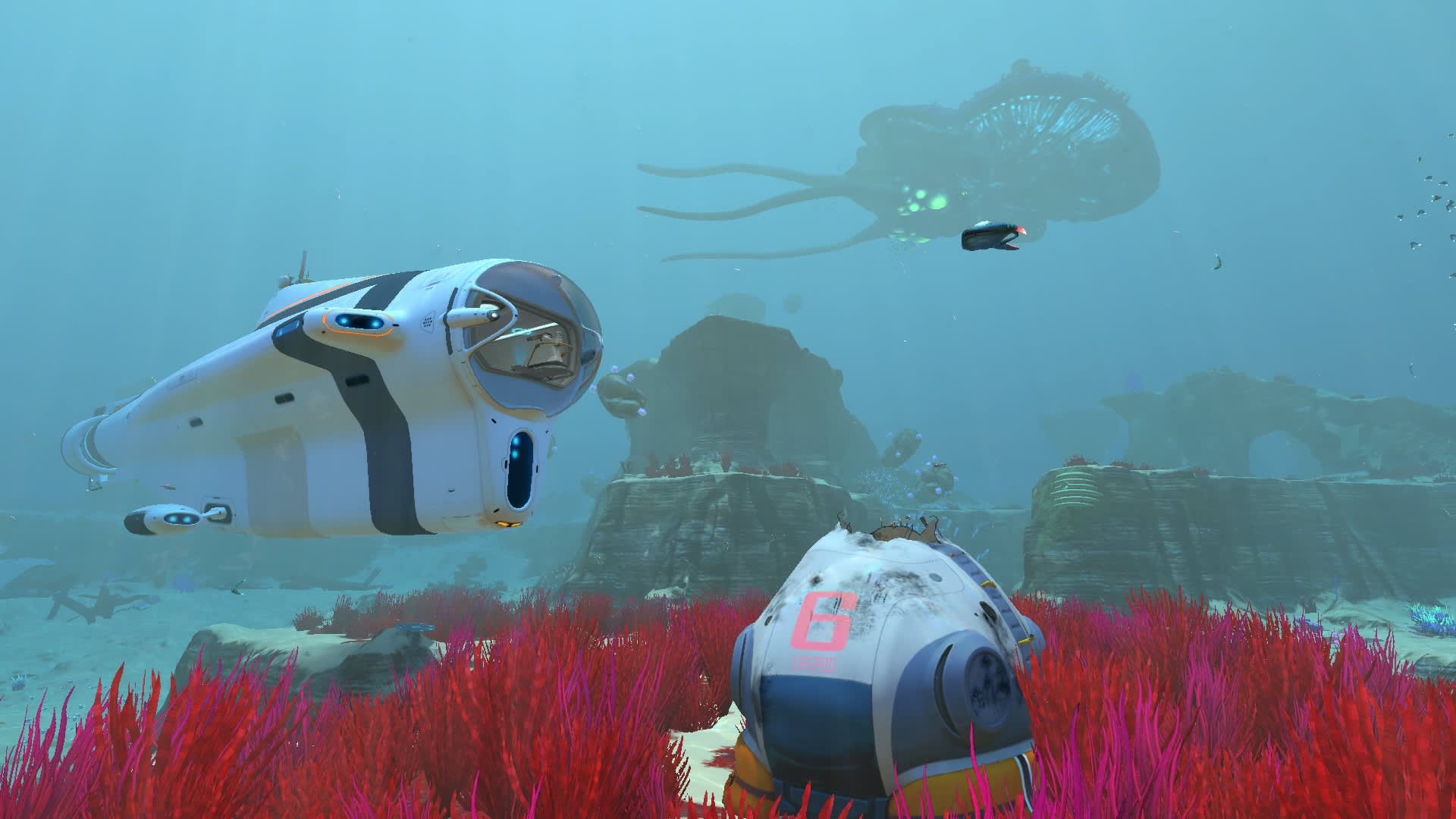
Subnautica, while not aiming for perfect realism, presents a vibrant, alien, and fantastical underwater ecosystem. Its art style is unique, with bizarre yet captivating flora and fauna that feel truly otherworldly. The game’s sense of scale is immense, from vast open biomes to claustrophobic cave systems, all rendered with impressive detail. The real immersion in Subnautica comes from its dynamic environment and the constant sense of discovery and danger, making you feel truly part of a living, breathing, and often hostile alien world. For gamers with a keen eye for performance, both games generally run well on modern hardware, though Subnautica can sometimes be more demanding due to its larger open world and dynamic systems. Many gamers, averaging 10+ hours a week, value stable performance and immersive visuals without constant frame drops.
What About Replayability and Overall Content Length for Each Game
When considering value for money and the longevity of a game, replayability and content length are key factors. Subnautica offers a far more expansive experience in terms of hours played. With its open-world design, extensive crafting trees, base-building mechanics, and multiple areas to explore and secrets to uncover, players can easily sink hundreds of hours into the game. The freedom to approach objectives in different ways and experiment with base designs contributes significantly to its high replay value. Many players revisit Subnautica years later to experience its unique world again or try new challenges.
Beyond Blue, being a more linear, narrative-focused adventure, has a shorter completion time, typically around 4-6 hours for the main story, with perhaps a few more for full documentation of all marine life. While the story is compelling and the exploration is beautiful, its replayability is primarily found in re-experiencing the narrative or uncovering any missed scientific observations. It’s perfect for a weekend play-through or a few dedicated evenings, but it won’t offer the same long-term engagement as Subnautica for those who prioritize endless exploration and progression.
Beyond Blue vs Subnautica Which is Better for Casual or Time-Limited Gamers
For the busy adult gamer who has limited time — perhaps just an hour or two in the evenings — Beyond Blue is often the superior choice. Its contained narrative and lack of urgent survival mechanics mean you can pick it up, make meaningful progress, enjoy some serene exploration, and put it down without feeling like you've forgotten crucial details or are falling behind. It's a game that respects your time and offers a complete, satisfying experience in shorter bursts, making it ideal for those who game to unwind rather than engage in demanding long sessions.
Subnautica, while incredibly rewarding, demands a more significant time investment per session. Managing hunger, thirst, oxygen, and inventory while exploring deep and dangerous zones can be interrupted if you have to log off abruptly, potentially leading to frustration or loss of progress. While it's a phenomenal game, its mechanics are designed for longer, more focused play sessions. For gamers who need flexibility and ease of entry/exit, Beyond Blue provides a smoother, more accommodating experience. This month's gaming trends show a clear preference for games that fit into varied schedules, with casual and cozy titles seeing a surge.
How Do the Stories and Narrative Structures Compare
Beyond Blue tells a deeply personal and scientifically grounded story. You follow Mirai as she leads a research team using advanced technology to explore uncharted parts of the ocean. The narrative is driven by her discoveries, her connection to the marine environment, and the scientific pursuit of understanding our planet's ecosystems. It's an emotional journey that touches on themes of conservation, discovery, and the human connection to nature. The story is clearly defined and unfolds linearly, offering a cohesive and impactful experience.
Subnautica's narrative is more environmental and player-driven. You wake up on an alien planet with little more than a life pod and a vague objective: survive and escape. The story is uncovered through exploration, finding wrecks, data logs, and alien structures, gradually piecing together the events that led to your predicament and the mysteries of Planet 4546B. While there's a compelling overarching plot, it's less about a single character's journey and more about the player's personal struggle for survival and discovery. It's a narrative that rewards curiosity and self-directed exploration.
Are There Any Unique Features or Technologies in Either Game Worth Noting
Beyond Blue stands out for its strong educational component and scientific accuracy. Developed with marine biologists and featuring real-world footage from BBC Earth, it offers a unique blend of gaming and documentary. This makes it particularly appealing for players interested in learning about oceanography and marine conservation. Its use of advanced sonar technology in-game provides an interesting mechanic for discovery, mirroring real-world research methods. It’s a game that truly educates while it entertains, a rare feat in the gaming world.
Subnautica's standout feature is its masterful use of procedural generation and dynamic environments within a hand-crafted world. The seamless transition from surface to extreme depths, the intricate cave systems, and the dynamic weather patterns create a constantly evolving and unpredictable experience. The crafting and base-building systems are incredibly robust, allowing for vast creativity and strategic planning. Furthermore, its VR support provides an unparalleled level of immersion for those with compatible hardware, offering a truly breathtaking (and terrifying) deep-sea experience. For many US gamers, new technologies like VR are increasingly influencing their gaming choices.
Choosing between Beyond Blue and Subnautica isn't about one game being inherently "better" than the other; it's about finding the perfect match for your unique gaming preferences and lifestyle. If you're a busy adult gamer seeking a peaceful, educational, and narrative-rich escape that respects your limited time, Beyond Blue will offer a truly serene and fulfilling experience. It's a digital vacation to the deep ocean, perfect for unwinding after a long day.
However, if you crave a thrilling challenge, love crafting, base-building, and aren't afraid of a good scare or intense survival mechanics, Subnautica provides an unparalleled open-world adventure that can keep you captivated for hundreds of hours. It’s an epic journey of survival and discovery on a truly alien world. Both games deliver incredible underwater immersion, but they cater to very different moods and playstyles. Consider what you need most from your next game: tranquil discovery or pulse-pounding survival. What's your biggest gaming challenge when picking new titles? Comment below and share your thoughts!
FAQ Beyond Blue vs Subnautica
Is Beyond Blue available on Xbox Game Pass or PlayStation Plus
Beyond Blue has previously been available on services like Xbox Game Pass and may cycle through subscription libraries on various platforms including PlayStation Plus. Always check current listings for availability as these can change monthly for budget conscious gamers.
Can I play Beyond Blue or Subnautica offline
Yes both Beyond Blue and Subnautica are single-player games that can be played entirely offline after initial download and installation. This is great for gamers who might have unreliable internet connections or prefer to game without online distractions.
Which game has a more realistic underwater environment Beyond Blue or Subnautica
Beyond Blue prioritizes scientific accuracy and realism in its depiction of marine life and environments making it the more realistic choice. Subnautica while visually stunning features fantastical alien flora and fauna.
Are there combat mechanics in Beyond Blue or Subnautica
Beyond Blue has no combat mechanics whatsoever focusing solely on peaceful exploration. Subnautica features combat elements as you encounter and defend yourself from hostile alien creatures although it is not a primary focus like a dedicated combat game.
Is Beyond Blue suitable for children who love marine animals
Yes Beyond Blue is highly suitable for children who are interested in marine animals and ocean exploration. Its educational focus peaceful gameplay and lack of frightening elements make it an excellent family-friendly title.
What platforms are Beyond Blue and Subnautica available on
Both Beyond Blue and Subnautica are widely available across multiple platforms including PC PlayStation Xbox and Nintendo Switch. Subnautica also has a sequel Subnautica Below Zero on these platforms.
Beyond Blue offers serene narrative driven ocean exploration and marine biology documentation with a focus on education and relaxation Subnautica provides open world survival horror crafting base building and intense alien encounters Both offer unique underwater experiences catering to different gamer preferences for immersion challenge and story engagement
35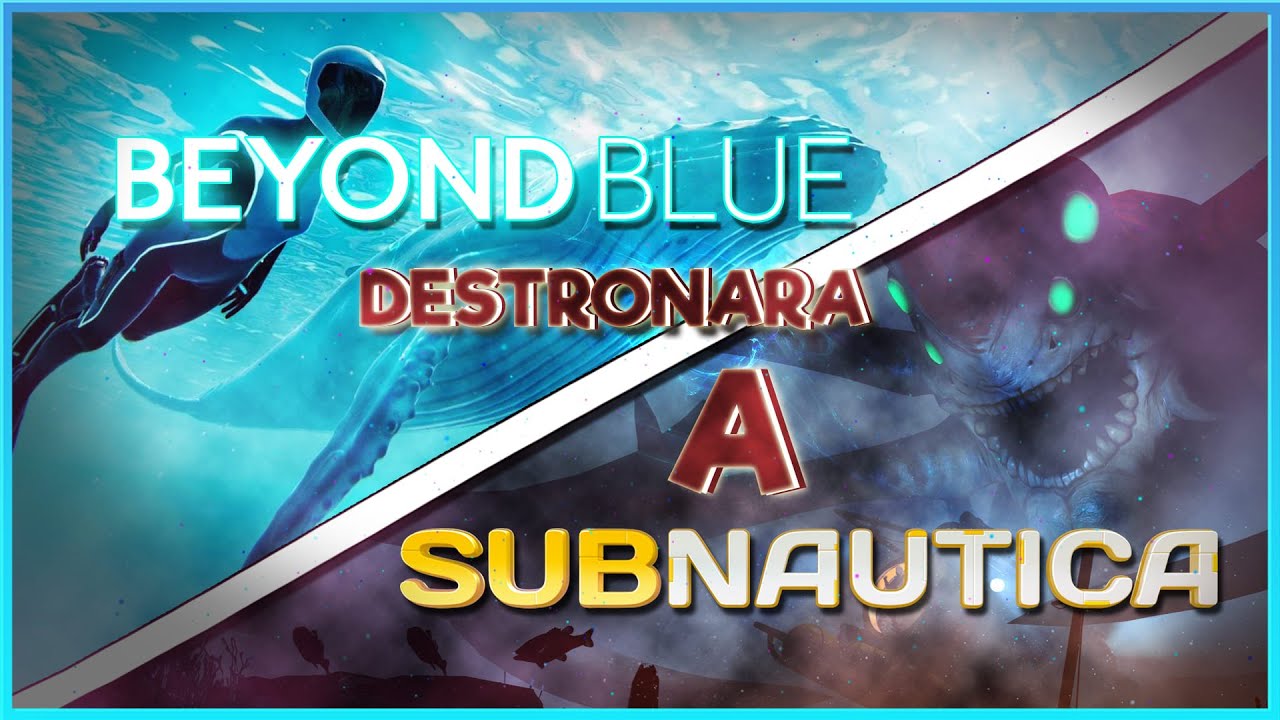
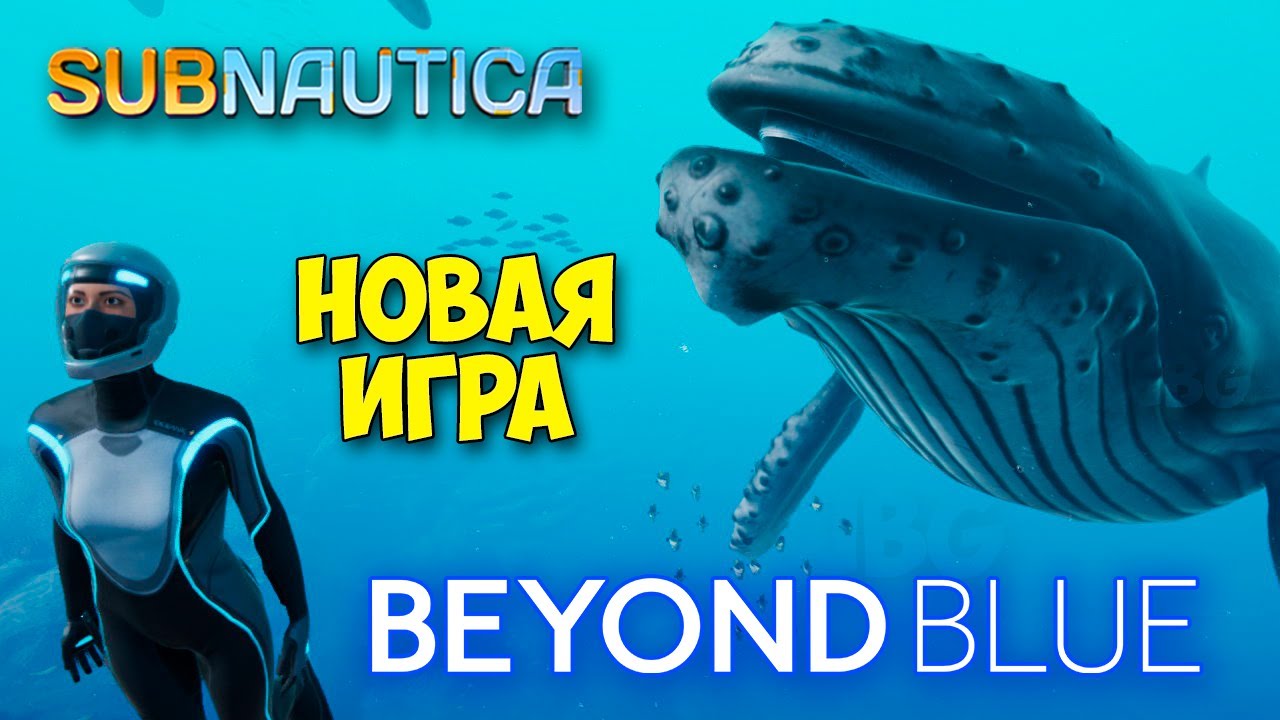


BEYOND BLUE Destronara A SUBNAUTICA YouTube . SUBNAUTICA Beyond Blue YouTube . Subnautica Who BEYOND BLUE YouTube . Beyond Blue PL 1 Subnautica X Abzu YouTube Hqdefault . Beyond Blue Subnautica 2 0 YouTube


Subnautica Beyond . Comparison Of Beyond Blue Vs Subnautica Below Zero Beyond Blue Gameplay . Subnautica Beyond Blue YouTube . Bukan Subnautica Beyond Blue Random Stream YouTube . Subnautica 2 Ser Lan Ado S Em 2026 Xbox Power Image



Subnautica Vs Subnautica 2 Gaming Net Subnautica Vs Subnautica 2 . Subnautica Beyond Blue 1 YouTube . Subnautica Vs Subnautica 2 Gaming Net Subnautica Vs Subnautica 2 7 1536x864 . Subnautica Beyond Blue 2 YouTube . Subnautica Vs Subnautica 2 Gaming Net Subnautica Vs Subnautica 2 5 1536x864
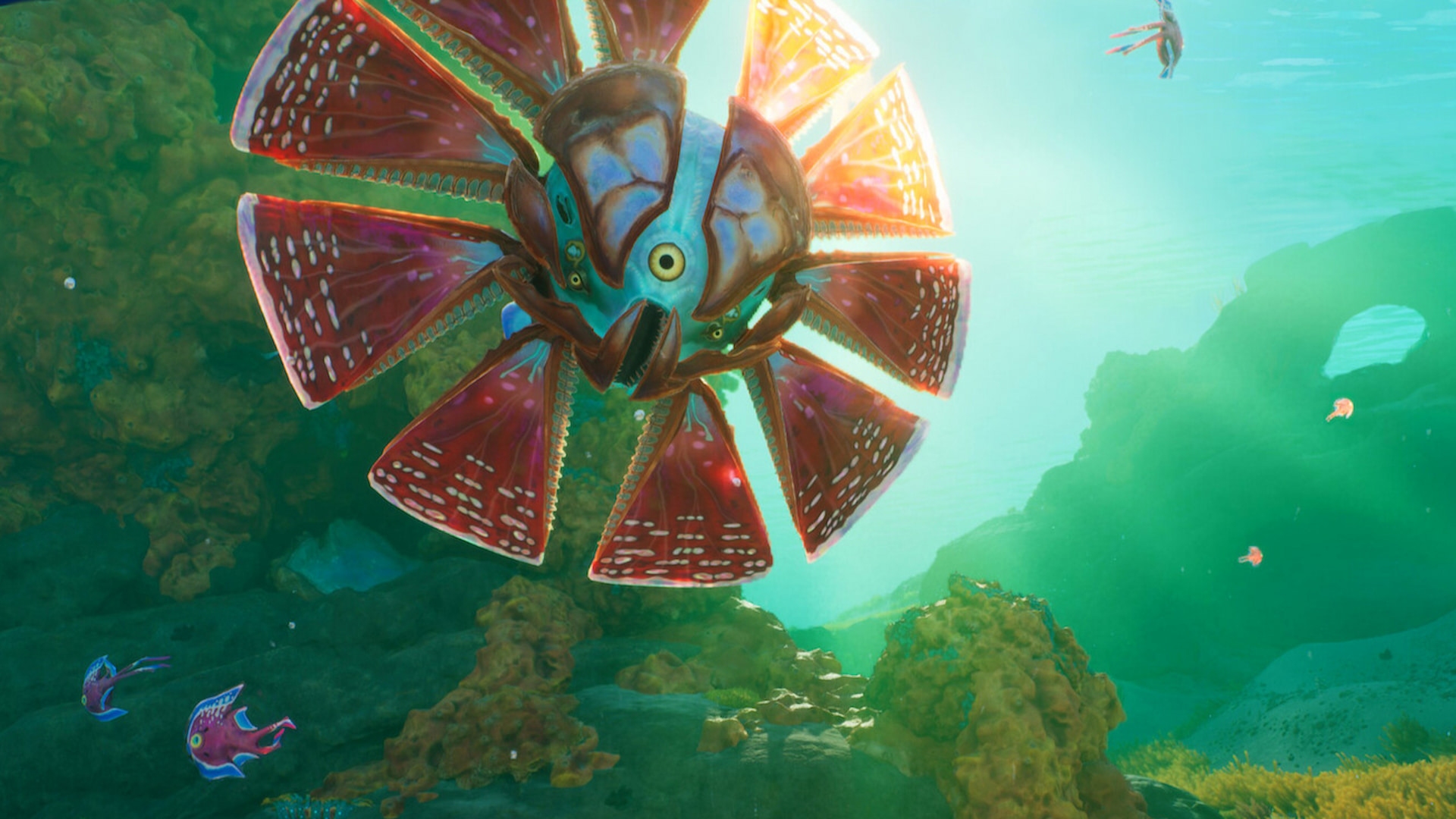

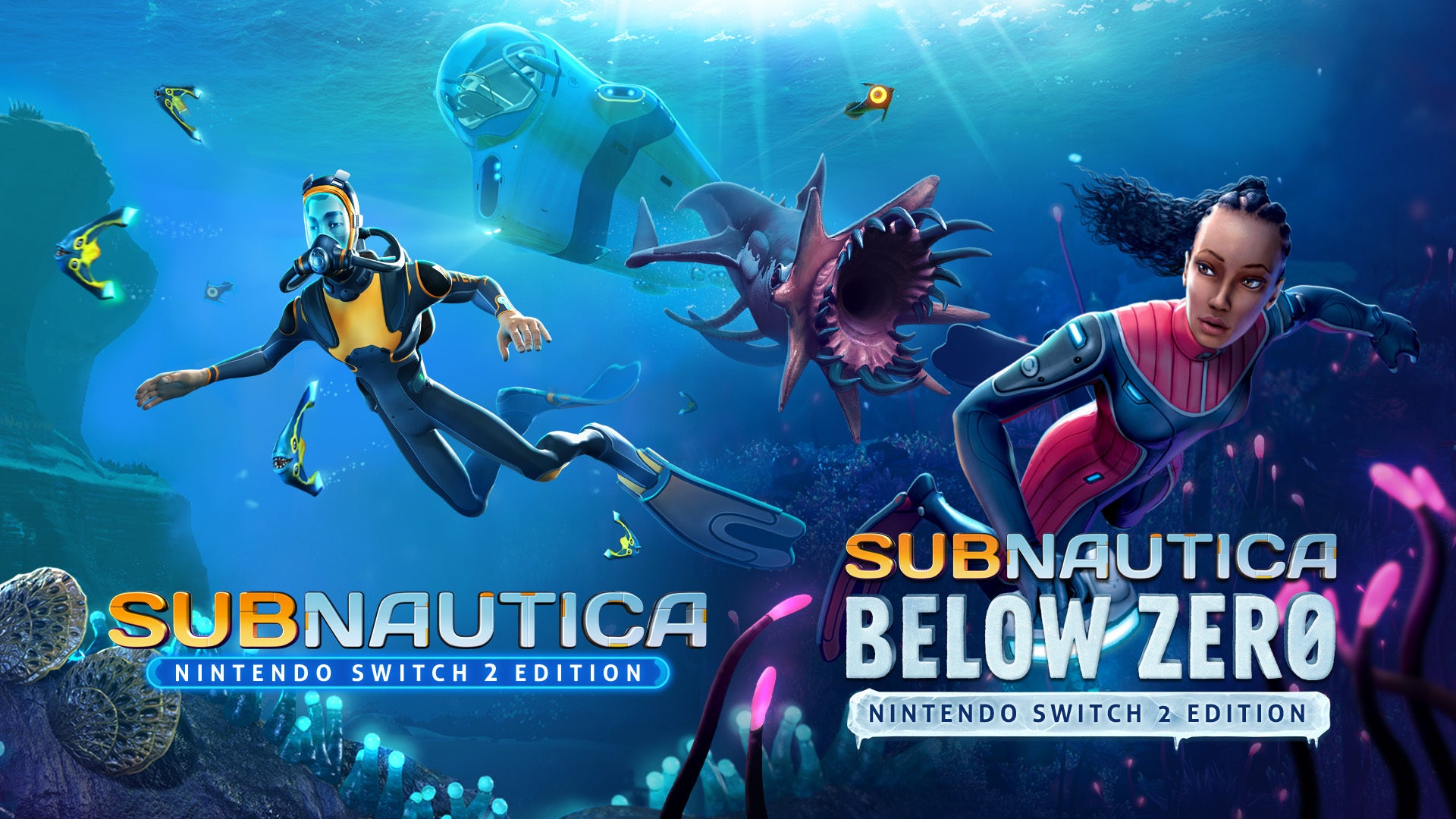

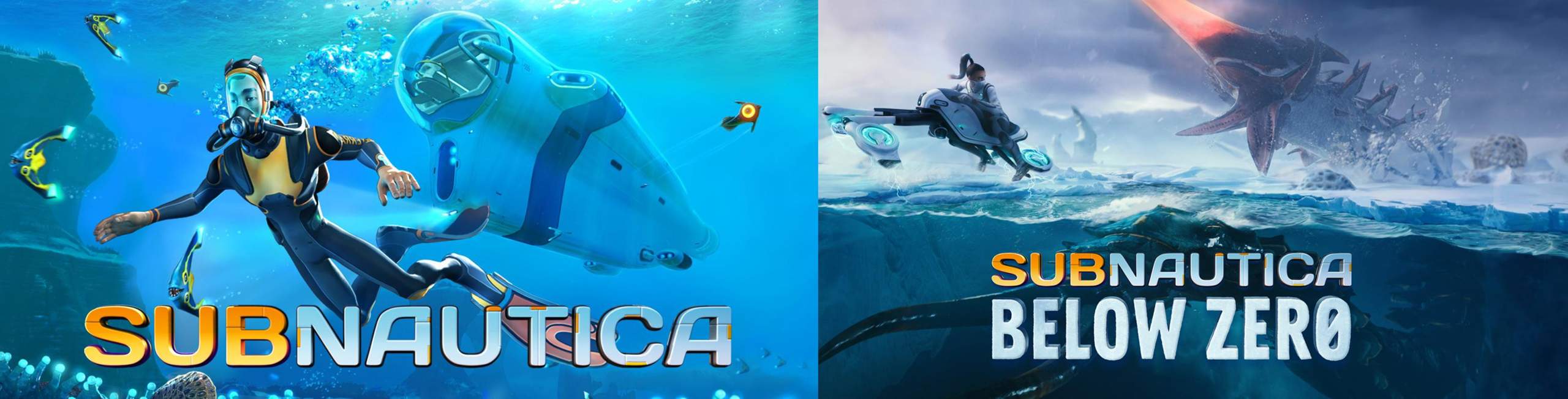
Subnautica 2 I Video Svelano Il Disastroso Destino Della Cicada E Una Subnautica 2 Creature 1 1 . Subnautica 2 S Map Expansion Can Go Above And Beyond The Original Subnautica 2 Teaser Image 1 . Subnautica And Subnautica Below Zero Dive Onto Switch 2 On February 17 Subnautica Asset . Buy Now Beyond Blue BBATS Cover Square . Subnautica Vs Subnautica Below Zero Subnautica Below Zero 0 Full
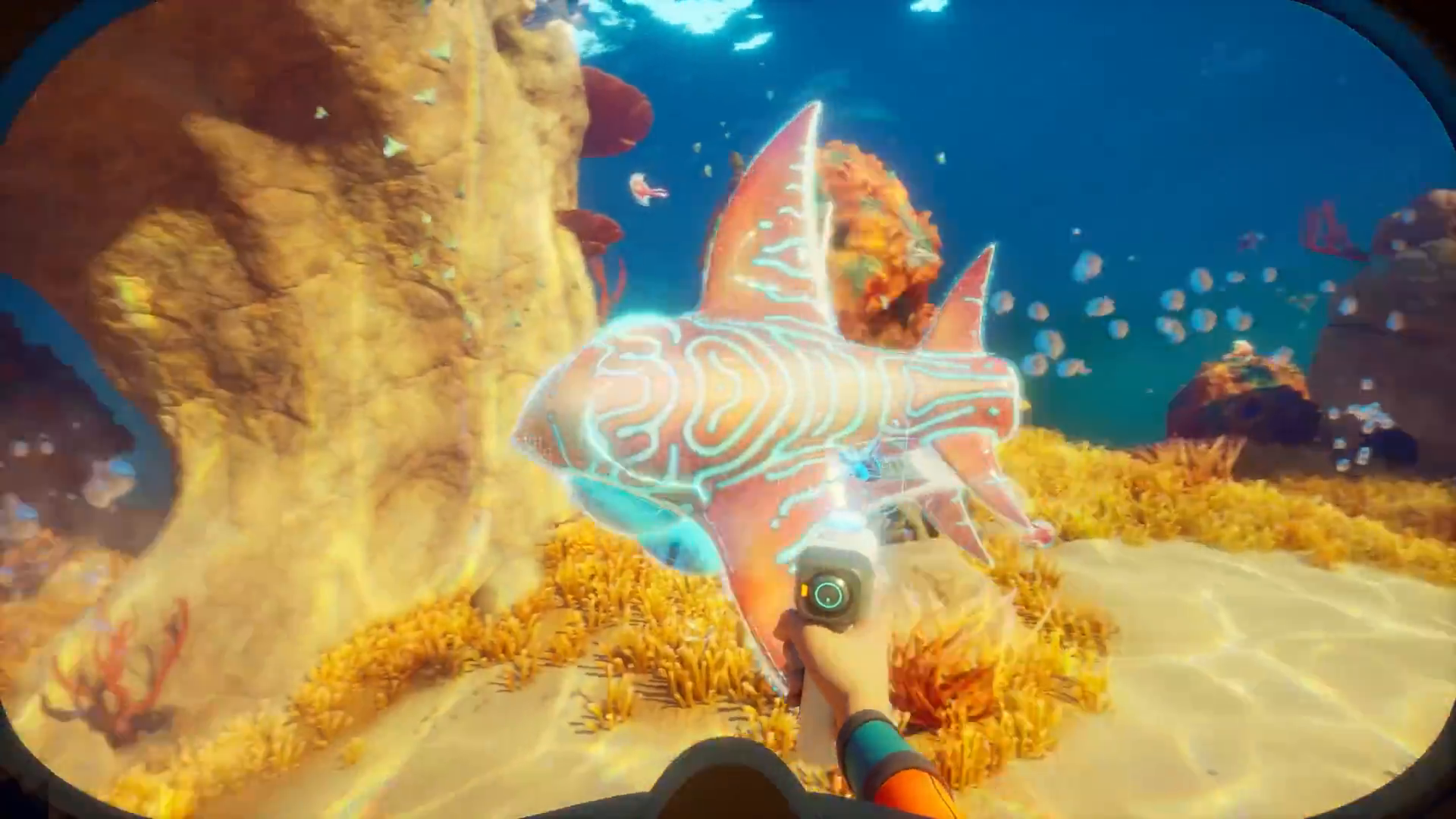


Subnautica 2 On Lyk Tty Vuoteen 2026 4601483b . Subnautica 2 Has Ambitious Goals For Its Map Size Subnautica 2 Teaser Image 5 . Beyond Blue UNDERWATER EXPLORATION GAME Endless Ocean And SUBNAUTICA . Comparison Of Beyond Blue Vs Subnautica Below Zero Beyond Blue Story . Subnautica 2 Vs Subnautica 4 Reasons Returning Players Still Need To Vs Original Subnautica 2 Vs Original Comparison




Subnautica 2 Na Steam Ss . SUBNAUTICA 2 Gameplay Trailer Extended 2026 4K YouTube . Beyond Blue After The Storm Subnautica In VR Erster Eindruck . Comparison Of Beyond Blue Vs Subnautica Below Zero Beyond Blue Review . Subnautica 2 Vs Subnautica 4 Reasons Returning Players Still Need To Vs


Subnautica Nintendo Switch 2 Edition Upgrade Pack For Nintendo. Subnautica Episode 22 The Place Beyond The Blue Tablet YouTube . Subnautica Vs Below Zero YouTube . Apple Arcade A Fold Apart Subnautica . Subnautica 2 Retrasado A 2026 Para Evitar Pago De 250 Millones Subnautica 2 Retrasado A 2026 Para Evitar Pago De 250 Millones