In 2026, many US gamers juggle work, family, and a desire to unwind with their favorite titles. The question, Is 5600G good for gaming, remains a top query for budget-conscious players seeking solid performance without breaking the bank. This comprehensive guide navigates the nuances of the AMD Ryzen 5 5600G APU, a popular choice for its integrated graphics, providing essential insights into its capabilities for modern gaming. We explore its performance across various game genres, offering practical advice on optimization, pairing it with external GPUs for future upgrades, and ensuring you get the best value for your hard-earned money. Whether you are building a new PC on a budget or looking for an affordable upgrade path, understanding the 5600G's strengths and limitations is crucial. Discover how this versatile processor can still deliver enjoyable gaming experiences, keeping you connected with friends and enjoying your digital escapes, even with limited time for hardcore sessions. This article addresses common setup issues, performance bottlenecks, and offers game recommendations perfectly suited for the 5600G, helping you balance your gaming passion with life’s demands.
Is the 5600G a smart choice for new PC builds in 2026 if I'm on a tight budget?
Absolutely, the AMD Ryzen 5 5600G remains a remarkably smart choice for budget-conscious gamers building a new PC in 2026. Its integrated Radeon Graphics provides a capable entry-point into 1080p gaming for many popular titles, eliminating the immediate need for a costly dedicated GPU. This allows you to allocate more funds towards other essential components like fast RAM or a high-capacity SSD, improving overall system responsiveness. It's an ideal starting point for casual gamers or those who primarily play esports and older AAA games.
How well does the 5600G handle popular social and cozy games this month?
The 5600G handles popular social and cozy games exceptionally well, making it perfect for gamers who prioritize relaxation and connecting with friends online. Games like Palworld, Stardew Valley, Valheim, or even more demanding titles like Lethal Company (with optimized settings) run smoothly. Given that social gaming trends continue to dominate, with 87% of US gamers regularly engaging, the 5600G's ability to deliver stable frame rates in these low-to-medium demand titles ensures you won't miss out on the fun, whether you're building a digital farm or exploring alien moons with your squad.
What specific settings should I tweak to maximize gaming performance on my 5600G?
To maximize gaming performance on your 5600G, focus on a few key settings. First, ensure you have dual-channel RAM running at 3200MHz or 3600MHz, as the integrated graphics heavily rely on system memory. In-game, always target 1080p resolution and experiment with lowering graphical presets from "High" to "Medium" or "Low" for demanding titles. Disable unnecessary background applications, update your AMD drivers regularly, and consider allocating more system RAM to the integrated graphics in your BIOS settings if possible (usually 2-4GB). These tweaks provide noticeable frame rate boosts without needing new hardware.
Can the 5600G reliably run current AAA titles, even with compromises?
Running current AAA titles reliably on a 5600G without a dedicated GPU is challenging, even with significant compromises. While older or less graphically intensive AAA games from a few years ago might be playable at 720p or very low 1080p settings, modern demanding titles like Cyberpunk 2077 or Alan Wake 2 will struggle significantly. You might achieve barely playable frame rates, but the experience won't be ideal. The 5600G shines brightest in esports, indie, and older mainstream games; for cutting-edge AAA, a dedicated GPU is generally required for a truly enjoyable experience.
What's the best strategy for upgrading a 5600G system for future gaming?
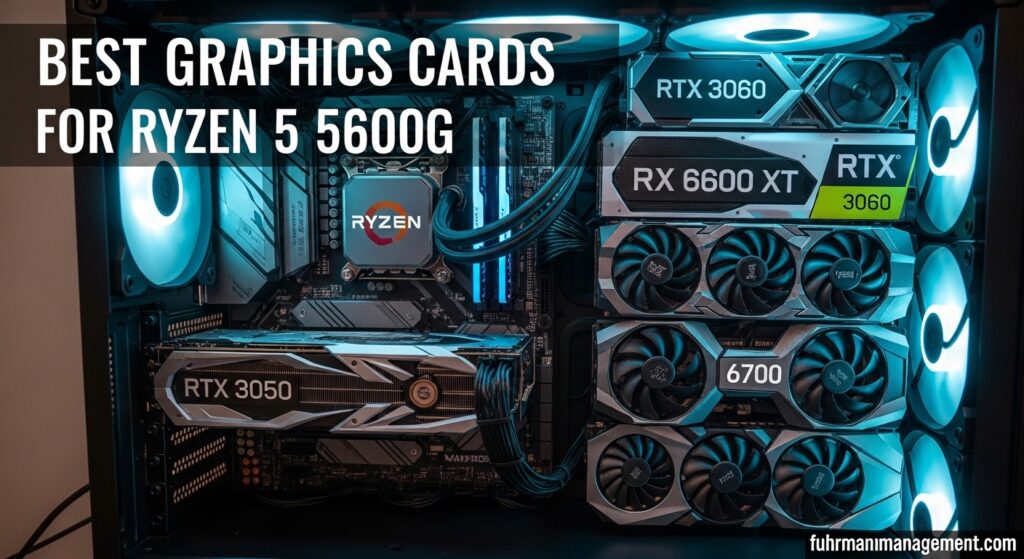
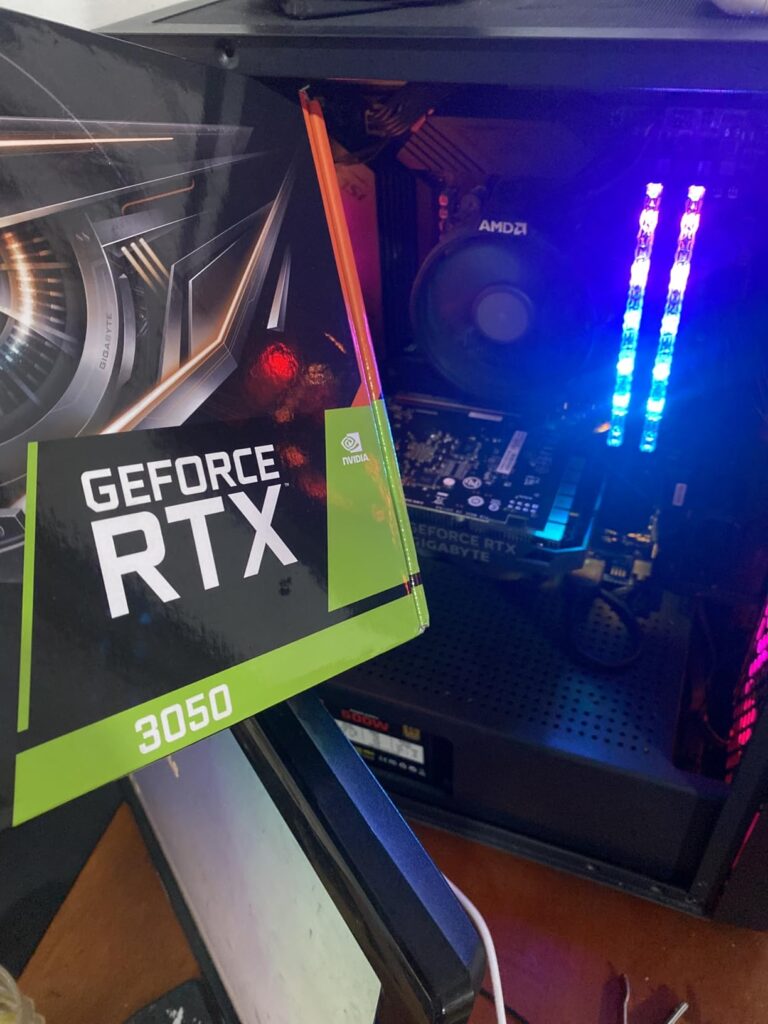
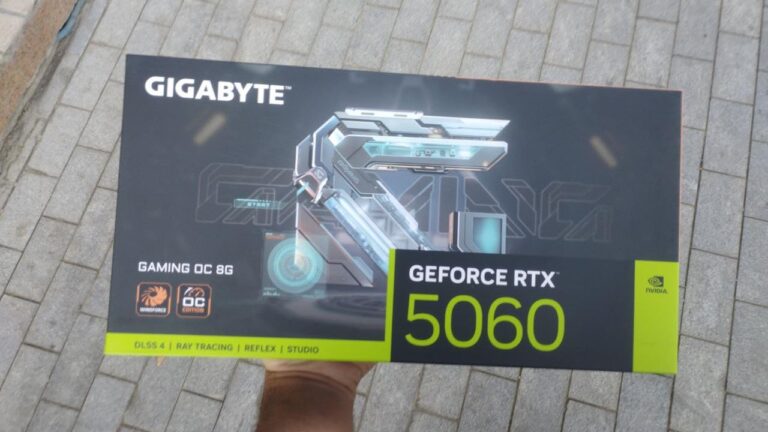
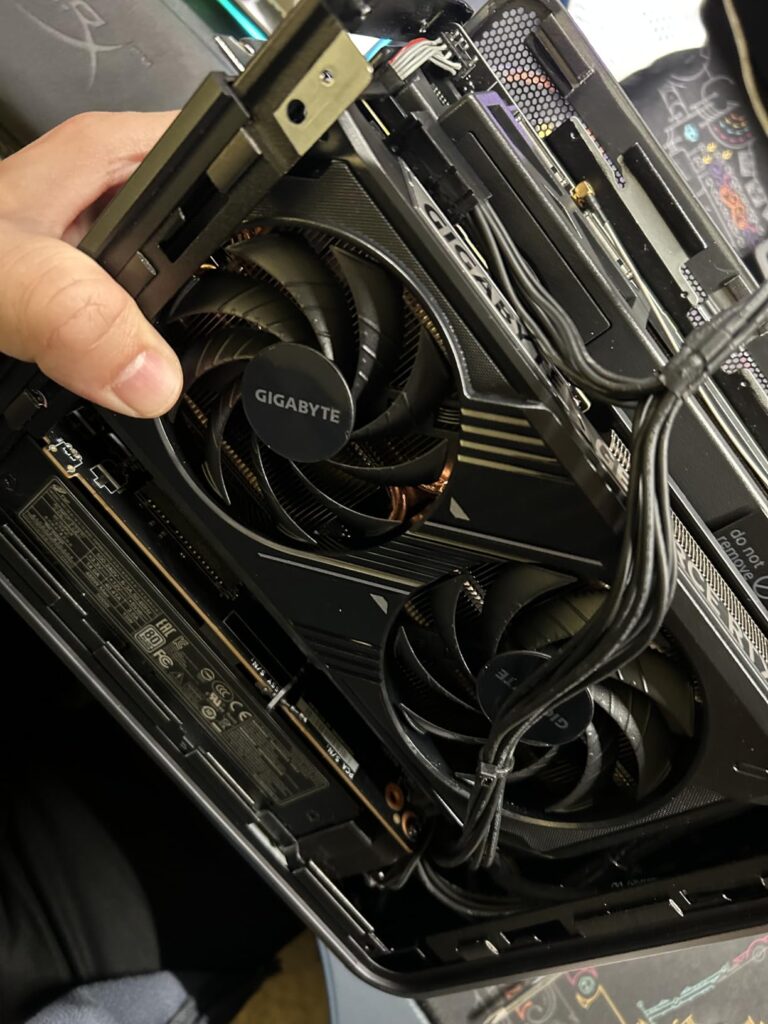
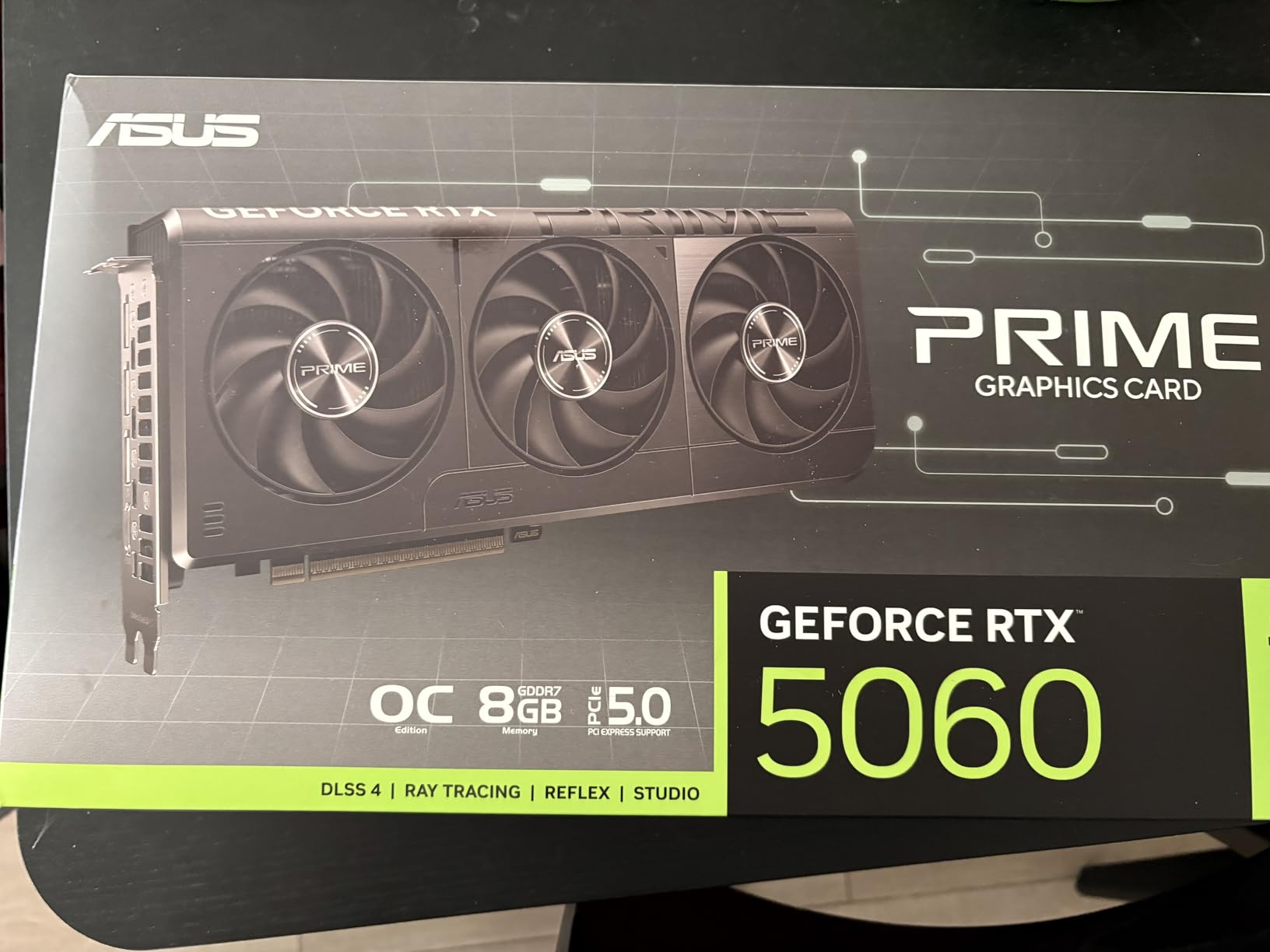
The best upgrade strategy for a 5600G system prioritizes adding a dedicated graphics card. Since the 5600G itself is a capable CPU, pairing it with a budget or mid-range GPU like an AMD RX 6600, RX 7600, NVIDIA RTX 3050, or RTX 4060 will dramatically transform your gaming performance. Once you have a discrete GPU, the integrated graphics will automatically deactivate, and your system will leverage the much more powerful dedicated card. Beyond the GPU, ensure you have sufficient RAM (16GB is ideal) and a fast SSD for game loading times. This path offers excellent value, turning a budget APU build into a respectable gaming rig.
Is the 5600G suitable for gamers who only have limited time for short sessions?
The 5600G is highly suitable for gamers with limited time for short sessions, perfectly aligning with the average US gamer's reality of balancing gaming with life. Its "good enough" performance for quick rounds of Valorant, a few quests in an RPG, or a quick social gathering in games like Among Us means you can jump in, have fun, and jump out without worrying about massive setup times or needing a top-tier rig for every moment. It provides immediate access to enjoyable gaming experiences, which is precisely what many busy adults need for stress relief and quick escapes.
Why is fast RAM so crucial when gaming with the AMD Ryzen 5 5600G?
Fast RAM is absolutely crucial when gaming with the AMD Ryzen 5 5600G because its integrated Radeon Graphics (Vega 7) shares the system's main memory for its graphical processing unit (GPU) needs. Unlike dedicated graphics cards which have their own high-speed GDDR memory, the APU relies on your DDR4 RAM. Faster RAM (e.g., 3600MHz vs. 2400MHz) provides higher bandwidth, allowing the integrated GPU to access textures, frame buffers, and other graphical data more quickly. This directly translates to smoother frame rates and better overall performance in games, making it the single most impactful component choice after the APU itself.
Life in 2026 for the average US gamer is a balancing act. You're probably juggling a career, family responsibilities, and maybe even trying to squeeze in some personal time. After a long day, the idea of unwinding with your favorite game sounds perfect, but budget constraints, complicated setups, and the sheer pace of new hardware releases can feel overwhelming. You want to play, connect with friends, and maybe even build a cool new skill, but you also need value for your hard-earned money and a system that just works. This is where questions like 'is 5600g good for gaming' really hit home. For many, the AMD Ryzen 5 5600G with its integrated Radeon Graphics, often referred to as an APU, presents itself as a compelling solution. Can this processor truly deliver an enjoyable gaming experience without needing an expensive dedicated graphics card? We've heard your frustrations about balancing performance and budget. You're not alone. Recent data suggests that over 87% of US gamers play regularly, often for 10+ hours a week, indicating that gaming remains a vital stress reliever and social hub. This comprehensive guide is designed to cut through the hype and provide practical, no-nonsense answers. We're here to help you navigate the world of the 5600G, offering clear insights, optimization tips, and honest expectations so you can make an informed decision and get back to what matters: having fun. Let's find out if the 5600G is the secret weapon for your gaming life in 2026.
Is the 5600G Still Good for Gaming in 2026?
This is the million-dollar question for many gamers. In short, yes, the AMD Ryzen 5 5600G is still a good option for gaming in 2026, especially for specific types of players and builds. It won't compete with high-end CPUs paired with dedicated graphics cards, but that's not its purpose. Its integrated Radeon Vega 7 Graphics allows you to play a vast library of games at 1080p resolution without needing a separate GPU, which is a massive cost-saver. For casual gamers, those focused on esports titles, or anyone building a budget-conscious PC with an upgrade path in mind, the 5600G offers remarkable value. It's a testament to AMD's APU technology that it continues to provide a solid entry point into PC gaming years after its release, aligning perfectly with the average gamer's need for performance without overspending. It frees up budget for other important components like fast storage or a better monitor, which also significantly enhance your gaming experience.
What Kind of Performance Can I Expect from the 5600G's Integrated Graphics?
When asking, is 5600g good for gaming, performance expectations are key. The 5600G’s integrated graphics are best suited for 1080p resolution. Here’s a breakdown:
Esports Titles: Games like Valorant, Counter-Strike 2, League of Legends, Dota 2, and Overwatch 2 run exceptionally well. You can often expect 60+ frames per second (FPS) on medium to high settings, providing a smooth and competitive experience. For many US gamers who prioritize social play and competitive ladders, this performance is more than adequate.
Indie & Older AAA Games: Titles like Hades, Stardew Valley, Terraria, or even older AAA gems like Grand Theft Auto V, The Witcher 3 (at optimized settings), and Skyrim perform very well. These offer excellent graphical fidelity and smooth gameplay, perfect for unwinding after a busy day.
Modern AAA Games: This is where you'll see limitations. Recent, graphically demanding AAA titles (e.g., Cyberpunk 2077, Alan Wake 2, Starfield) will struggle significantly. You might achieve barely playable frame rates (30 FPS or less) at 720p or very low 1080p settings, but the experience won't be ideal. These games are designed for dedicated GPUs, and the 5600G simply isn't built for that level of strain without help.
Your actual mileage will vary based on RAM speed (crucial for APUs), specific game settings, and background applications. But for most mainstream and less demanding games, the 5600G delivers a surprisingly competent experience.
Which Games Run Best on the Ryzen 5 5600G?
To ensure you're getting the most out of your investment when considering "is 5600g good for gaming," knowing the ideal game types is vital. The 5600G excels in:
Popular Esports: Valorant, Apex Legends (low settings), Rocket League, CS2, League of Legends, Dota 2, Overwatch 2. These games are optimized for competitive play, meaning they can run on a wide range of hardware, and the 5600G handles them with ease at 1080p, often above 60 FPS.
Cozy & Social Games: Given the trend towards social and relaxation-focused gaming, the 5600G is perfect for titles like Palworld, Stardew Valley, Valheim, Phasmophobia, Among Us, and Minecraft. These games offer wonderful ways to de-stress and connect with friends online, a key activity for over 60% of US gamers who value social play.
Indie Darlings: Hades, Hollow Knight, Celeste, Disco Elysium, Slay the Spire. These critically acclaimed titles offer rich experiences that aren't graphically taxing, making them a perfect fit for the 5600G.
Select Older AAA Titles: Grand Theft Auto V, The Witcher 3: Wild Hunt, Doom (2016), Fallout 4, Skyrim. With careful tuning of settings (often medium to low), these games can provide a very enjoyable 1080p experience, allowing you to catch up on classics you might have missed.
Focusing on these categories will ensure you have a consistently smooth and enjoyable gaming journey with your 5600G.
How Can I Optimize My 5600G System for Better Gaming Performance?
Optimizing your 5600G is crucial to squeezing every bit of performance out of it. Gamers balancing life and PC upkeep often face performance issues, and these tips can make a big difference:
Fast Dual-Channel RAM: This is arguably the most impactful upgrade. The 5600G's integrated graphics use system RAM. Ensure you have 16GB of DDR4 RAM running in dual-channel configuration at 3200MHz or 3600MHz. Avoid single-stick RAM configurations at all costs.
Allocate More VRAM in BIOS: Most motherboards allow you to dedicate a portion of your system RAM as VRAM for the integrated graphics. Increasing this from the default (often 512MB or 1GB) to 2GB, 4GB, or even 8GB (if you have 16GB+ system RAM) can significantly improve performance in some games. Check your motherboard manual for specifics.
Keep Drivers Updated: Always install the latest AMD Radeon Software drivers. These updates often include performance optimizations and bug fixes for new games, ensuring your hardware runs at peak efficiency. Regular driver updates are a simple yet effective maintenance trick.
Optimize In-Game Settings: Lowering resolution scaling, texture quality, shadow quality, and disabling anti-aliasing can lead to substantial FPS gains. Target 1080p and then incrementally adjust settings until you find a balance between visuals and frame rate. Many games now offer FSR (FidelityFX Super Resolution) which can provide a nice boost.
Disable Background Applications: Close browsers, Discord, streaming apps, and any other non-essential programs while gaming to free up CPU and RAM resources. This is a common pain point for gamers with limited time, as every resource counts.
Power Settings: Ensure your Windows Power Plan is set to "High Performance" or "Ultimate Performance" for maximum CPU clock speeds.
These adjustments can turn a barely playable experience into a smooth one, providing value for money without extra hardware costs.
Does RAM Speed Matter for 5600G Gaming?
Absolutely, RAM speed matters immensely for 5600G gaming; it’s one of the most critical factors. Unlike dedicated graphics cards that come with their own high-speed GDDR memory, the Radeon Vega 7 integrated graphics in the 5600G shares your system’s main DDR4 RAM. The faster your RAM, the more bandwidth available for the integrated GPU to access textures, frame buffers, and other essential graphical data. Think of it like a highway: a wider, faster highway (faster RAM) allows data to flow more quickly to the graphics processor, resulting in smoother frame rates and a more responsive gaming experience.
Ideal: DDR4-3600MHz (with tight timings like CL16) offers the best balance of speed and compatibility.
Good: DDR4-3200MHz (CL16) is also a strong performer and a very common, cost-effective choice.
Avoid: Anything below 3200MHz, especially 2400MHz or 2666MHz, will noticeably bottleneck your gaming performance. Single-channel RAM (using only one stick) will cripple it further. Always use two sticks for dual-channel operation.
Investing in good, fast RAM is the single most impactful "upgrade" you can make for your 5600G system without buying a dedicated GPU. It’s a smart move for maximizing your value for money.
What Are the Limitations of Gaming with a 5600G APU?
While the 5600G offers fantastic value, it's important to understand its limitations, especially for busy gamers who don't want unexpected performance problems:
Graphical Horsepower: The integrated Vega 7 graphics are entry-level compared to even modest dedicated GPUs. This means playing the latest AAA games at high settings or resolutions beyond 1080p is simply not feasible. Expect to compromise on visual quality for playable frame rates in demanding titles.
Shared System Resources: The integrated GPU shares your system’s RAM and CPU resources. If you have limited RAM (e.g., 8GB), or if your CPU is busy with background tasks, both your gaming performance and overall system responsiveness can suffer. This is a common pain point for multitaskers.
Future-Proofing for High-End Gaming: If your goal is to play future AAA games at high frame rates and settings, the 5600G by itself will not be sufficient. It's a great starter, but it requires a dedicated GPU addition for true high-fidelity gaming in upcoming titles.
VRAM Limitations: While you can allocate system RAM as VRAM, it's still DDR4, not the much faster GDDR memory found on dedicated GPUs. This impacts texture loading and overall graphical rendering efficiency, particularly in games with large, detailed environments.
Knowing these limitations helps set realistic expectations, ensuring your gaming sessions are fun, not frustrating.
Should I Buy a 5600G If I Plan to Add a Dedicated GPU Later?
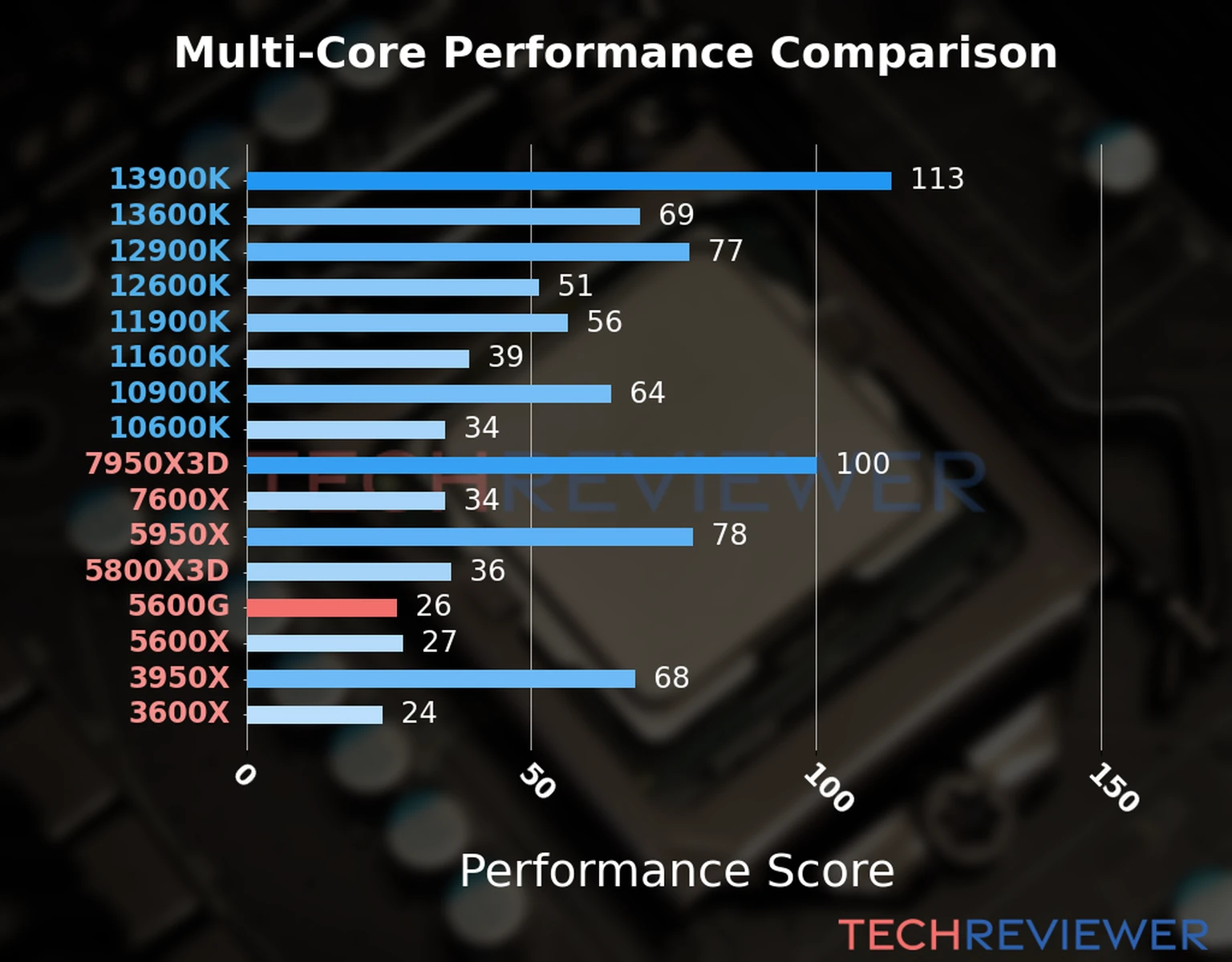
This is an excellent strategy for budget-conscious gamers looking to build a flexible PC, and it’s a strong argument for why "is 5600g good for gaming" remains relevant. The 5600G features a very capable 6-core, 12-thread CPU based on AMD's Zen 3 architecture. This CPU portion is strong enough to handle a wide range of dedicated GPUs, from entry-level cards like the AMD RX 6600 or NVIDIA RTX 3050 all the way up to mid-range options like the RX 7600 or RTX 4060, without creating a significant bottleneck.
Here’s why it’s a smart move:
Immediate Playability: You can build the PC, start gaming right away using the integrated graphics, and enjoy a vast library of games while saving up for a dedicated GPU.
Cost-Effective Staging: It allows you to spread out your PC build costs. Instead of a large initial investment, you can upgrade in stages, which is perfect for managing a budget alongside other life expenses.
Strong CPU Foundation: When you eventually add a dedicated GPU, the 5600G's CPU will provide a solid foundation, ensuring smooth frame rates and good overall system responsiveness. It prevents the need to upgrade both your CPU and GPU simultaneously, saving you hassle and money down the line.
This approach aligns well with the value-for-money focus many adult gamers have, allowing them to optimize performance over time.
How Does the 5600G Compare to Dedicated Budget GPUs?
Comparing the 5600G's integrated graphics to dedicated budget GPUs involves understanding trade-offs:
5600G Integrated Graphics (Vega 7):
Pros: No need for a separate GPU, lower initial cost, lower power consumption, smaller form factor potential. It's perfect for 1080p esports and indie games, offering immediate playability.
Cons: Significantly less raw power than any dedicated GPU. Struggles with modern AAA titles, limited VRAM (shared system RAM), and cannot be easily upgraded for graphics alone.
Entry-Level Dedicated GPUs (e.g., NVIDIA GTX 1650, AMD RX 6400/6500 XT):
Pros: Offer noticeably better performance, especially in modern AAA games at 1080p. Dedicated VRAM (GDDR5/GDDR6) provides superior bandwidth and capacity for textures. More consistent frame rates across a wider range of titles.
Cons: Higher overall system cost, requires a separate CPU, consumes more power, takes up a PCIe slot. Can be challenging to find at MSRP depending on market trends.
In essence, the 5600G provides a competent all-in-one solution for light to moderate gaming. If your budget allows for an entry-level dedicated GPU and a non-G series CPU (like a Ryzen 5 5600), you will generally get better gaming performance. However, for sheer value and initial build simplicity, the 5600G remains a strong contender.
Is the 5600G a Good Choice for Casual or Social Gamers?
The 5600G is an excellent choice for casual and social gamers, aligning perfectly with how many adults approach gaming in 2026. If you primarily play to unwind, connect with friends, or engage in skill-building through esports, the 5600G offers ample power for a smooth and enjoyable experience. Social gaming trends continue to be strong, with platforms like Discord and in-game communities flourishing. The 5600G lets you jump into your favorite multiplayer titles or cozy cooperative adventures without fuss. You won't need to worry about the latest ray tracing or ultra-high settings; you'll be focused on the fun, the strategy, and the shared moments with your friends. It provides that much-needed escape without requiring a top-tier investment, making it a smart choice for those balancing their gaming passion with other life commitments. Plus, it's great for media consumption and general productivity when you're not gaming, adding to its overall value proposition.
What Are Some Affordable Upgrades for a 5600G Gaming PC?
Even if you start with just a 5600G, there are affordable and impactful upgrades that can significantly enhance your gaming experience:
Add a Dedicated Graphics Card: This is the most transformative upgrade. A budget-friendly GPU like an AMD RX 6600 or NVIDIA RTX 3050 (when prices are reasonable) will boost your performance in modern AAA titles exponentially. The 5600G's CPU is strong enough to support these cards without bottlenecking.
Upgrade RAM to 16GB Fast Dual-Channel: If you started with 8GB or slower RAM, moving to 16GB of 3200MHz or 3600MHz DDR4 in a dual-channel configuration is crucial. As highlighted, the integrated graphics heavily depend on RAM speed and capacity.
Fast NVMe SSD: If you're still on an older SATA SSD or HDD, upgrading to a PCIe Gen3 or Gen4 NVMe SSD will drastically improve game loading times, system responsiveness, and overall user experience. Games are getting larger, and quick load times are a blessing for busy gamers.
Better Cooling: The stock cooler for the 5600G is adequate, but a modest aftermarket CPU cooler can help keep temperatures lower, potentially allowing the CPU to boost higher for longer periods, leading to more consistent performance. This is a relatively inexpensive upgrade that adds longevity and quiet operation.
High Refresh Rate Monitor: While not a PC component, a 120Hz or 144Hz monitor will make esports titles feel incredibly smooth, even at lower resolutions, truly enhancing the perception of performance. Paired with a dedicated GPU upgrade, this delivers a premium experience.
These upgrades provide clear paths to improve your setup as your budget allows, extending the life and capabilities of your 5600G system.
Conclusion
So, is 5600g good for gaming in 2026? Absolutely, it is, provided you set realistic expectations and understand its strengths. For budget-conscious gamers, new PC builders, and those who balance gaming with a demanding life, the 5600G offers incredible value. It provides a solid foundation for 1080p esports, indie, and many social games, letting you unwind and connect without a huge financial outlay. By optimizing your RAM, tweaking settings, and planning for a potential dedicated GPU upgrade, you can enjoy a fulfilling gaming journey. The 5600G truly empowers gamers to get into the action without the usual barriers of cost and complexity. It’s about smart choices and getting the most enjoyment from your available resources. What’s your biggest gaming challenge with a budget setup? Comment below and let’s share solutions!
FAQ Section
Is the 5600G good for streaming games?
The 5600G can handle light game streaming, especially for less demanding titles, thanks to its 6-core/12-thread CPU. However, streaming graphically intensive games would be challenging without a dedicated GPU, as the integrated graphics and CPU would be heavily utilized, leading to performance drops in both gaming and streaming quality. For serious streaming, a dedicated GPU with hardware encoding is recommended.
Can the 5600G run VR games?
No, the 5600G's integrated graphics are not powerful enough to run VR games effectively. VR gaming requires significant graphical horsepower and consistent high frame rates to prevent motion sickness and ensure an immersive experience. A dedicated, mid-to-high-end graphics card is essential for any form of enjoyable VR gaming.
What motherboard is best for the 5600G?
A B550 motherboard is generally the best choice for the 5600G. It offers excellent value, supports PCIe Gen 4 (important for future GPU upgrades), and provides good power delivery and features for the CPU. A320 or B450 boards can work if you need to save even more, but B550 offers better future-proofing and performance potential. Ensure it has at least two RAM slots for dual-channel memory.
How much VRAM does the 5600G use?
The 5600G's integrated graphics do not have dedicated VRAM. Instead, it utilizes a portion of your system's main DDR4 RAM as its VRAM. By default, this is often set to 512MB or 1GB in the BIOS, but you can usually increase it to 2GB, 4GB, or even 8GB if you have ample system RAM (16GB or more recommended). Allocating more VRAM can improve performance in some games by allowing the GPU to store more graphical data.
Is the 5600G future-proof for gaming?
By itself, the 5600G is not future-proof for high-end gaming beyond 2026. Its integrated graphics will struggle with upcoming graphically demanding titles. However, the CPU portion (Zen 3, 6 cores/12 threads) is robust and offers good future-proofing as a foundation for adding a dedicated graphics card. This dual-pronged approach makes it a flexible, rather than inherently future-proof, solution.
The AMD Ryzen 5 5600G with its integrated Radeon Graphics offers solid 1080p gaming for many popular and esports titles, making it an excellent budget-friendly starting point. It excels in less demanding games and can be paired with a dedicated GPU for significant upgrades down the line. While not a powerhouse for high-end AAA games without a discrete card, its value proposition for casual and social gamers is strong, especially for those balancing life and gaming. Proper RAM configuration and system optimization are crucial for maximizing its performance.
35
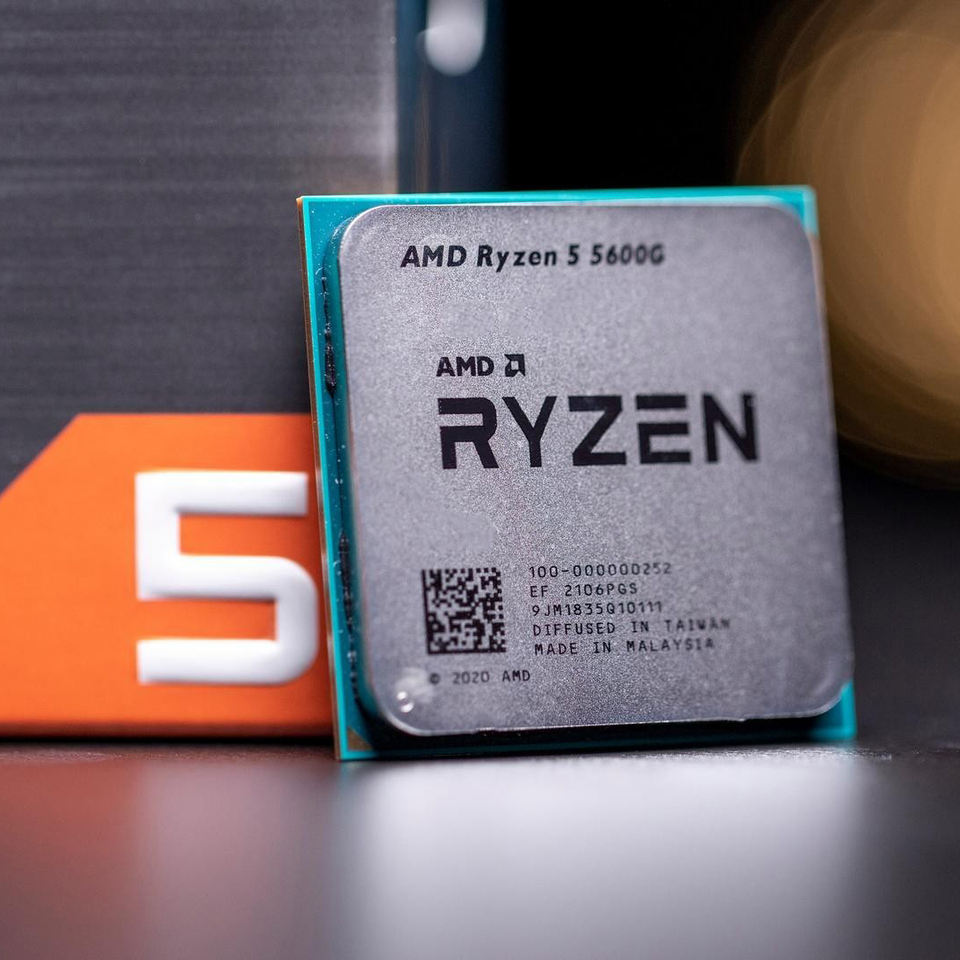

Best Graphics Cards For Ryzen 5 5600G Picks 2026 Graphics Cards For Ryzen 5 5600G 768x419 . 2026 NEW R5 5600G 7nm Zen 3 APU For Office Light Gaming No GPU Needed 960x960q80 . 10 Best Graphics Cards For Ryzen 5 5600G May 2026 Best Graphics Cards For Ryzen 5 5600G 1024x559 . Is Ryzen 5 5600G Good For Gaming E2Blogs Is Amd Ryzen 5 5600G Good For Gaming . Is The 5600G Good For Gaming WePC IS The Ryzen 5 5600G Good For Gaming


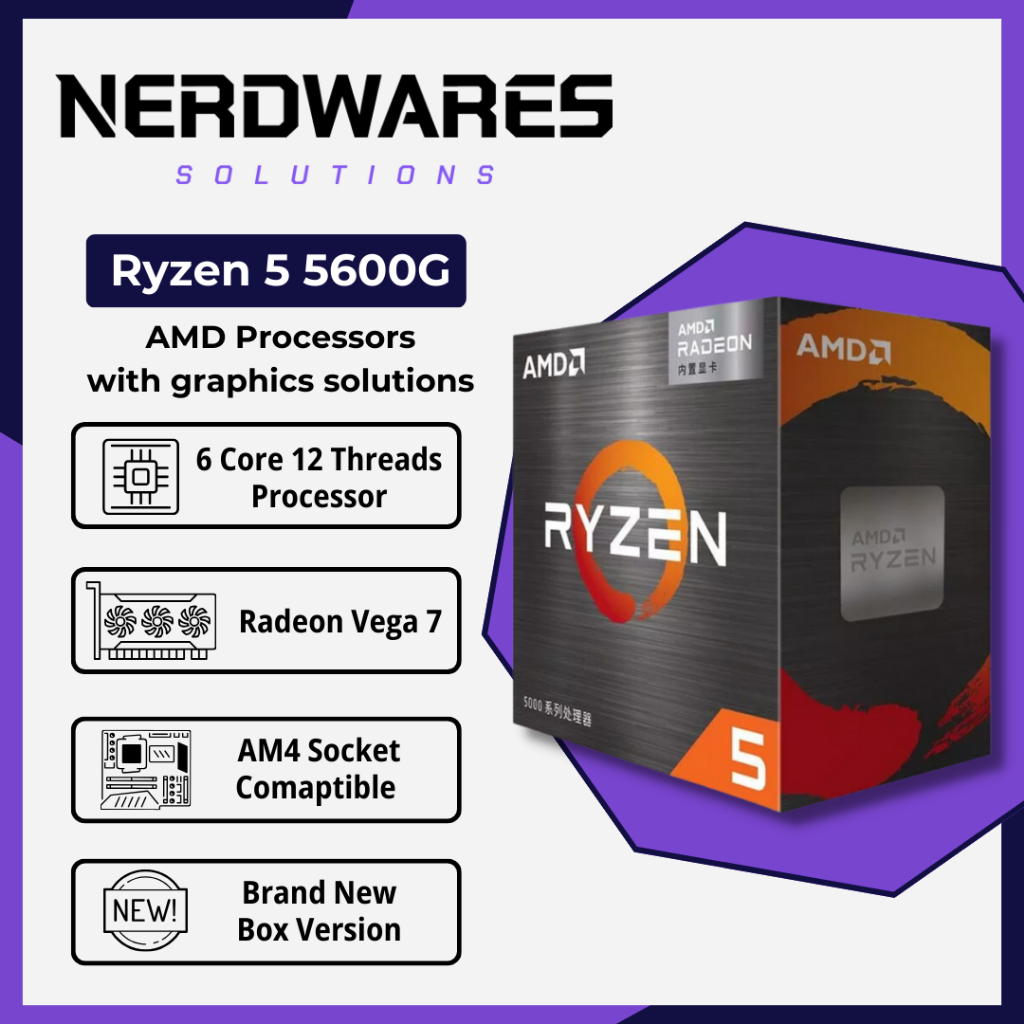

Is Ryzen 5 5600G Good For Gaming Ryzen 5 5600G Is It Good For Gaming . Rakit PC 6 Jutaan Sekarang Di 2026 Gaming RGB AMD Ryzen 5 5600G Vega 7 . 5600g Best Prices And Online Promos Jun 2026 Shopee Philippines Ph 11134207 7rasf. AMD Ryzen 5 5600G Review Ryzen 5 5600G Or Ryzen 5 5600X 3400G Vs . 8 Best Graphics Cards For Ryzen 5 5600G June 2026 Buying Guide Best Graphics Cards For Ryzen 5 5600G 1024x559


Top 3 Best GPUs For The Ryzen 5 5600G In 2025 Best Motherboard Zone Best GPUs FOR RYZEN 5 5600G . 5 Best GPU For Ryzen 5 5600G In 2023 I Best Graphics Card For Ryzen 5 . Review AMD Ryzen 5 5600G Ryzen 5 5600G Radeon Graphics Games Benchmark 1080P . S The AMD Ryzen 5 5600G Still Great In 2026 Review Is The AMD Ryzen 5 5600G Still Worth It In 2025 768x512 . 7 Best GPU For Ryzen 5 5600G In 2026 Compatible Picks Best Graphics Card For Ryzen 5 5600g 3.webp

12 Best Graphics Cards For Ryzen 5 5600G March 2026 Reviews B0F8L759L4 Customer 5 1024x576 . Is The Ryzen 5 5600G Still Good For GAMING YouTube . Is Ryzen 5 3500U Good For Gaming Or Office Work In 2025 . Is Ryzen 5 3500U Good For Gaming Or Office Work In 2025 . 12 Best Graphics Cards For Ryzen 5 5600G March 2026 Reviews Best Graphics Cards For Ryzen 5 5600 768x419


8 Best Graphics Cards For Ryzen 5 5600G June 2026 Buying Guide B0DQK4XSC7 Customer 1 768x1024 . Is The Ryzen 5 5600G CPU Good For Gaming Amd 5600g For Gaming.webp. Best Affordable GPUs For Ryzen 5 5600G Item Level Gaming Best Affordable Gpu For Ryzen 5 5600g . 12 Best Graphics Cards For Ryzen 5 5600G March 2026 Reviews B0F8L759L4 Customer 1 6 768x432 . Is The Ryzen 5 5600G CPU Good For Gaming Amd 5600g For Gaming.webp
8 Best Graphics Cards For Ryzen 5 5600G June 2026 Buying Guide B0F8LDHQ7Y Customer 1 768x1024 . 10 Best Graphics Cards For Ryzen 5 5600G May 2026 B0F76KGH6B Customer 2 . Is Ryzen 5 3500U Good For Gaming Or Office Work In 2025 . 8 Best Graphics Cards For Ryzen 5 5600G June 2026 Buying Guide B0F8T73MZP Customer 1 . Is Ryzen 5 3500U Good For Gaming Or Office Work In 2025


How To Choose The Best AMD Ryzen 5 5600G For Budget Gaming And . AMD RYZEN 5 5600G STILL WORTH IT IN 2024 IS RYZEN 5 5600G GOOD FOR . Is Ryzen 5 3500U Good For Gaming Or Office Work In 2025 . 12 Best Graphics Cards For Ryzen 5 5600G March 2026 Reviews B08WPRMVWB Customer 1 43 1024x768 . 5 Best GPUs For Ryzen 5 5600g In 2024 YouTube