Navigating the world of gaming PCs can be daunting especially when seeking the perfect balance between performance value and reliability for your busy life An ASUS gaming desktop PC offers a powerful solution designed to deliver immersive experiences without constant headaches This comprehensive guide cuts through the technical jargon providing essential information and practical tips for US gamers Discover how to choose the right model optimize your settings for popular titles troubleshoot common issues and even upgrade components effectively We cover everything from initial setup to long-term maintenance ensuring your ASUS rig remains a high-performing companion for relaxation skill-building and social play Understand why an ASUS gaming desktop PC is a smart investment for those balancing work family and a passion for virtual worlds
What are the top ASUS gaming desktop PC models for 2026? How much does a good ASUS gaming desktop PC cost? Are ASUS gaming desktop PCs reliable for long-term use? Can I build my own PC with ASUS components instead of buying a prebuilt? Where can I find reviews for ASUS gaming desktop PCs?Q: What makes an ASUS gaming desktop PC a smart choice for balancing work and play?
A: An ASUS gaming desktop PC is engineered for reliability and powerful performance right out of the box, which is crucial for gamers juggling jobs and families. These systems minimize setup hassle and troubleshooting, letting you maximize your precious gaming time. ASUS's reputation for quality means fewer unexpected issues, offering a consistent and immersive escape for relaxation or social engagement without demanding constant attention or complex DIY solutions.
Q: How do I ensure my ASUS gaming desktop PC is ready for the latest popular games like Palworld or Helldivers 2?
A: To stay game-ready with your ASUS gaming desktop PC, focus on three things: current drivers, system optimization, and realistic settings. Always keep your graphics drivers updated from NVIDIA or AMD's official sites. Use ASUS's Armoury Crate software to manage performance profiles and monitor temperatures. For new, demanding titles, start with optimized in-game settings—often "High" or "Medium"—and leverage upscaling technologies like DLSS or FSR for a frame rate boost without significant visual compromise. This ensures smooth gameplay for trending co-op experiences.
Q: What's the optimal setup for an ASUS gaming desktop PC to get smooth 1440p gaming?
A: For buttery-smooth 1440p gaming on your ASUS gaming desktop PC, aim for a system with at least an NVIDIA RTX 4070 Super or AMD RX 7800 XT graphics card, paired with an Intel Core i7 13th Gen/Ryzen 7 7000 series CPU. Crucially, ensure you have 32GB of DDR5 RAM running at 5600MHz or higher. A fast NVMe SSD for game installations is non-negotiable for quick loading. Don't forget a high-refresh-rate 1440p monitor (144Hz+) to fully appreciate the smooth visuals. This combination provides excellent performance in most modern AAA titles and competitive esports.
Q: Can I easily upgrade my ASUS gaming desktop PC components, especially the GPU or RAM?
A: Yes, one of the significant advantages of an ASUS gaming desktop PC is its designed upgradeability. Most models offer standard components, making GPU and RAM upgrades relatively straightforward. You can typically add more DDR4 or DDR5 RAM (check your motherboard's maximum capacity) or swap out your graphics card for a newer, more powerful model, provided your power supply can handle it. Adding an additional NVMe or SATA SSD for more storage is also a simple process. Always verify component compatibility with your specific ASUS model before purchasing new parts.
Q: What are the best budget-friendly ASUS gaming desktop PC options for new gamers?
A: For new gamers or those on a budget, an ASUS gaming desktop PC from the TUF Gaming series often provides exceptional value. Look for models featuring an Intel Core i5 or AMD Ryzen 5 processor (12th Gen or newer for Intel, 5000 series or newer for AMD) and an NVIDIA GeForce RTX 3050/4050 or AMD Radeon RX 6600/7600 graphics card. Paired with 16GB of DDR4 RAM and a 512GB NVMe SSD, these configurations deliver solid 1080p performance for popular esports titles, indie games, and many AAA games with adjusted settings, providing a great entry point into PC gaming without breaking the bank.
Q: How does an ASUS gaming desktop PC handle multitasking, like gaming while streaming on Discord or browsing?
A: An ASUS gaming desktop PC excels at multitasking thanks to its powerful multi-core processors and ample RAM. Modern Intel Core i7/i9 or AMD Ryzen 7/9 CPUs efficiently manage simultaneous demanding tasks. With 32GB of DDR5 RAM, you can comfortably run a graphically intensive game, chat on Discord with friends, have a game guide open in your browser, and even run background recording software like OBS, all without noticeable performance degradation. This capability is essential for the social, connected gamer of today who values seamless interaction while playing.
Q: What are crucial maintenance tips for my ASUS gaming desktop PC to prolong its life?
A: To significantly extend the life and maintain peak performance of your ASUS gaming desktop PC, prioritize regular physical and software maintenance. Physically, clean dust from fans and vents every 3-6 months using compressed air, and ensure good airflow around the chassis. Software-wise, keep your operating system, graphics drivers, and ASUS utilities (like Armoury Crate) updated. Run antivirus scans regularly, uninstall unused programs, and monitor system temperatures. These steps prevent overheating, ensure stability, and keep your system running smoothly for years, safeguarding your investment.
Life as a modern gamer is a balancing act. You're not just about chasing high scores; you're also managing work, family, and the everyday hustle. That precious time you carve out for gaming should be about relaxation, fun, and perhaps a little skill-building, not wrestling with a slow, unreliable machine. If you've ever felt frustrated by stuttering frame rates, endless loading screens, or complicated setup processes, you're not alone. The average US gamer, around 36 years old, plays regularly, often dedicating 10+ hours a week to their passion. They demand performance that keeps up with their limited gaming windows and a system that offers value without constant upgrading.
This is where an ASUS gaming desktop PC truly shines. Renowned for their robust engineering and cutting-edge components, ASUS offers a range of pre-built systems designed to take the guesswork out of high-performance gaming. This guide is crafted specifically for you – the dedicated gamer who wants to jump straight into the action, connect with friends, and experience the latest titles without the headache. We'll explore how an ASUS gaming desktop PC can fit seamlessly into your busy life, offering practical solutions to common pain points, from initial setup to optimizing for the most trending games this month.
Why Choose an ASUS Gaming Desktop PC for Your Lifestyle?
For many adult gamers, time is a premium commodity. An ASUS gaming desktop PC offers a "plug-and-play" advantage over custom builds, saving you hours of research and assembly. ASUS is synonymous with quality and reliability, meaning less time troubleshooting and more time actually playing. With robust cooling solutions, reliable power delivery, and carefully selected components, an ASUS system provides the stability needed for those intense multiplayer sessions or a quick, satisfying single-player escape after a long day. This brand loyalty is well-earned, as ASUS consistently delivers systems that perform admirably right out of the box, letting you focus on the game, not the setup.
Moreover, ASUS understands the diverse needs of gamers, offering everything from entry-level rigs to enthusiast-grade powerhouses. This means you can find an ASUS gaming desktop PC that aligns perfectly with your budget and performance expectations, ensuring you're not overpaying for features you don't need, or under-speccing for the games you love. It's about value for money, allowing you to invest in a machine that performs reliably for years, keeping you current without constant upgrades.
How Do I Pick the Right ASUS Gaming Desktop PC Model?
Choosing the perfect ASUS gaming desktop PC depends on your budget, the games you play, and your future aspirations. Start by identifying your primary gaming resolution (1080p, 1440p, 4K) and desired frame rate. For casual 1080p gaming and popular social titles like Palworld or Helldivers 2, a mid-range system with an RTX 4060 or RX 7600 GPU, coupled with an Intel Core i5 or AMD Ryzen 5 processor, is often sufficient. If you aim for 1440p high refresh rates or delve into demanding AAA titles, look towards an RTX 4070/RX 7800 XT and an i7/Ryzen 7. For 4K or VR experiments, consider top-tier GPUs like the RTX 4080/4090 and powerful i9/Ryzen 9 CPUs.
Beyond the core components, consider storage (NVMe SSDs are essential for fast loading), RAM (16GB is the current sweet spot, 32GB for heavy multitasking), and cooling (liquid cooling is beneficial for higher-end processors). ASUS's ROG (Republic of Gamers) series typically offers premium performance and features, while TUF Gaming provides excellent value and durability. Carefully review the specifications against your gaming habits and expected use.
What Are the Must-Have Specs for an ASUS Gaming PC in 2026?
In 2026, a truly capable ASUS gaming desktop PC for the discerning gamer balancing life and leisure should prioritize a few key specifications for longevity and performance. Aim for at least an Intel Core i7 13th/14th Gen or AMD Ryzen 7 7000/8000 series processor. These CPUs offer excellent multi-core performance for gaming, streaming, and background applications without breaking a sweat. Graphics-wise, an NVIDIA GeForce RTX 4070 Super or AMD Radeon RX 7800 XT should be considered the minimum for enjoying modern titles at 1440p with high frame rates, especially with ray tracing on older titles.
Memory should be 32GB of DDR5 RAM running at 5600MHz or higher. While 16GB is currently acceptable, 32GB provides a comfortable buffer for future games, intensive multitasking, and Discord voice chats. Storage is crucial: a 1TB NVMe PCIe Gen4 SSD should be your primary drive for the OS and main games, supplemented by a larger 2TB HDD or SATA SSD for your ever-growing game library. Good power supply (750W 80+ Gold) and robust cooling are also non-negotiable for system stability and longevity.
How Can I Optimize My ASUS Gaming Desktop PC for Peak Performance?
Optimizing your ASUS gaming desktop PC isn't just for hardcore enthusiasts; it's about making the most of your investment and limited gaming time. First, ensure your graphics drivers are always up-to-date. NVIDIA and AMD frequently release game-ready drivers that can significantly boost performance in new titles. Second, utilize ASUS's proprietary software, like Armoury Crate, to monitor system temperatures, adjust fan curves, and enable performance profiles. These tools can automatically tweak settings for optimal gameplay.
Within Windows, disable unnecessary startup programs and background apps that consume RAM and CPU cycles. Use Windows' Game Mode for prioritizing gaming resources. In-game settings are also key: start by lowering shadows, anti-aliasing, and complex lighting effects before reducing texture quality. Many games now feature upscaling technologies like DLSS (NVIDIA) or FSR (AMD), which can provide a substantial frame rate boost with minimal visual impact. Finally, keep your system clean – physically, by dusting fans and vents, and digitally, by regularly clearing temporary files and defragmenting HDDs (though not necessary for SSDs).
What Games Are Best for a Busy Gamer on an ASUS PC This Month?
Balancing work and play means your gaming time is precious. This month, look for titles that offer great value, engaging experiences, and flexibility for shorter play sessions or longer immersions on your ASUS gaming desktop PC. Social games are booming, with 87% of US gamers engaging regularly, often for 10+ hours a week, and an increasing trend towards cross-play. Games like Palworld and Helldivers 2 are perfect for quick co-op sessions with friends, offering satisfying progression without massive time commitments for each session. Their vibrant communities are easily accessible via Discord.
For stress relief and solo unwinding, cozy games or roguelikes like Hades II (early access) or Stardew Valley offer rewarding loops that can be picked up and put down easily. Many free-to-play titles, such as Valorant or Apex Legends, provide competitive thrills without an initial investment, fostering strong social connections. Esports viewing is also huge, and even if you don't compete, an ASUS PC ensures smooth viewing. Don't forget major single-player titles that offer robust save systems, allowing you to savor epic stories at your own pace. With mobile gaming still dominant, many PC titles now offer cross-platform features, expanding your social circle.
How Do I Troubleshoot Common Issues with My ASUS Gaming Desktop?
Even the most reliable ASUS gaming desktop PC can encounter hiccups. When facing issues, a systematic approach saves time. First, always perform the basics: ensure all cables are securely connected (power, display, peripherals), restart your PC, and check for Windows and driver updates. For performance drops, monitor your CPU and GPU temperatures using software like HWMonitor or ASUS Armoury Crate; overheating is a common culprit. If a specific game crashes, verify its file integrity through the game launcher (Steam, Epic Games Store).
Display issues? Try a different monitor cable or port. No sound? Check Windows sound settings, speaker connections, and ensure drivers are updated. For persistent software problems, a clean reinstall of the problematic application or game might be necessary. If you suspect hardware, run ASUS's diagnostic tools, often accessible via the BIOS or through Armoury Crate. When in doubt, search ASUS's extensive support forums or contact their customer service; many common issues have readily available solutions.
When Should I Consider Upgrading My ASUS Gaming PC Components?
Upgrading your ASUS gaming desktop PC on a budget is a smart way to extend its lifespan and maintain performance, rather than buying a whole new system every few years. Typically, the GPU is the first component to show its age, especially if you're aiming for higher resolutions or newer, more graphically demanding games. If you notice significant frame rate drops in new titles even after optimizing settings, it might be time for a GPU upgrade. RAM is another easy and impactful upgrade; if you're often hitting 100% RAM usage, jumping from 16GB to 32GB can drastically improve multitasking and game performance.
Storage upgrades are also common. Adding a larger NVMe SSD will provide faster loading times and more space for your growing game library. CPU upgrades are more complex and depend on your motherboard's socket compatibility. If your current CPU is bottlenecking a new GPU, or if you're venturing into CPU-intensive tasks like video editing or streaming, then a CPU upgrade might be worthwhile. Always research compatibility and ensure your power supply can handle the new components.
Can My ASUS Gaming Desktop PC Handle Social Gaming and Streaming?
Absolutely! An ASUS gaming desktop PC is well-equipped for the social aspects of modern gaming, which is a significant trend among Gen Z and Millennial gamers. With robust processors and ample RAM, these systems effortlessly handle running popular titles while simultaneously communicating on Discord, browsing guides, or managing other applications. Many ASUS models come with advanced networking hardware, ensuring stable, low-latency connections crucial for competitive multiplayer.
For aspiring streamers or content creators, an ASUS gaming desktop PC provides a solid foundation. Modern GPUs from NVIDIA (RTX series) include dedicated encoder chips (NVENC) that allow you to stream high-quality video with minimal impact on gaming performance. Paired with a capable CPU, you can easily run OBS Studio or Streamlabs, capture your gameplay, and engage with your community. Whether it's co-op adventures, competitive esports, or just hanging out in virtual worlds, your ASUS rig is designed to keep you connected and performing at your best.
How to Keep My ASUS Gaming PC Running Smoothly and Extend Its Lifespan?
Maintaining your ASUS gaming desktop PC is crucial for consistent performance and longevity. Regular cleaning is paramount. Dust accumulation is a PC killer, hindering airflow and causing components to overheat. Once every three to six months, gently clean out dust from your fans, heatsinks, and vents using compressed air. Ensure your PC is in a well-ventilated area, not cramped in a cabinet. Software maintenance is equally important.
Keep your operating system and all drivers (especially graphics and chipset) updated. Run regular antivirus/anti-malware scans to protect against malicious software that can degrade performance. Periodically review your installed programs and uninstall anything you no longer use. Monitor your hard drive health and storage space, ensuring you have at least 15-20% free space on your primary drive. Lastly, ensure your power supply is adequate for your components and consider a UPS (Uninterruptible Power Supply) for protection against power fluctuations.
Your gaming journey doesn't have to be a struggle between performance and your real-world responsibilities. An ASUS gaming desktop PC offers a powerful, reliable, and user-friendly platform designed for the modern gamer who values their time and their passion. By understanding your needs, choosing the right model, and following these optimization and maintenance tips, you can ensure your ASUS rig remains a source of relaxation, fun, and connection for years to come. Dive in, game on, and make every moment count!
What's your biggest gaming challenge with your current setup? Comment below!
FAQ Section
What is the best ASUS gaming desktop PC for a casual gamer? For casual gamers who enjoy popular titles like Minecraft or Fortnite and want reliable performance, an ASUS ROG Strix GA15 or TUF Gaming GT301 with an Intel Core i5/Ryzen 5 and an RTX 4060 provides excellent value and smooth gameplay without overspending.
How often should I update drivers on my ASUS gaming PC? You should aim to update your graphics drivers (NVIDIA/AMD) whenever new game-ready drivers are released for major titles or about once a month. Other drivers, like chipset or audio, can be updated less frequently, perhaps every 2-3 months or when experiencing issues.
Can I upgrade my ASUS prebuilt gaming PC? Yes, most ASUS gaming desktop PCs are designed with upgradeability in mind. Common upgrades include adding more RAM, a larger SSD, or a more powerful graphics card. Always check your specific model's manual for component compatibility and power supply limitations.
Is an ASUS gaming desktop PC good for streaming? An ASUS gaming desktop PC with a modern CPU (Intel Core i7/Ryzen 7 or better) and GPU (RTX 4070 or equivalent) is very capable for streaming. NVIDIA's NVENC encoder is particularly beneficial for streaming with minimal performance impact on your game.
What is ASUS Armoury Crate software for? ASUS Armoury Crate is a centralized utility that allows you to monitor system performance, customize RGB lighting, adjust fan speeds, manage game profiles, and update drivers for your ASUS components. It’s a powerful tool for optimizing your gaming experience.
How do I connect my ASUS gaming PC to two monitors? Most ASUS gaming desktop PCs have multiple display outputs (HDMI, DisplayPort) on their graphics card. Simply connect each monitor to a separate port. Windows will automatically detect both, and you can configure their arrangement and display mode (extend, duplicate) in the Display Settings.
ASUS Gaming Desktop PC delivers powerful performance, reliable components, and innovative cooling. It offers a wide range of models catering to various budgets and gamer needs, ensuring smooth gameplay, vibrant graphics, and future upgradeability. The focus is on providing a seamless and immersive gaming experience for both casual players and competitive enthusiasts. ASUS systems often include user-friendly software for optimization and customization.
33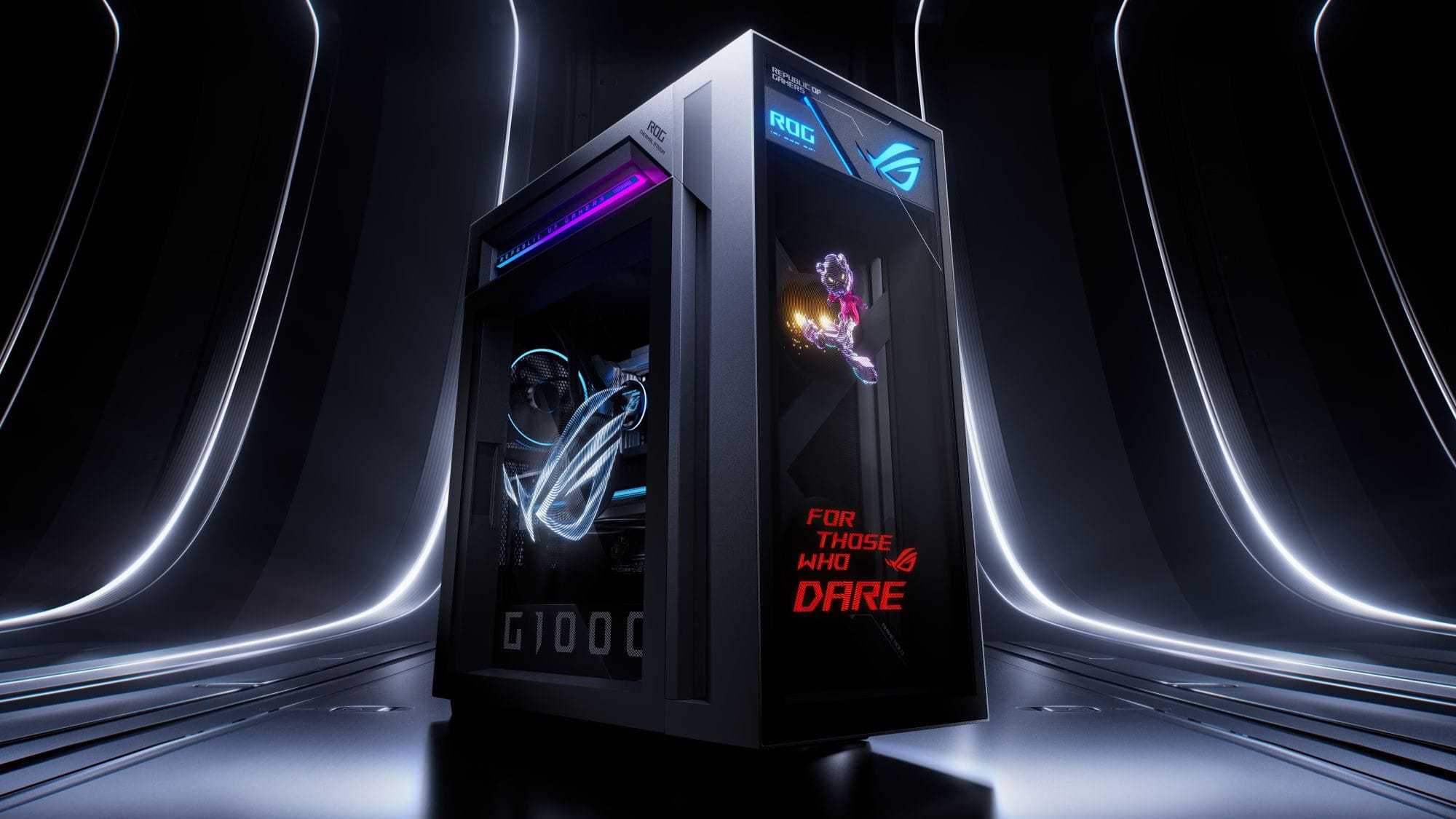

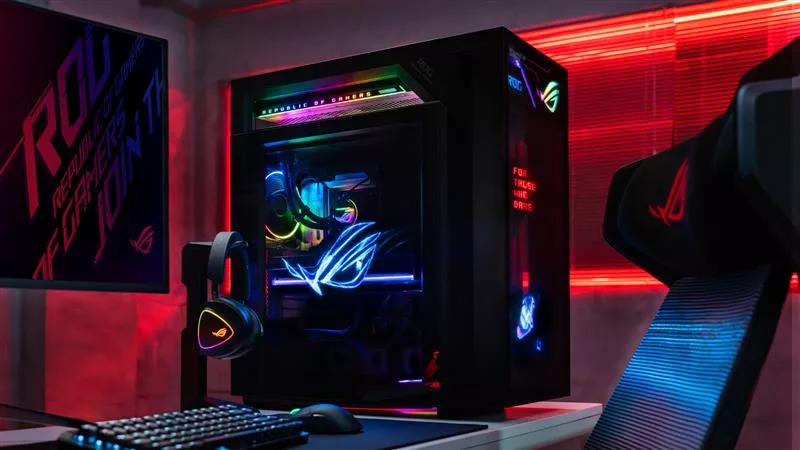

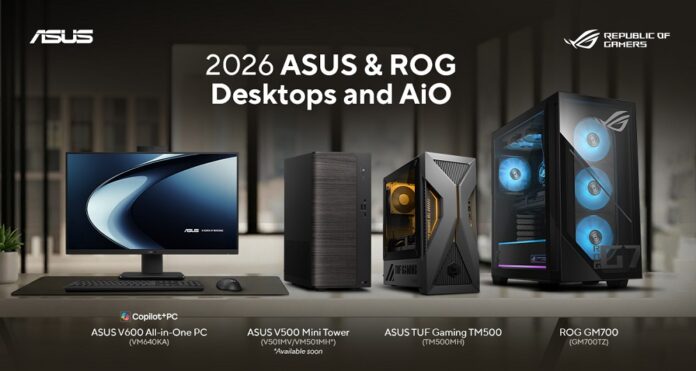
Everything ASUS ROG Announced At CES 2026 Gaming Laptops OLED Gaming Desktop . CES 2026 This Asus Gaming Desktop Can Project Custom Holograms Hero . Check Out The Latest ROG Gaming Gear Revealed At CES 2026. ASUS Announces 2026 And Gaming Desktop Lineup Asus Announces 2026 And Gaming Desktop Lineup 2 1024x576 . Asus Unveils 2026 Lineup Of All In One PCs Gaming Desktops In PH ASUS Announces 2026 All In One PCs And Desktops In The Philippines Priced 696x371

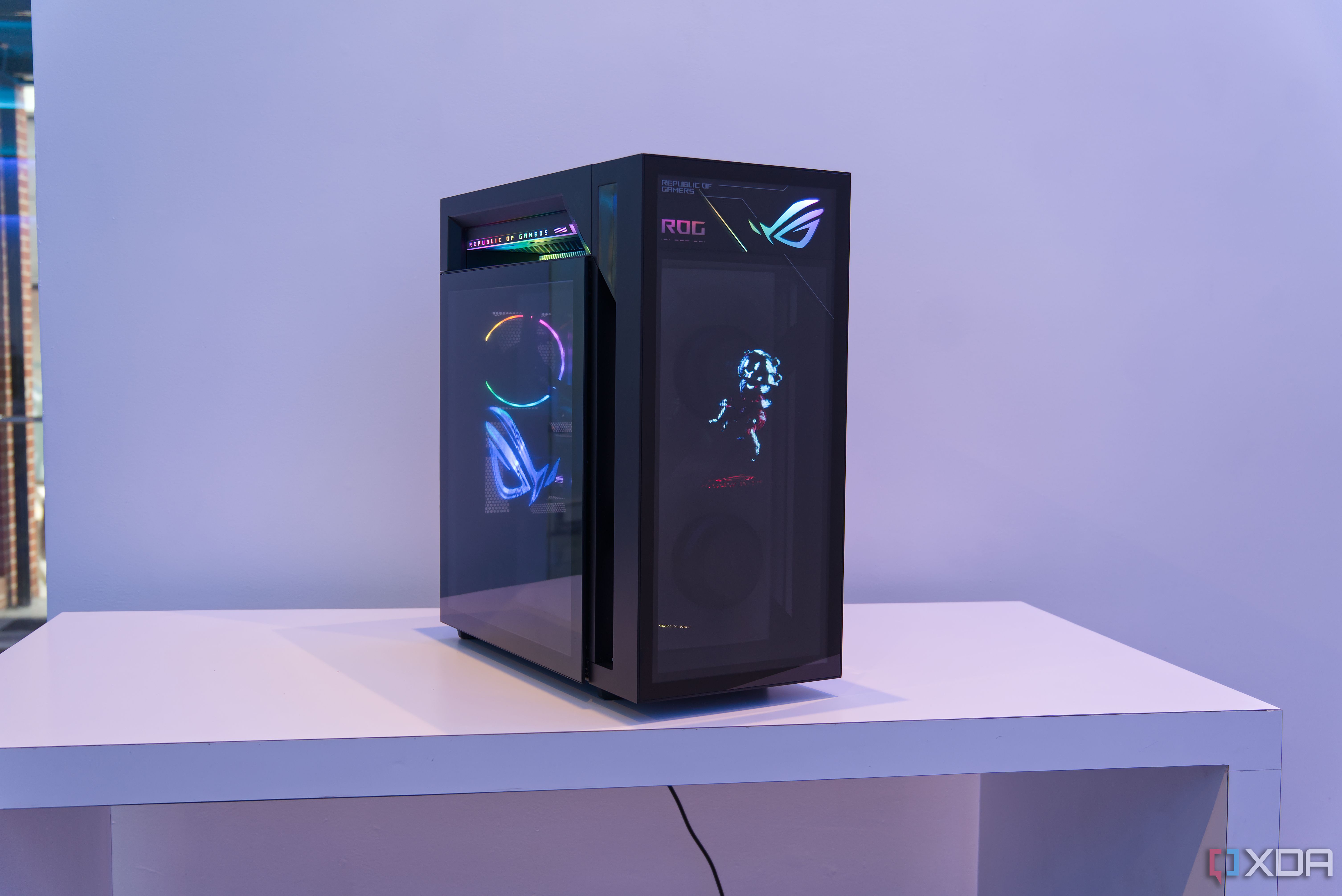


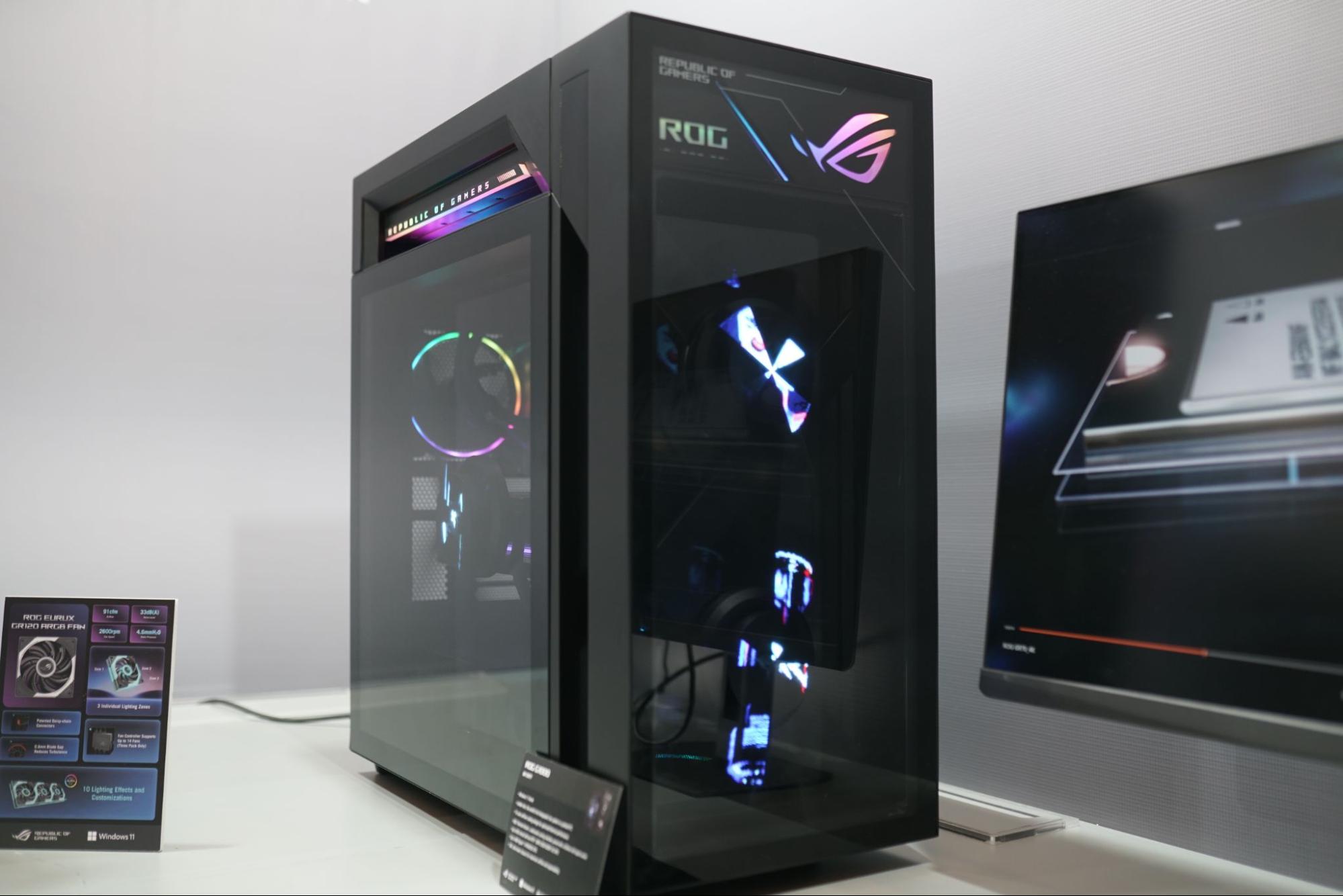
Pc Gaming Archive For January 2026 Page 6 The Verge 258167 Asus ROG G1000 Gaming Desktop AniMe Holo CES 2026 0001 . Asus ROG Unveils A Stunning Upgradeable Desktop And Refreshed Laptops Asus Rog G1000 . ASUS Republic Of Gamers Named Official Monitor PC And Peripheral Template For POST 1200 X 628 Px 38 . CES 2026 ASUS D Voile Ses Nouveaux PC Gaming ROG Avec RTX 5090 Et 2026 ROG Zephyrus Duo 1176x662 . Microsoft Brings AI Powered Assistance To Gaming Copilot Gaming Beta
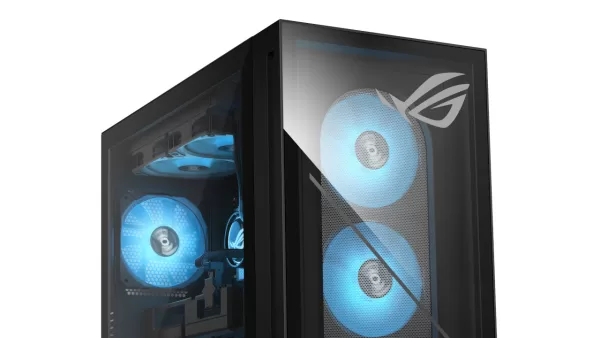
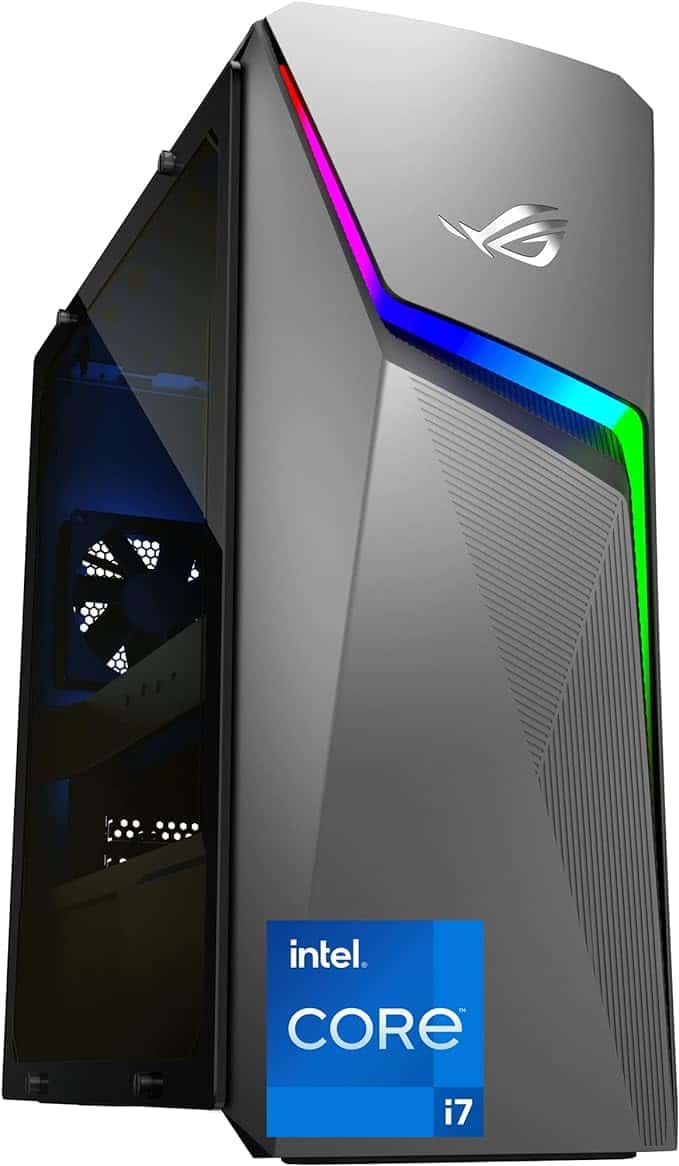

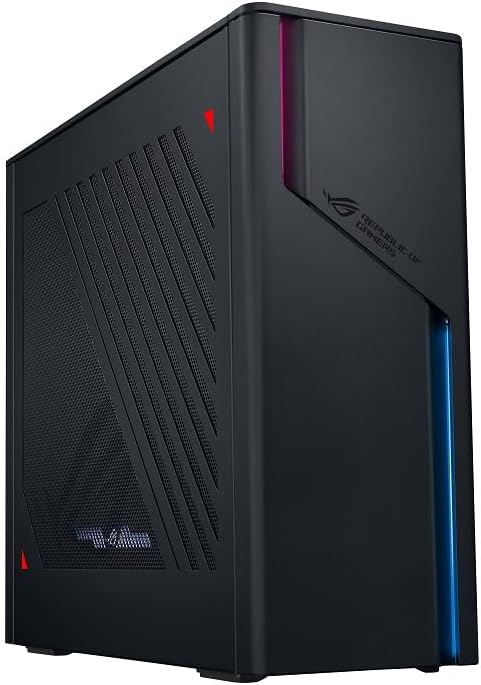

ASUS Reveals Price Of 2026 All In One PC And Desktop Asus Aio Desktop Pc Lineup 2026. Best ASUS Gaming PC In 2026 Our Top Picks PC Guide AC SX679 . ASUS Unveils Full Spectrum AI And Always Incredible Innovations At CES CES 2026 ASUS NUC Mini PC PR Photo . Best ASUS Gaming PC In 2026 Our Top Picks PC Guide AC SY879 . ASUS Republic Of Gamers Announces GT51CA ROG Republic Of Gamers Global




Asus Gaming PC Guide Exploring The High Performance Gamer Insight Hub 612JcLg CdL . ASUS ROG A Complete Gaming Ecosystem Seen Firsthand CES 2026 G 129b3e09 Asus Rog 20th Ces 2026 1200x624 1 . Asus ROG CES 2026 Zephyrus Laptops G1000 Desktop For UAE Asus Rog Ces 2026 News Uae . Here S ASUS 2026 Desktop Line In The Philippines ASUS V600 AiO 1536x1536 . CES 2026 ASUS Presenta El Nuevo ROG Zephyrus Duo 16 2026 Con Doble Asus Ces 2026 Zephyrus 13 G


ASUS ROG Gaming Neuheiten Auf Der CES 2026 Asus Rog Gaming Neuheiten Auf Der Ces 2026 105260 L5 . Asus TUF Gaming Desktops Upgraded For 2026 With AMD Radeon 9060 XT And Asus Tuf Gaming T500 Ces 2026 1 . ASUS ROG G16CH 2024 Gaming Desktop PC Intel Core I7 14700F NVIDIA 83 221 791 06 . CES 2026 ASUS ROG Unveils Next Gen Zephyrus Dual Screen Gaming Laptop ASUS ROG CES 2026 . Amazon Com ASUS 2026 ROG G22CH High Performance Gaming Desktop Intel AC SL1500

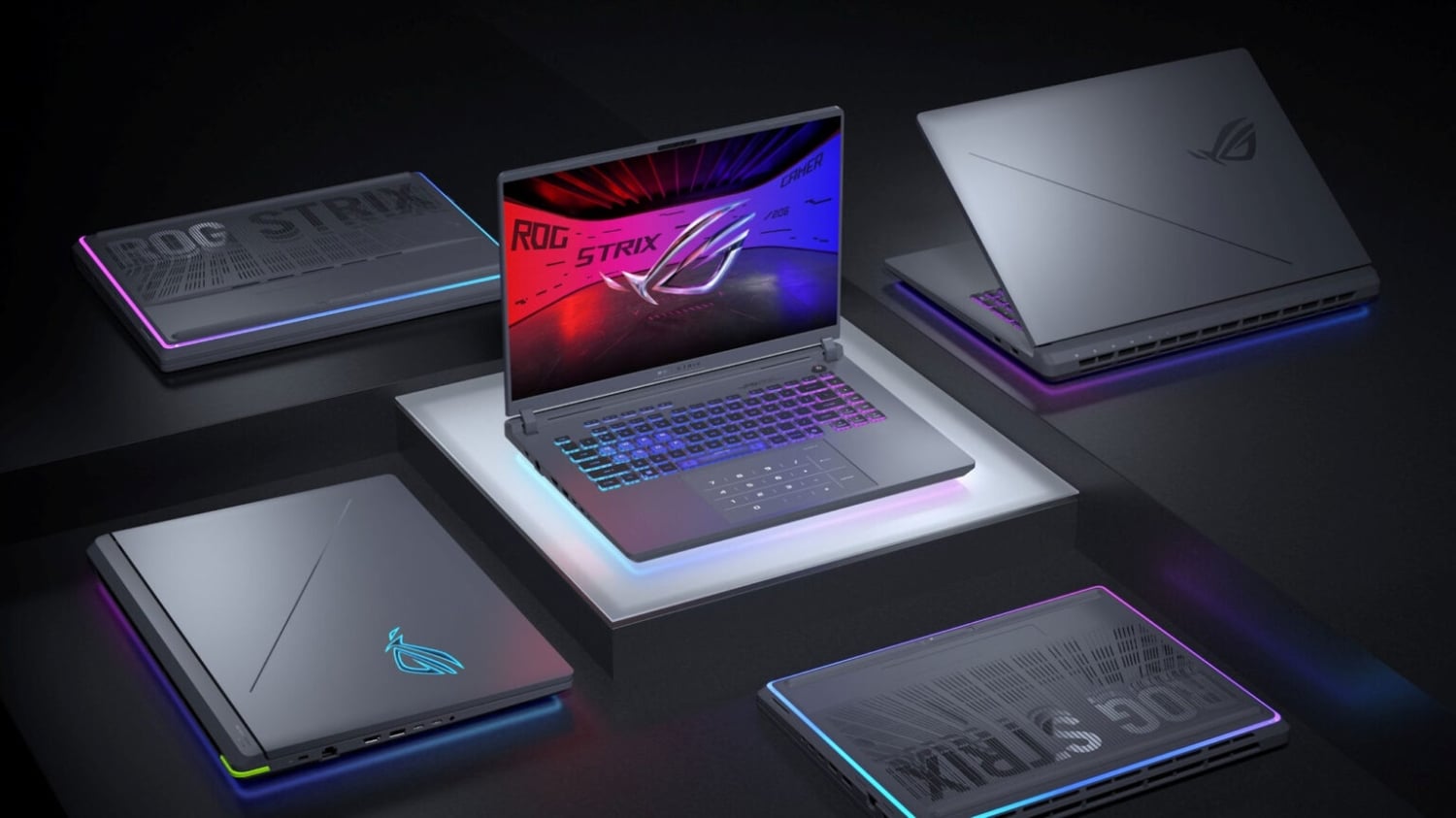


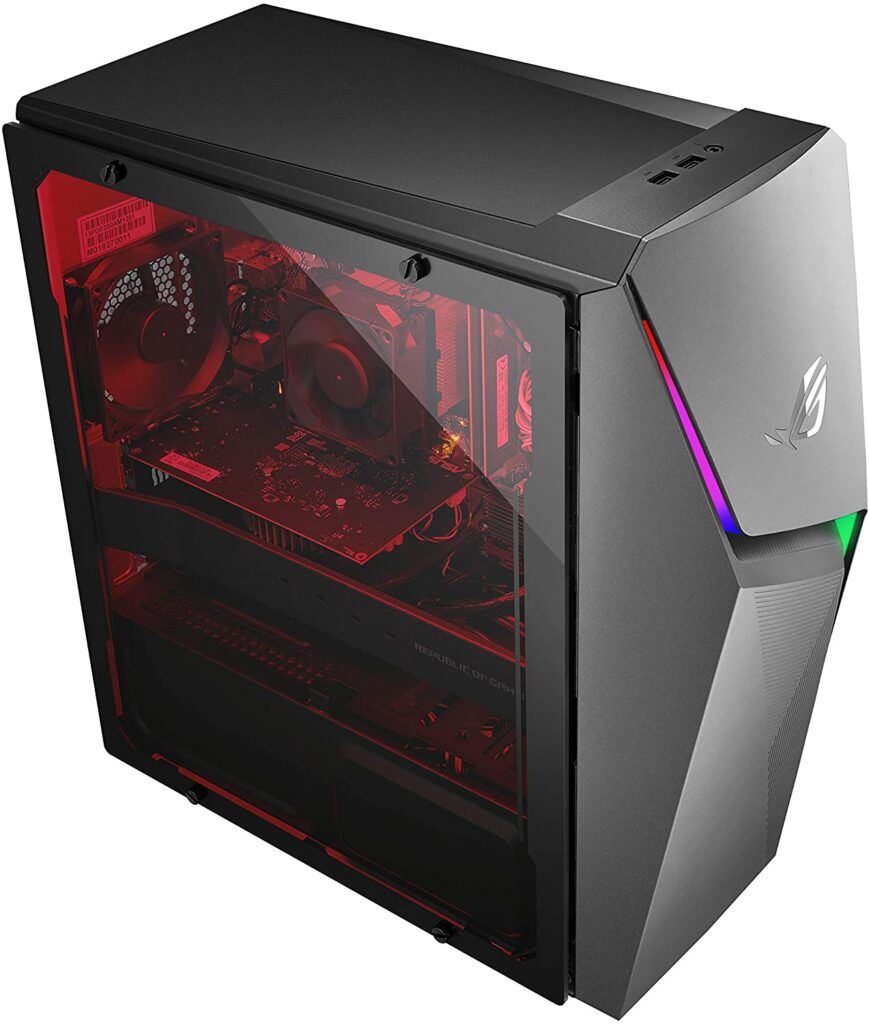
ASUS CES 2026 Preview The Outrageous The Respectable And The Innovative MixCollage 06 Jan 2026 12 20 PM 7168 . ASUS ROG Showcase At CES 2026 Confirmed With New Gaming Gear Laptops 109228 43 Asus Rog Showcase At Ces 2026 Confirmed With New Gaming Gear Laptops And Future Technology Full . ASUS Revives Dual Screen Gaming With The 2026 ROG Zephyrus Duo ASUS ROG Zephyrus Duo 2026 Dual Screen Gaming Laptop Announced 20260106 183007 . ASUS Unveils 2026 AI PCs Gaming Desktops In PH Thumb. Best Asus Gaming PC In 2026 Budget Price CHEAPEST ROG Strix GL10DH 869x1024
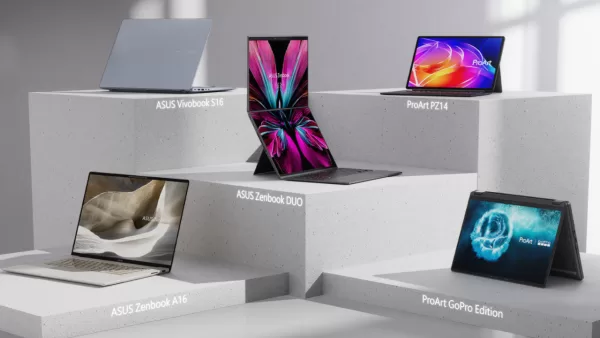
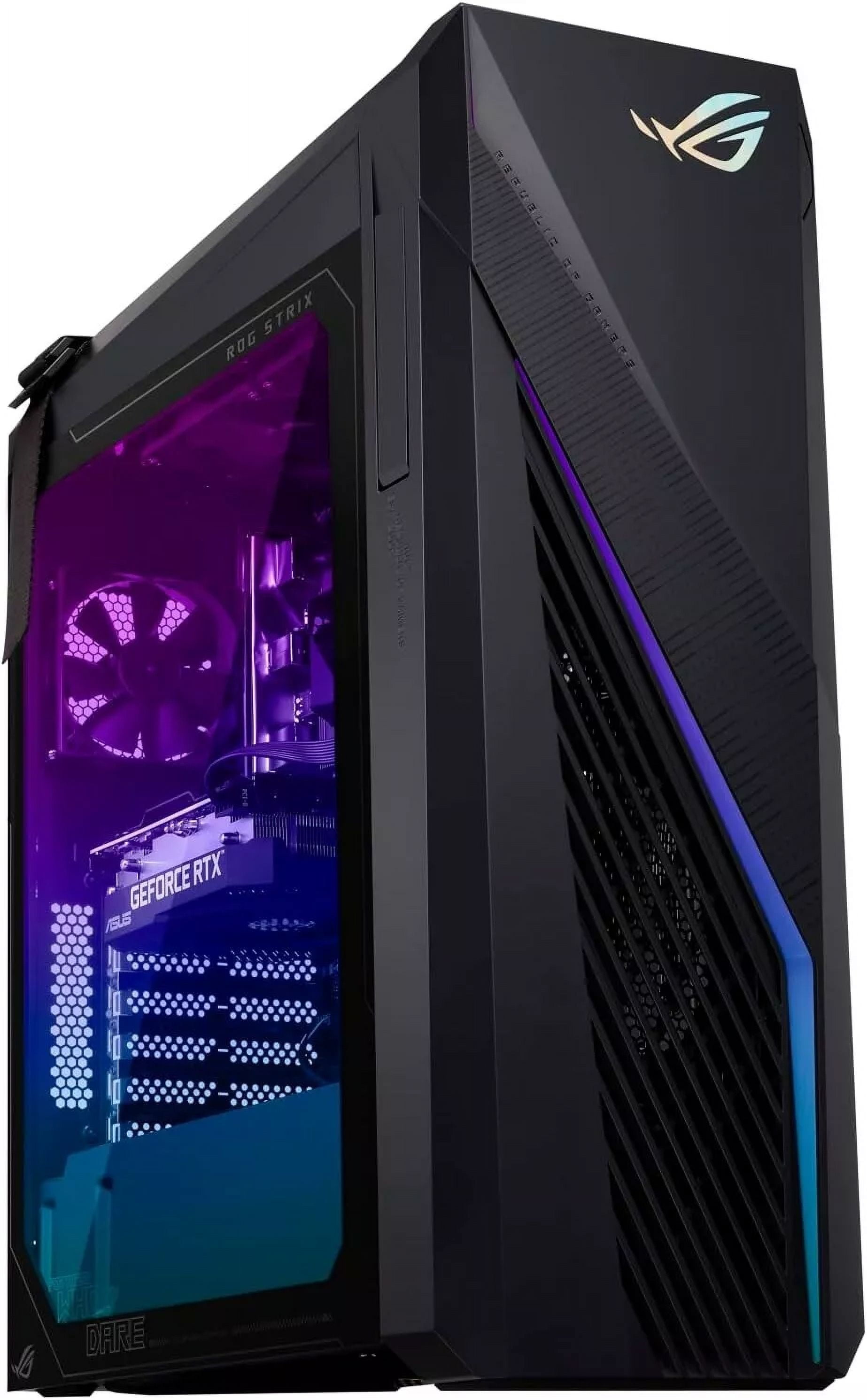
ASUS Showcases New AI PC Lineup At CES 2026 UnGeek Asus Ces 2026 Laptop Lineup. ASUS ROG G16CH 2024 Gaming Desktop PC Intel Core I7 14700F NVIDIA ASUS ROG G16CH 2024 Gaming Desktop PC Intel Core I7 14700F NVIDIA GeForce RTX 4060Ti DUAL 1TB PCIe Gen4 SSD 32GB DDR5 RAM Windows 11 G16CHR AS766Ti Fbb1786d B7a2 495e 9d47 . Asus ROG G700 G700TF DS764Ti Gaming Desktop Computer Intel Core Ultra ASUS Gaming Desktop PC G700TF DS764Ti Intel Core Ultra 7 265F 16GB DDR5 GeForce RTX 4060 Ti Windows 11 Home Aa2dac9c Eae0 4e85 A831