Are you a dedicated gamer balancing work, family, and your passion, finding your prebuilt PC struggling with the latest titles? Many US gamers, average age around 36, face the dilemma of an aging rig and the desire for better performance without breaking the bank. This comprehensive guide answers all your questions about whether you can upgrade prebuilt PCs, what components are easiest to swap, and how to maximize your gaming experience on a budget. We dive into compatibility checks, common upgrade pitfalls, and the real value of refreshing your existing setup versus buying new. With 87% of US gamers regularly spending 10+ hours a week in virtual worlds, often on a mix of mobile and PC, optimizing your main gaming machine for social play, skill-building, and pure fun is essential. Discover how smart upgrades can extend your PC's life, boost frame rates, and keep you competitive in the ever-evolving landscape of 2026's most popular games, from cozy indies to demanding AAA titles and the latest social gaming trends. This resource is designed for you, the busy gamer seeking practical solutions and value.
What are the top 5 natural questions about upgrading prebuilt PCs?
1. Can I upgrade my prebuilt gaming PC? 2. What parts can I upgrade in a prebuilt PC? 3. Is it worth upgrading an old prebuilt computer? 4. How do I check compatibility for prebuilt PC upgrades? 5. What are the best budget upgrades for prebuilt gaming PCs?
Q: Can I really upgrade my prebuilt gaming PC, or should I just buy a new one?
A: Absolutely, you can often upgrade your prebuilt gaming PC! For most gamers, especially those juggling life and wanting to game more efficiently, strategic upgrades are a fantastic way to boost performance without the hefty price tag of a brand-new system. It's usually more cost-effective to swap out a few key components than to buy a whole new rig, extending your PC's lifespan and improving your frame rates for the latest games and social experiences. Many prebuilts are designed with at least some upgradeability, focusing on common components like the GPU, RAM, and storage drives.
Q: Which components are generally the easiest to upgrade in a prebuilt PC?
A: The easiest and most impactful upgrades for a prebuilt PC typically involve its storage, RAM, and graphics card. Swapping out a traditional hard drive for a solid-state drive (SSD) or NVMe drastically improves boot times and game loading. Adding more RAM or faster memory boosts multitasking and overall system fluidity. Upgrading the graphics card (GPU) provides the biggest jump in gaming performance, delivering higher frame rates and better visuals. These components are usually straightforward to access and install, making them ideal starting points for any gamer.
Q: How do I check my prebuilt PC's compatibility before I buy new parts?
A: Checking compatibility is crucial. First, identify your motherboard model using software like CPU-Z or by visually inspecting it. This reveals your CPU socket type, RAM generation (DDR4/DDR5), and PCIe slots. Second, note your power supply unit's (PSU) wattage and available connectors, as a new GPU will demand more power. Third, physically measure the available space inside your case for larger components like graphics cards and CPU coolers. Always cross-reference these specs with the new part's requirements to ensure a smooth, worry-free installation and optimal performance.
Q: When is it actually worth upgrading, versus just saving for a new gaming PC?
A: It's worth upgrading when your PC is 2-5 years old and struggling with modern games or tasks, but your core components (CPU, motherboard) are still reasonably capable. If a few targeted upgrades—like a GPU, SSD, or more RAM—can give you the performance boost you need for another 2-3 years at a fraction of a new PC's cost, then it's a smart move. However, if your prebuilt is 7+ years old, or was a very low-end model to begin with, the cost of multiple necessary upgrades (CPU, motherboard, RAM, GPU) often makes purchasing a new budget gaming PC a more sensible long-term investment, providing better overall value and newer technology.
Q: What are some common pitfalls I should avoid when upgrading my prebuilt?
A: To avoid headaches, be mindful of several common pitfalls. Don't overlook your power supply unit's (PSU) limitations; a new GPU needs sufficient wattage and correct power connectors. Always double-check component compatibility with your motherboard, ensuring RAM types, CPU sockets, and physical clearances match. Neglecting proper anti-static procedures can damage components. Remember to uninstall old drivers and install the latest ones after a GPU swap. Finally, be aware of potential CPU bottlenecks, where a much older CPU can hold back a powerful new graphics card, preventing it from reaching its full potential.
Q: Can upgrading components void my prebuilt PC's warranty?
A: This varies significantly by manufacturer. Some prebuilt PC manufacturers have policies that allow for certain upgrades (like RAM or storage) without voiding the warranty, provided you don't damage anything in the process. More extensive changes, like replacing the CPU or motherboard, are more likely to void it. It's crucial to check your specific PC's warranty terms and conditions document, or contact the manufacturer's support directly before undertaking any major upgrades. Often, a reputable brand will provide clear guidelines to help you make an informed decision and protect your investment.
Q: Where can I find reliable guides and resources for my specific prebuilt PC model?
A: For specific guidance, start with your prebuilt PC's manufacturer website; they often have support pages with manuals, diagrams, and sometimes even lists of compatible upgrades. Online tech communities like Reddit's r/buildapc or dedicated PC gaming forums are invaluable—post your PC model and ask for advice. YouTube is a treasure trove of video tutorials for common upgrades. Additionally, reputable tech review sites and hardware blogs frequently offer generic upgrade guides that can be adapted to your system. Always cross-reference information from multiple sources to ensure accuracy and safety.
Remember that feeling when you first unboxed your prebuilt gaming PC? The crisp graphics, the smooth frame rates, the excitement of diving into new worlds. Fast forward a few years, and maybe that shine has faded a bit. The latest AAA titles chug along, your favorite social games aren't quite as buttery smooth, and you're wondering if you need to shell out for a whole new system. As someone who balances a job, family, and a serious love for gaming—just like many of the 87% of US gamers who spend over 10 hours a week immersed in digital adventures—you know value for money is key. You want to relax, have fun, maybe build some skills or connect with friends online, and you want your PC to keep up without constant headaches. The good news? For many prebuilt PCs, a complete overhaul isn't always necessary. You can absolutely upgrade them, often with significant performance gains, saving you a hefty chunk of change. This guide is your roadmap to understanding what you can upgrade, how to do it smartly, and how to get the most out of your current rig to keep up with 2026's gaming trends, from popular cross-play titles to the newest VR experiences and free-to-play gems.
We understand the pain points: setup issues, performance drops, finding time to game, and making smart hardware choices on a budget. This article will walk you through the practical steps and considerations for upgrading your prebuilt PC, turning that 'can you upgrade prebuilt pcs' question into a confident 'yes, and here's how'. Let's dive in and empower you to optimize your gaming experience without the hype or the hefty price tag of a brand-new machine.
Can You Really Upgrade Prebuilt Gaming PCs?
Yes, absolutely! Most prebuilt gaming PCs are designed with at least some upgradeability in mind. While they might not offer the same modularity as a custom-built rig, the core components like the graphics card, RAM, and storage drives are almost always swappable. The extent of what you can upgrade often depends on the specific manufacturer and model, as well as the initial design choices they made regarding motherboard, power supply, and case size. Think of it like tuning up a car; you can often swap out tires, improve the engine's performance, or upgrade the audio system without buying a new vehicle entirely. For many gamers, especially those balancing life's demands, upgrading a few key parts is a far more practical and budget-friendly solution than investing in a completely new setup.
What are the Easiest Components to Upgrade in a Prebuilt PC?
For most prebuilt systems, certain components are significantly easier and more impactful to upgrade than others, offering the best bang for your buck and minimal hassle.
RAM (Random Access Memory): Adding more RAM or replacing existing sticks with higher capacity, faster ones is often the simplest upgrade. It's usually a tool-free process: just open the side panel, unclip the old sticks, and snap in the new ones. More RAM helps with multitasking and game loading, especially if you're only starting with 8GB.
Storage (SSD/NVMe): Swapping a traditional HDD for an SSD or adding a faster NVMe drive is a game-changer. Boot times will plummet, games will load faster, and your overall system responsiveness will skyrocket. This is arguably the most noticeable performance boost for everyday use and gaming, and it's generally straightforward to install.
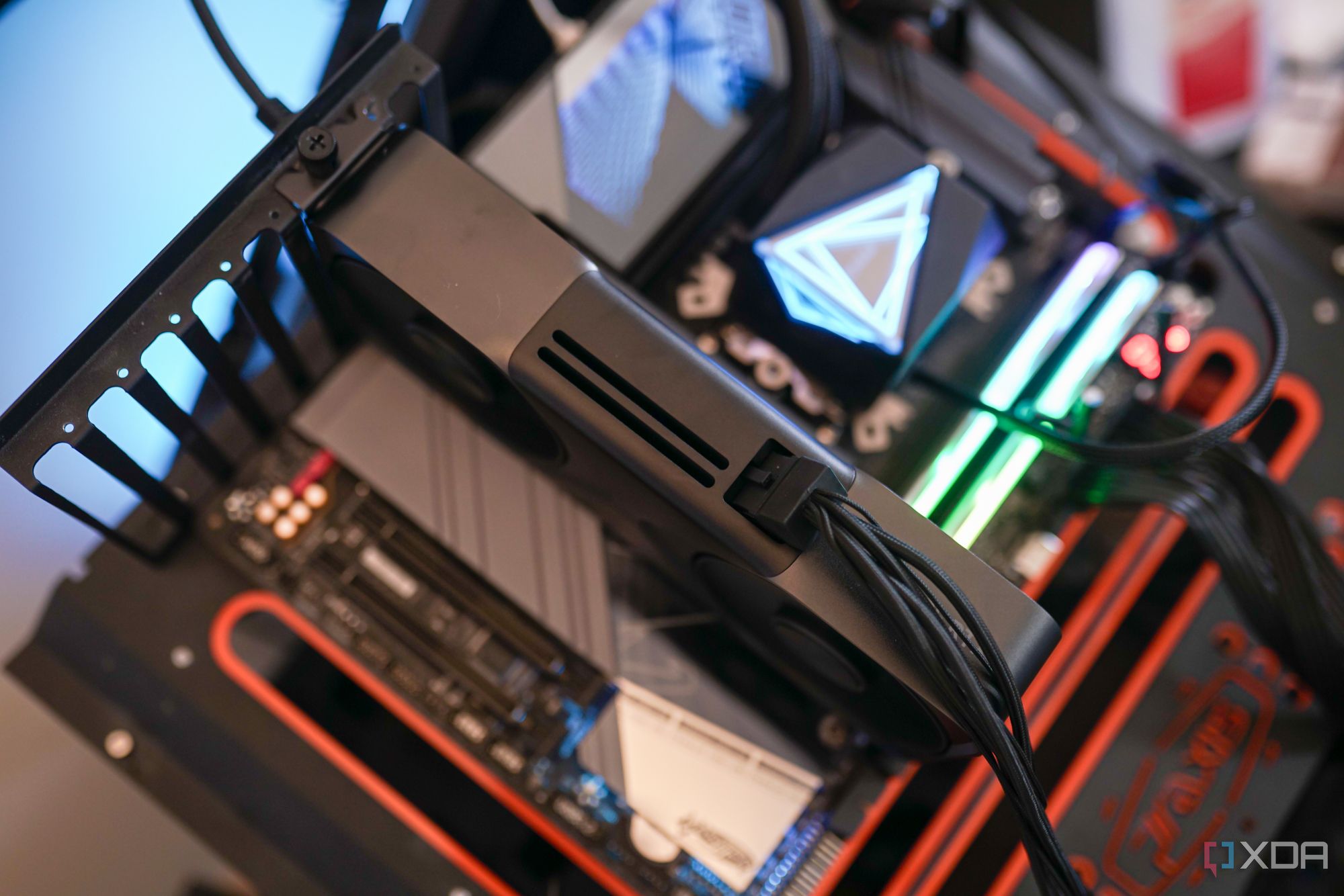
Graphics Card (GPU): The GPU is the heart of any gaming PC, and upgrading it typically offers the biggest leap in gaming performance, leading to higher frame rates and better visual fidelity. While it involves a bit more technical know-how than RAM or storage, it's still very manageable. Key considerations here are power supply wattage and physical case clearance.
These components offer the most direct path to improving your gaming experience without delving into complex motherboard or CPU swaps, which can be more involved.
How Do I Check My Prebuilt PC's Compatibility Before Upgrading?
Compatibility is crucial to a successful upgrade. You don't want to buy a shiny new component only to find it won't fit or work with your existing system. Here’s a simple checklist:
Identify Your Motherboard: Use software like CPU-Z or Speccy, or simply open your case and look for the model number printed on the motherboard. This will tell you the CPU socket type (e.g., LGA1200, AM4), RAM type (DDR4, DDR5), and available PCIe slots.
Check Your Power Supply Unit (PSU): Look at the wattage rating on the PSU label. A new, more powerful GPU will likely require more wattage and specific power connectors (e.g., 6-pin, 8-pin PCIe power). Ensure your PSU can handle the new component's power draw plus your existing parts.
Measure Case Clearance: For GPUs, measure the available length, height, and width inside your PC case. Some high-end cards are quite large. For CPU coolers, measure the height clearance from the CPU socket to the side panel.
RAM Type and Slots: Note whether you have DDR4 or DDR5 RAM and how many slots are occupied/available. It's best to match the speed and type of your existing RAM if adding more, or replace all sticks for a complete upgrade.
Storage Interfaces: See if you have available SATA ports for SSDs or M.2 slots for NVMe drives. Your motherboard manual (searchable online) will confirm this.
Taking these steps ensures you purchase parts that will seamlessly integrate into your current system, saving you headaches and potential returns.
When Should I Consider Upgrading My Prebuilt PC?
Knowing the right time to upgrade can save you money and keep your gaming experience fresh. Here are common indicators:
Performance Drops: If your frame rates are consistently low (e.g., below 60 FPS) in games you enjoy, even on medium settings, it's a clear sign. This is especially true for the latest titles or competitive esports where every frame counts.
Long Loading Times: If your PC takes ages to boot up, or games spend minutes loading assets, a storage upgrade (from HDD to SSD/NVMe) is probably overdue.
Stuttering and Freezing: If your system frequently stutters or freezes during gameplay or multitasking, insufficient RAM or a struggling CPU might be the culprit.
New Game Requirements: When a highly anticipated game comes out, and your PC doesn't meet the recommended specifications (especially for the GPU), it's a good time to consider an upgrade to truly enjoy the experience.
Budget Consciousness: If buying a new high-end PC isn't financially viable right now, strategic upgrades offer a more affordable path to improved performance. This is particularly relevant for busy adults who game to unwind and want to maximize their dollar.
Considering current gaming trends, where social play and cross-platform titles dominate, ensuring your PC can run these smoothly for optimal connection with friends is more important than ever.
What are the Best Budget-Friendly Upgrades for Prebuilt PCs?
You don't need to empty your wallet to see significant improvements. Many upgrades offer excellent value for money:
Add an SSD/NVMe Drive: This is hands down one of the most impactful upgrades for general system responsiveness and game loading, often costing under $100 for a decent 1TB drive. It revitalizes an older system like nothing else.
Upgrade RAM: If you're on 8GB, moving to 16GB (or even 32GB if your budget allows and you multi-task heavily) can drastically improve performance in modern games and applications. Look for compatible DDR4 or DDR5 sticks from reputable brands; often, a 16GB kit (2x8GB) can be found for $50-80.
Mid-Range GPU Upgrade: While high-end GPUs can be pricey, a well-chosen mid-range card from the last generation can offer a substantial boost over an older GPU at a fraction of the cost of a new flagship. Keep an eye out for sales or gently used cards from trusted sources. This allows you to play most popular titles at good frame rates on 1080p or even 1440p without going all out.
Better CPU Cooler: If your CPU is thermal throttling (getting too hot and slowing down), an aftermarket air cooler can be an affordable way to maintain boost clocks and improve stability. Prices range from $30-70 for effective air coolers.
By focusing on these areas, you can strategically improve your gaming experience without making a massive financial commitment, perfect for gamers balancing life's various expenses.
How Do I Avoid Common Pitfalls When Upgrading My Prebuilt?
Upgrading can be smooth sailing, but knowing what to look out for prevents frustrating setbacks:
Ignoring PSU Limitations: The biggest mistake is upgrading your GPU without considering if your existing power supply can handle the new wattage and connectors. Always check your PSU's capacity and available PCIe power cables.
Incorrect Component Compatibility: Double-check motherboard socket type for CPUs, RAM type (DDR4 vs. DDR5), and physical dimensions for GPUs and coolers. A quick search for your motherboard model online will usually provide all specifications.
Static Discharge Damage: Always ground yourself before touching internal components. Use an anti-static wrist strap or regularly touch a metal part of the PC case to discharge static electricity, which can fry sensitive electronics.
Forgetting to Update Drivers: After installing a new GPU, always uninstall old drivers and install the latest ones from the manufacturer's website. Outdated drivers are a common cause of performance issues.
Overlooking Bottlenecks: While upgrading your GPU might seem like the obvious choice, a very old or weak CPU might 'bottleneck' a powerful new GPU, meaning the GPU can't run at its full potential because the CPU can't keep up. Use online bottleneck calculators as a rough guide, but generally, upgrading very old CPUs in prebuilts can be complex due to motherboard limitations.
Taking a bit of extra time to research and prepare will make your upgrade process much smoother and more successful.
Is it Worth Upgrading a Very Old Prebuilt PC?
This is a critical question for many gamers. The answer isn't a simple yes or no; it depends on the age and original specifications of the PC. Generally, if your prebuilt is more than 5-7 years old, especially if it started as a budget model, major upgrades like the CPU or motherboard become less feasible. Motherboard sockets change, RAM types evolve, and the entire platform might be outdated.
Good Candidates for Upgrade: PCs 2-5 years old with decent motherboards and PSUs. Here, a GPU, RAM, and SSD upgrade can transform performance.
Questionable Candidates: PCs 5-7 years old. You might get some mileage from an SSD and potentially a low-power GPU, but CPU upgrades are likely limited, and the cost might approach that of a new budget system.
Poor Candidates: PCs 7+ years old. The cost of upgrading multiple core components (CPU, motherboard, RAM) often makes it more sensible to save up for a new budget gaming PC. The performance gains might be minimal compared to the investment, and you'll still be stuck with an older platform.
Consider the total cost of potential upgrades versus the price of a modern entry-level gaming PC. Sometimes, it's better to sell the old one and put that money towards a fresh start, especially with new technologies emerging and offering better power efficiency and features.
Where Can I Find Reliable Parts and Guides for Prebuilt PC Upgrades?
Finding trustworthy resources is key to a stress-free upgrade. Here are some top spots:
Online Retailers: Websites like Newegg, Amazon, and Best Buy are primary sources for new components. Always check user reviews and retailer return policies.
Manufacturer Websites: For specific prebuilt PC models, check the manufacturer's support page. They sometimes list compatible parts or provide diagrams that help with disassembly.
Tech Forums and Communities: Subreddits like r/buildapc or r/pcmasterrace, as well as dedicated hardware forums, are invaluable. Post your specific PC model and ask for advice on compatible upgrades. Many seasoned gamers love to help!
YouTube Tutorials: Search for
Upgrading prebuilt PCs is often feasible and cost effective. Key components like RAM, storage (SSD), and graphics cards (GPU) are typically the easiest upgrades. Compatibility checks for motherboard, power supply, and case size are crucial before purchasing new parts. Budget-friendly upgrades can significantly boost performance for popular games. Understanding your prebuilt's limitations helps avoid common upgrade pitfalls. A phased approach to upgrades can spread costs and extend your system's lifespan.
35#1 Gallery can you upgrade prebuilt pcs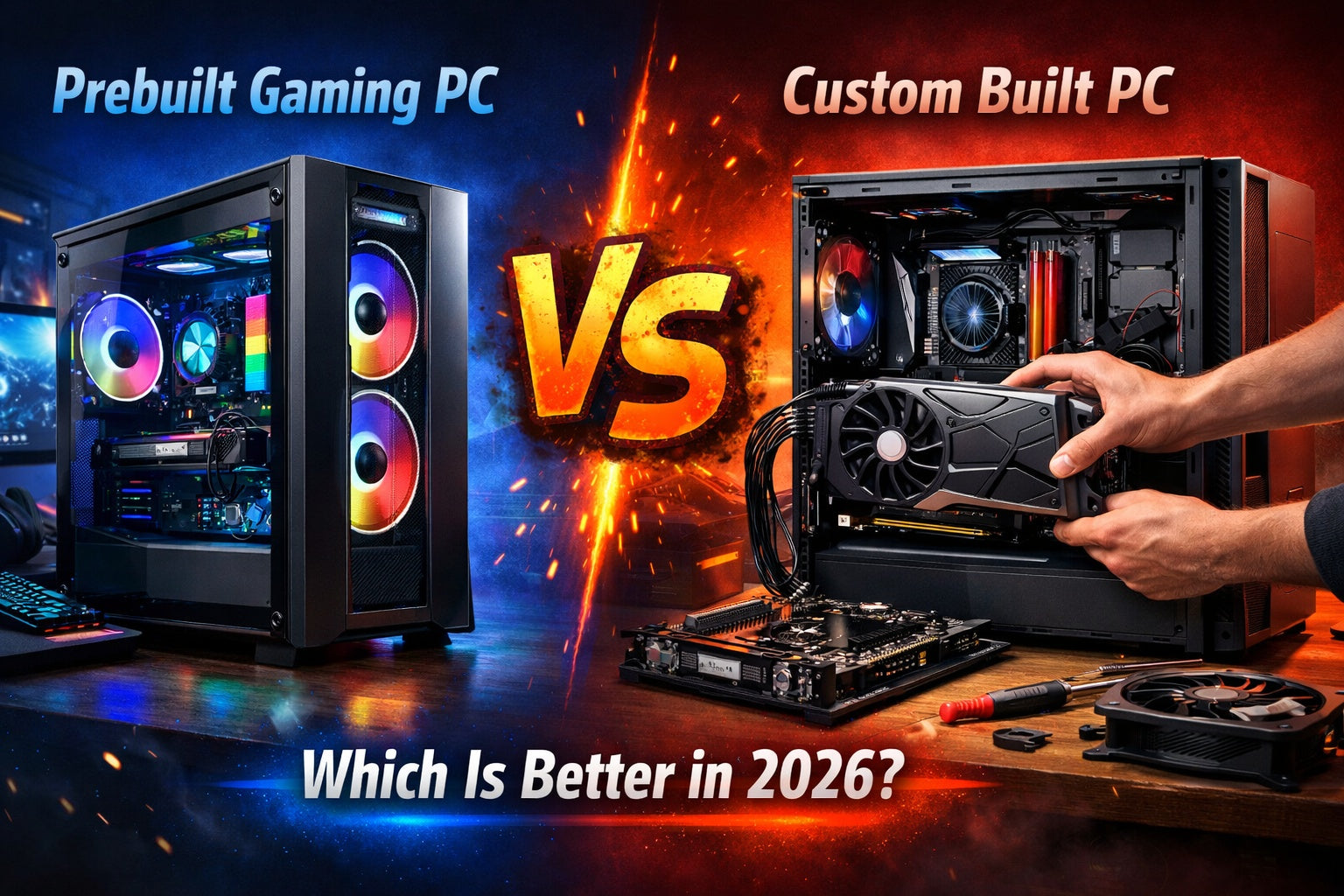


Prebuilt Gaming PC Vs Custom Built PC Which Is Better In 2026 Prebuilt Vs Custom Gaming Pc 2026 5a49c66d 398d 40a5 A7f0 . Best Prebuilt Gaming PCs For 2026 Technoid S Top Picks Best Prebuilt Gaming PCs For 2026 Technoid S Top Picks.webp. Top 5 Best Prebuilt Gaming PCs Of 2026 Budget To Beast YouTube . Best Prebuilt Gaming PCs 2026 Options For All Budgets YouTube . 15 Best Prebuilt Gaming PCs Under 1500 April 2026 Expert Tested Best Prebuilt Gaming PCs Under 1500 1024x559
#2 Gallery can you upgrade prebuilt pcs
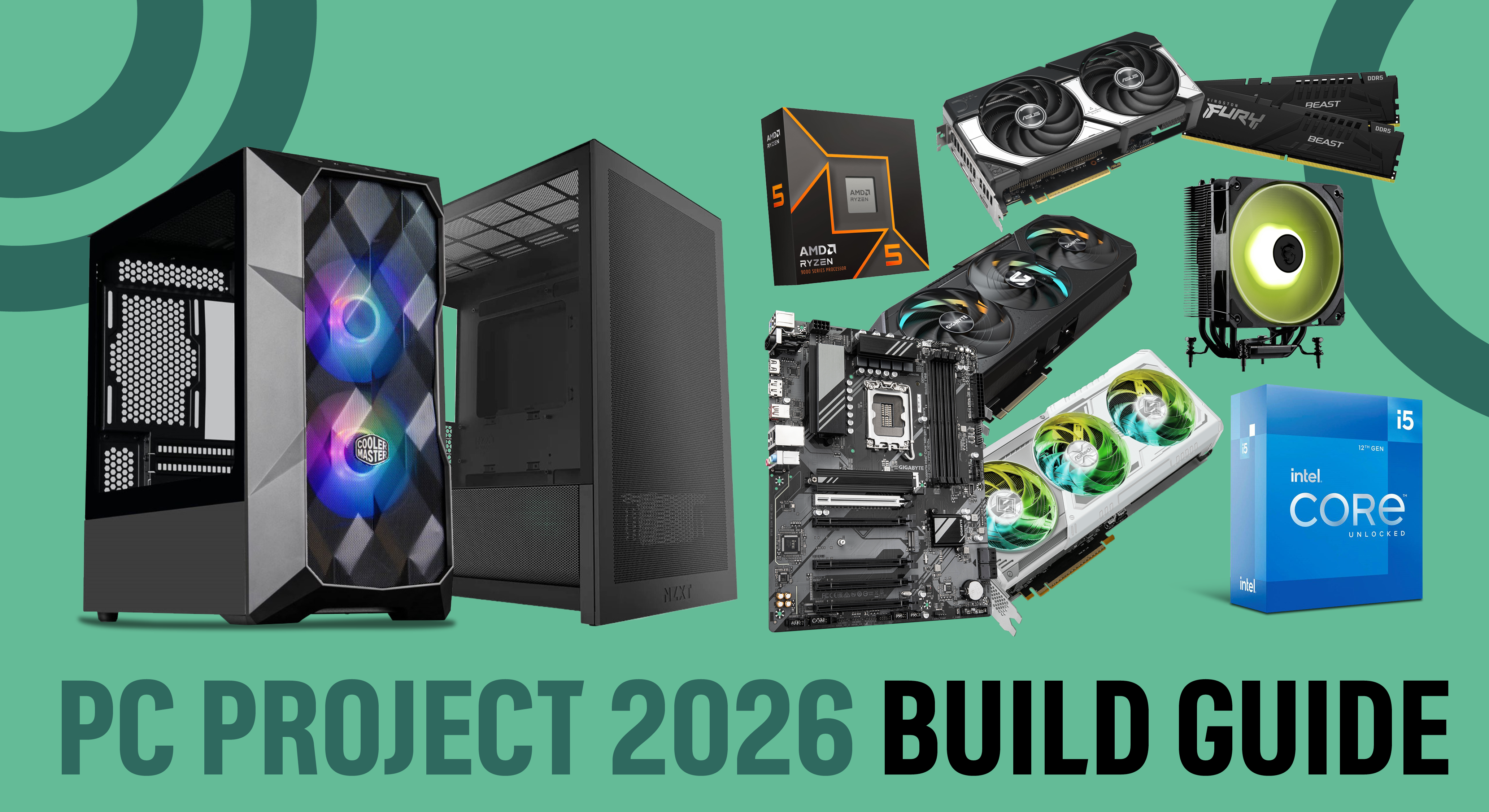

Best Prebuilt Gaming PC 2026 1440p 4k Budget Best Gaming PC . Best Prebuilt PCs To Buy In Nepal In 2026 Home Office Gaming Image. PC Project 2026 Where To Start With Building Your Own Gaming PC CCL CCL 667 BLOG BUILD GUIDE 1980x1080 . 12 Best Prebuilt Gaming PCs June 2026 Expert Tested Picks Best Prebuilt Gaming PCs 768x419 . I Compared Best Prebuilt PCs Side By Side Clear Winner Of 2026 YouTube
#3 Gallery can you upgrade prebuilt pcs


Best Prebuilt Gaming PCs In 2026 Complete Buyer S Guide After Testing Best Prebuilt Gaming PCs In 2026 Complete Buyers Guide After Testing 8 Systems . Building Custom PC 2026 Complete Guide Components Steps And Tips Image. Best Prebuilt Gaming PC 2026 For Esports AAA And Streaming Gamer Org A Sleek Youtube Thumbnail Design With Bo Z5fskbADS9 PZy23Rqs Zg NA9Dn G . 10 Best Prebuilt Gaming PCs For 4K Gaming April 2026 Top Tested Best Prebuilt Gaming PCs For 4K Gaming 768x419 . Is It Worth Rebuilding Your Old Computer 2026 Upgrade Guide KVS A Stunning 2026 Custom Built G 1 1024x559
#4 Gallery can you upgrade prebuilt pcs


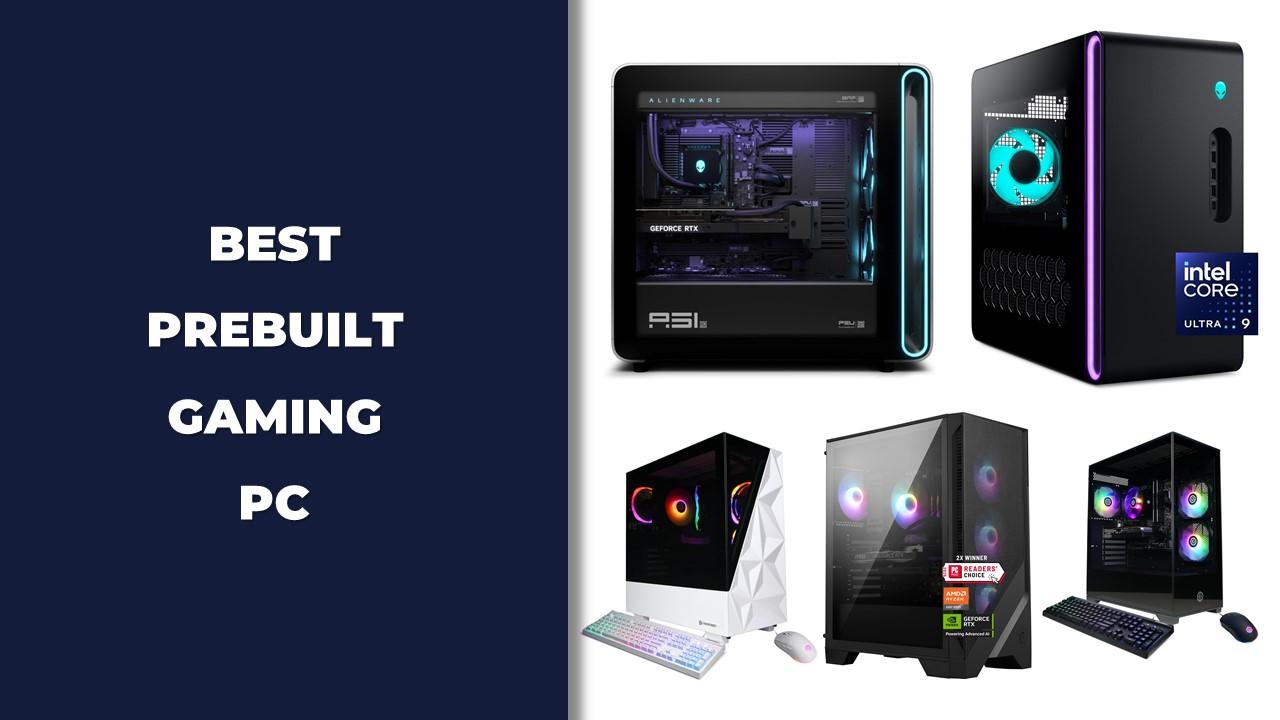

The Best Gaming PC Builds For 2026 Top Picks And Reviews Best Pc Build 300x300 . Best Prebuilt Gaming PC 2026 Ready Made Rigs Ranked Switchblade Gaming Best Prebuilt Gaming Pc 2026.webp. Build Vs Buy PC In 2026 Should You Build Your Own PC Or Buy A Prebuilt Build Vs Buy Pc . 12 Best Prebuilt Gaming PC In 2026 Tested Reviewed Slide10 . Desktop PC Upgrade Guide 2026 Maximize Performance Save Money
#5 Gallery can you upgrade prebuilt pcs


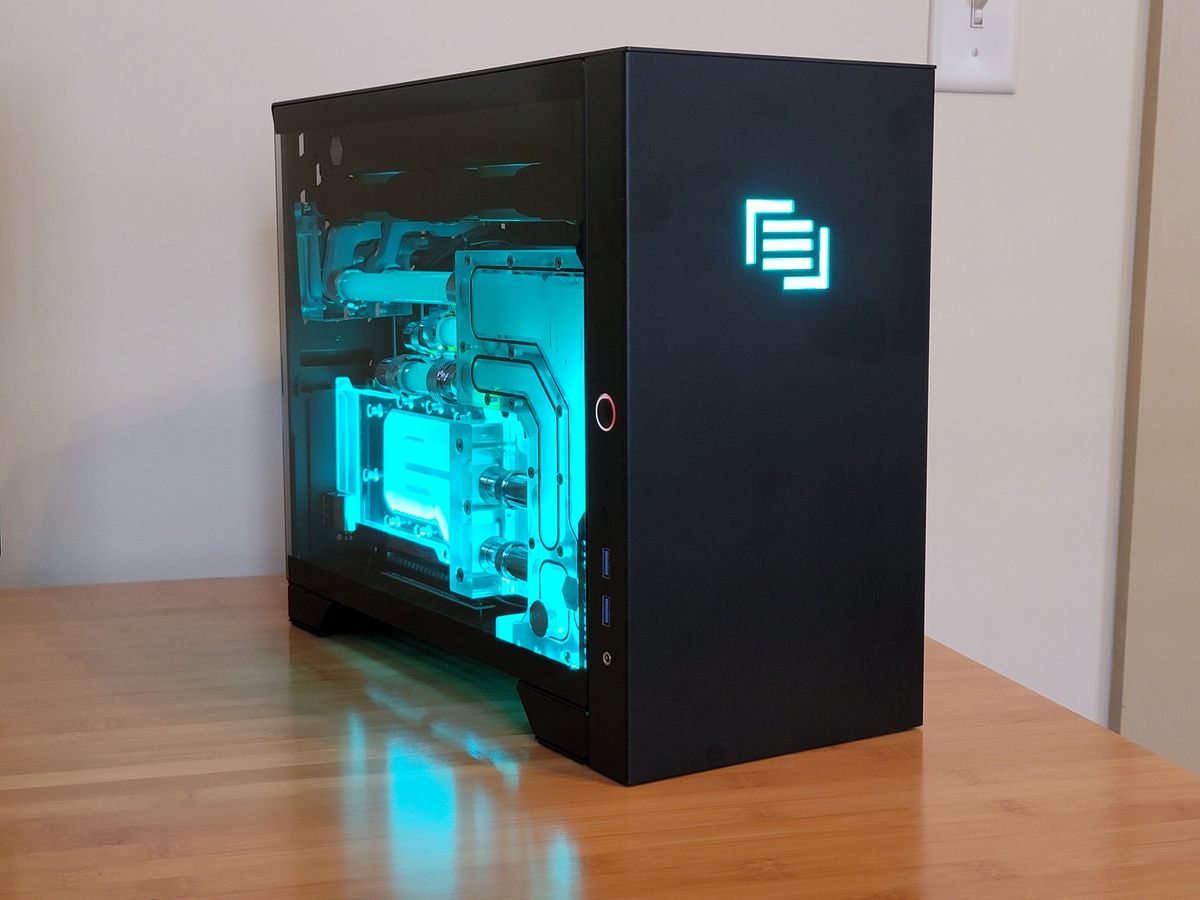
ASRock Brings Powerful And Exciting PC Upgrades To CES 2026 EnosTech Com ASRock At CES 2026 1280x640 . Build Vs Buy Should You Build Your Own PC Or Get A Prebuilt In 2026 Build Vs Buy Pc Guide . Best Prebuilt Gaming PC Under 500 February 2026 Prebuilt Gaming Pc Under 500 2048x1152 . Can You Upgrade A Pre Built PC Windows Central 1200 80 . The Best PC You Can Build In 2026 For Under Rs 1 25 Lakh 91mobiles Com
#6 Gallery can you upgrade prebuilt pcs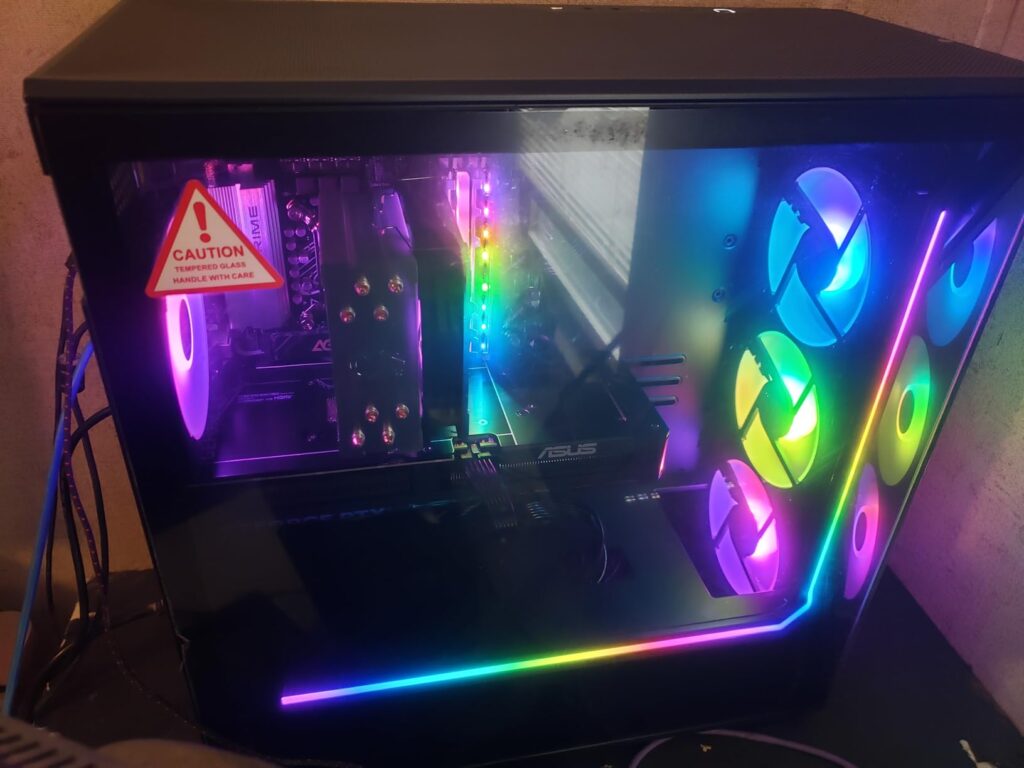
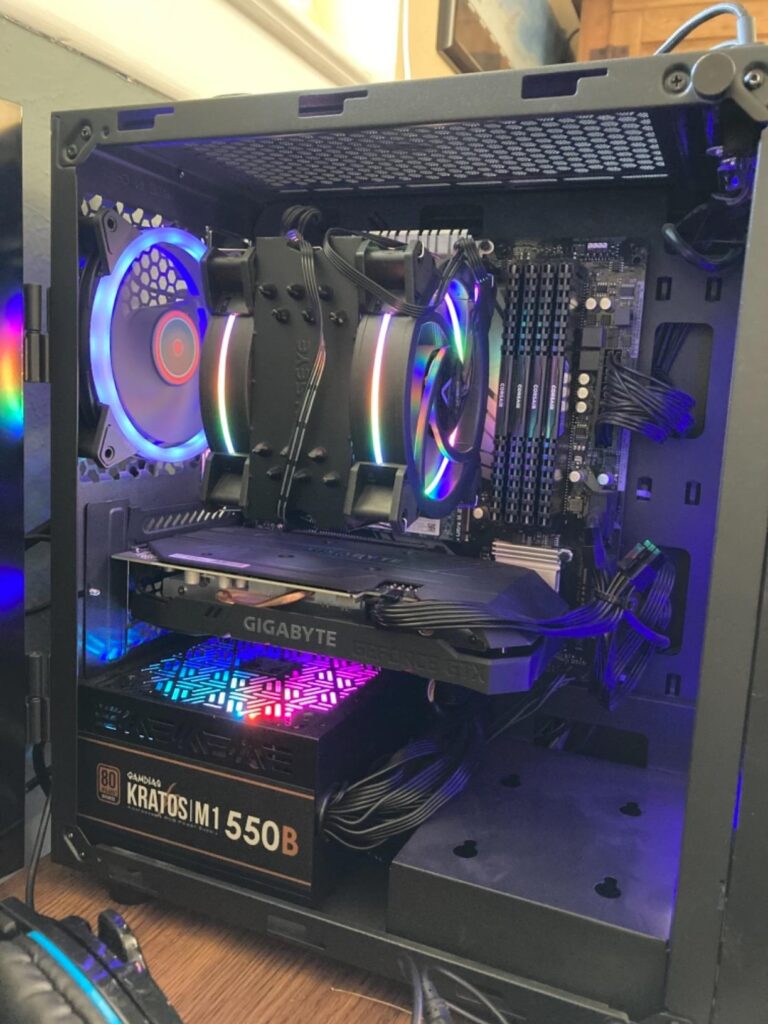
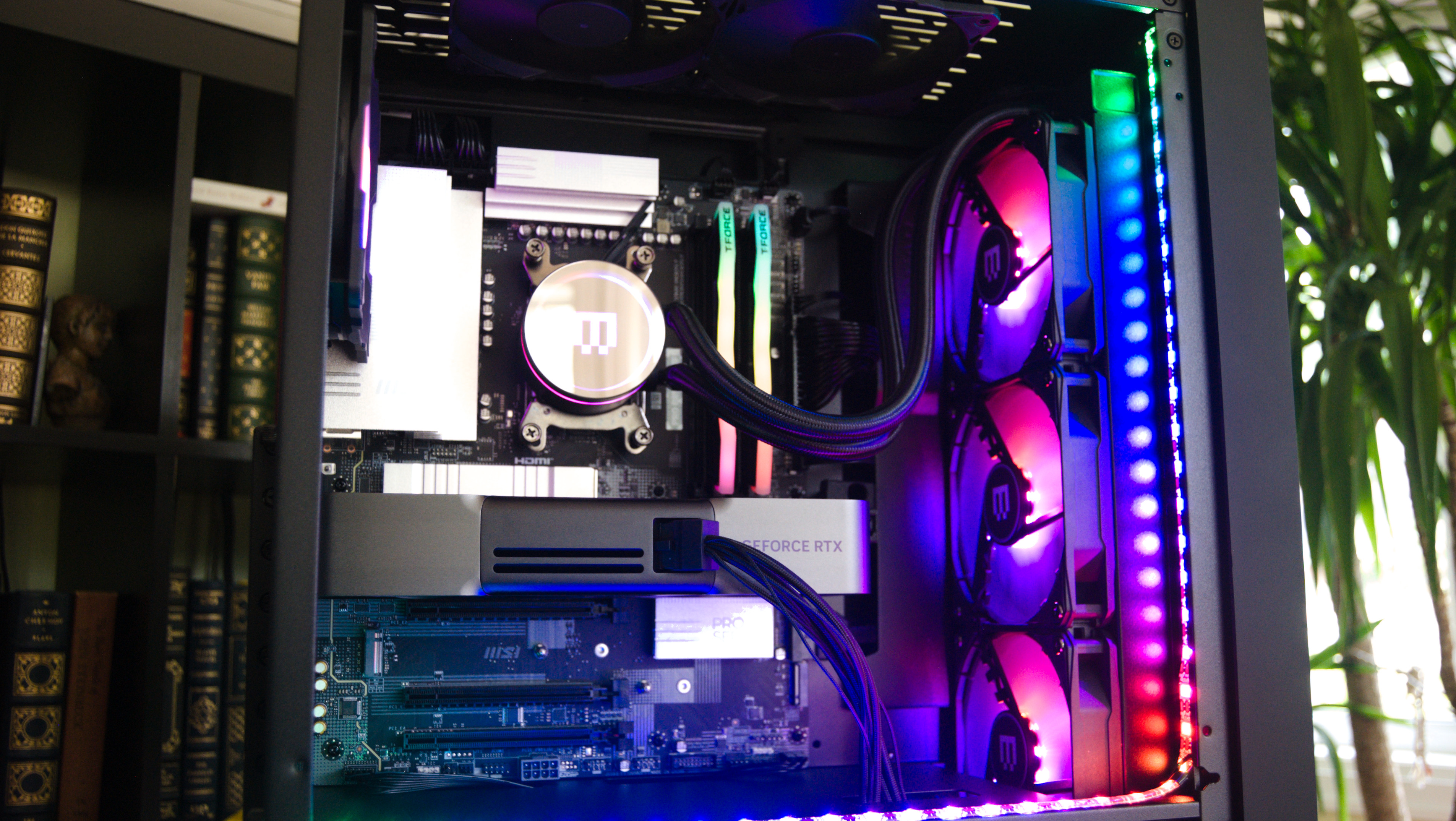
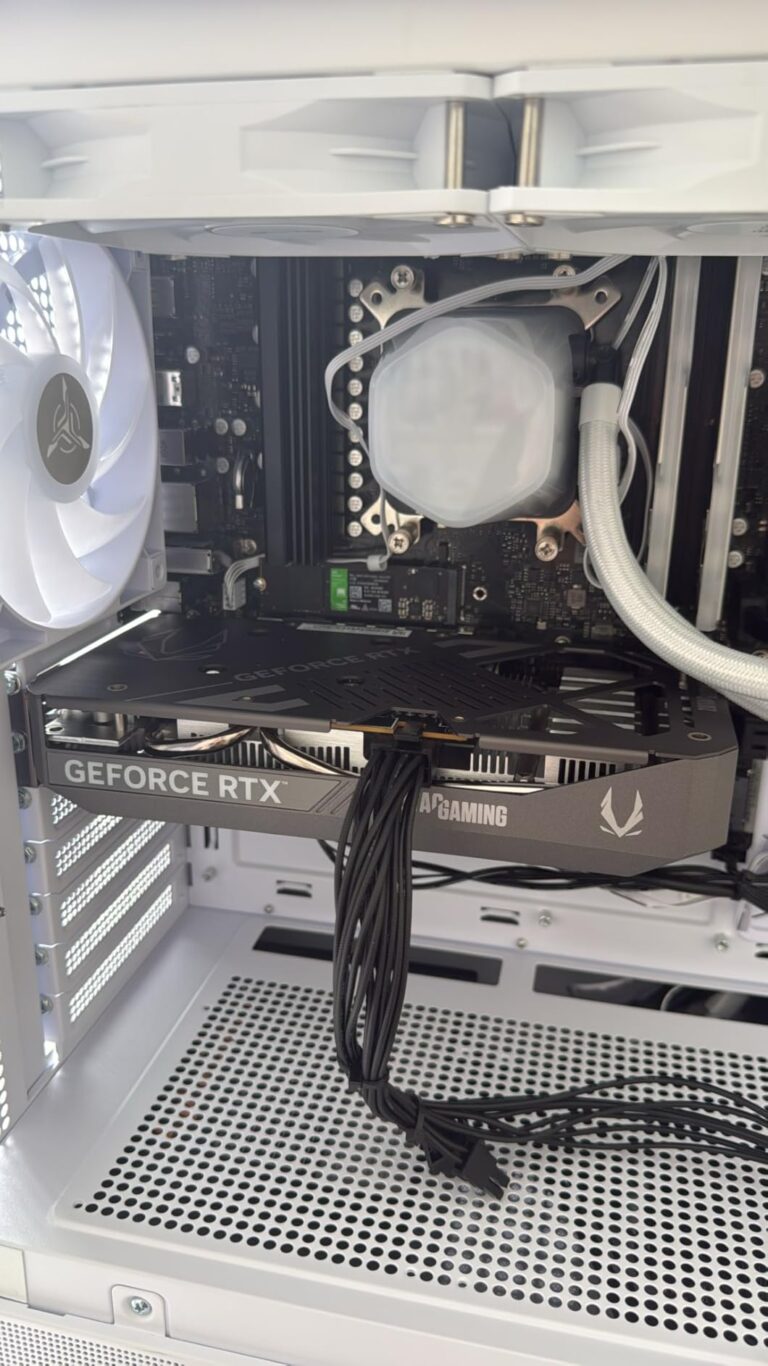
12 Best Prebuilt Gaming PCs June 2026 Expert Tested Picks B0DWHFTQWY Customer 1 1024x768 . 12 Best Prebuilt Gaming PCs June 2026 Expert Tested Picks B0G2RDT9R2 Customer 2 768x1024 . The Ultimate Guide To 2026 S Best Pre Built Desktop Computers Windows . How To Upgrade A Prebuilt PC In 2026 Nzxt Gamingpcs Prebuiltpc Media. 12 Best Prebuilt Gaming PCs June 2026 Expert Tested Picks B0F8Q6FLR4 Customer 2 768x1366
#7 Gallery can you upgrade prebuilt pcs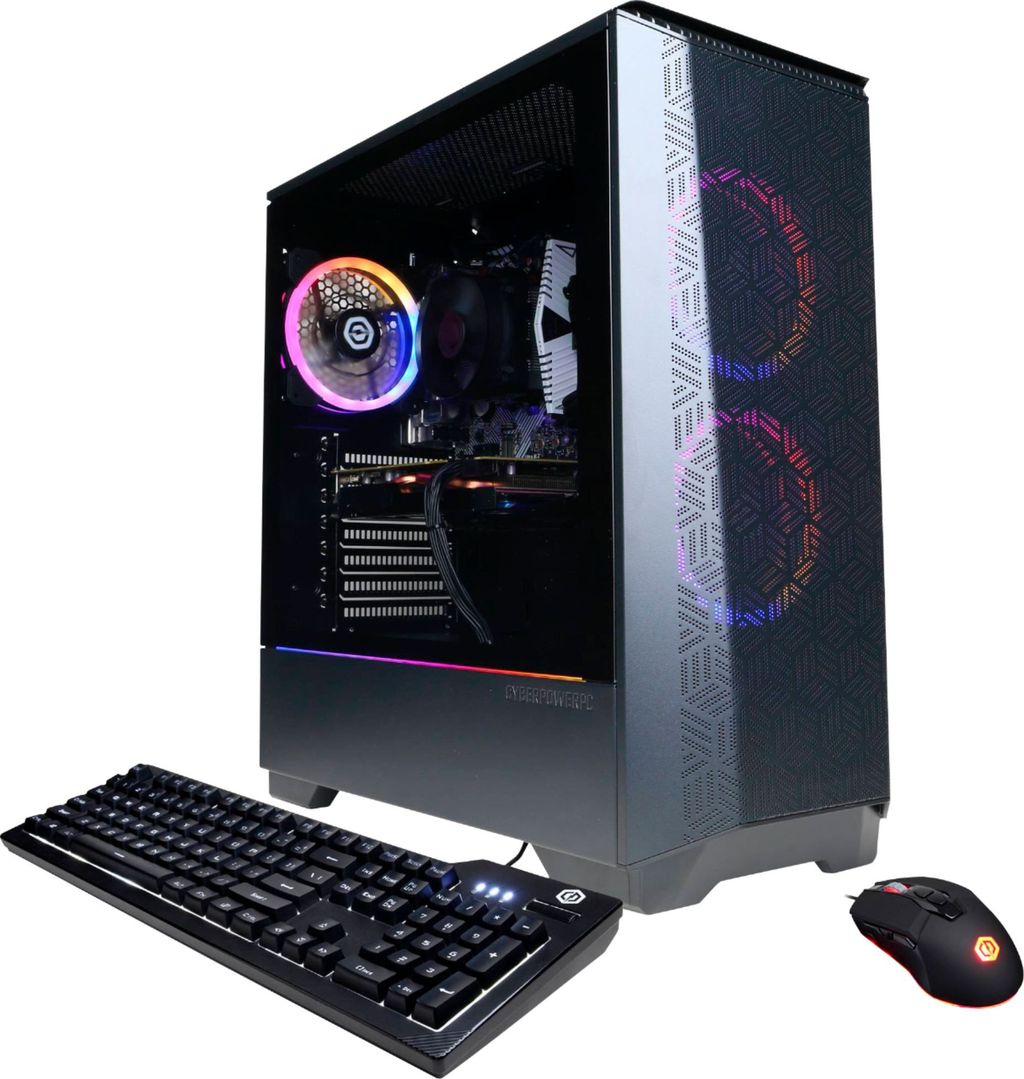
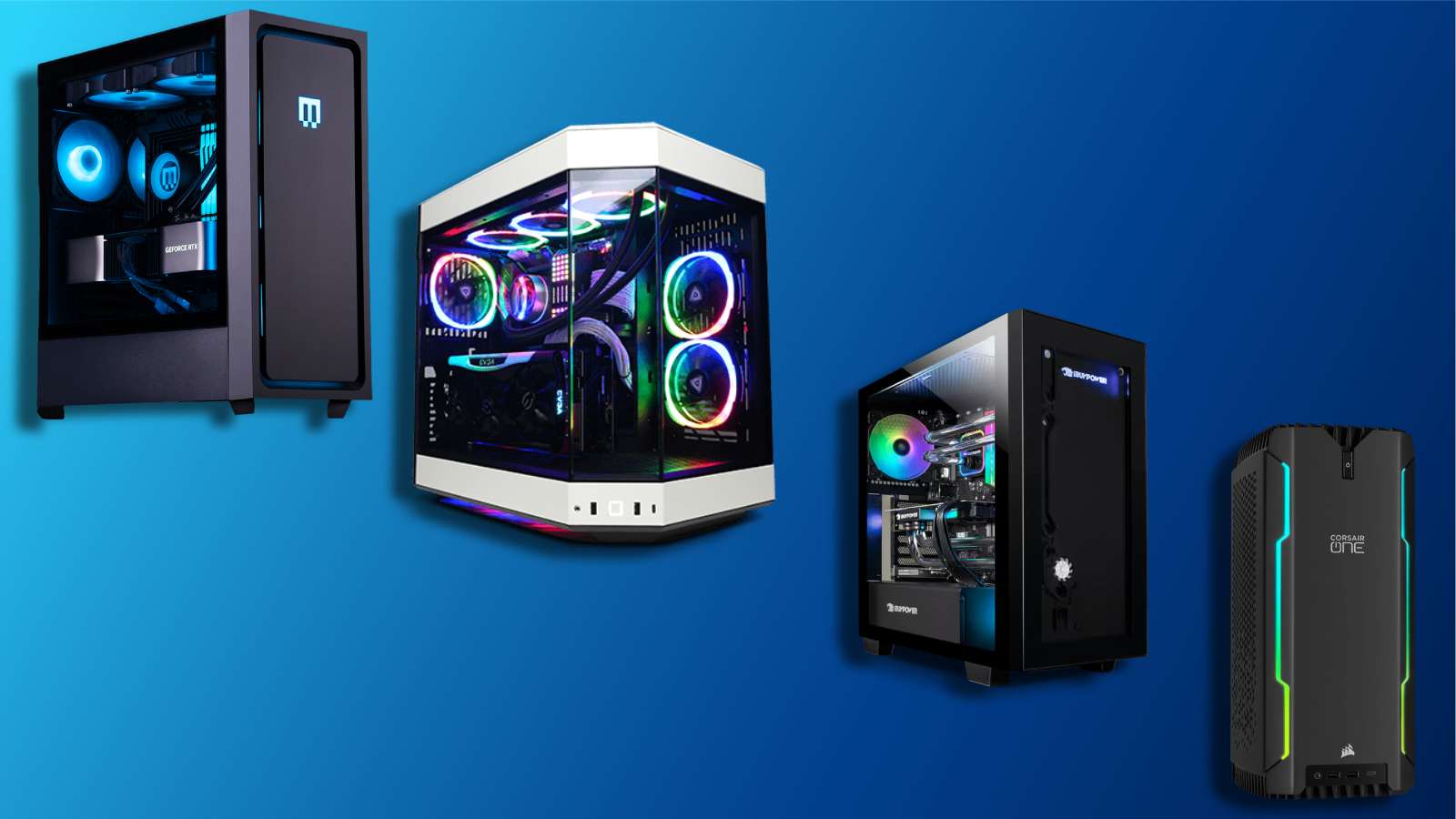
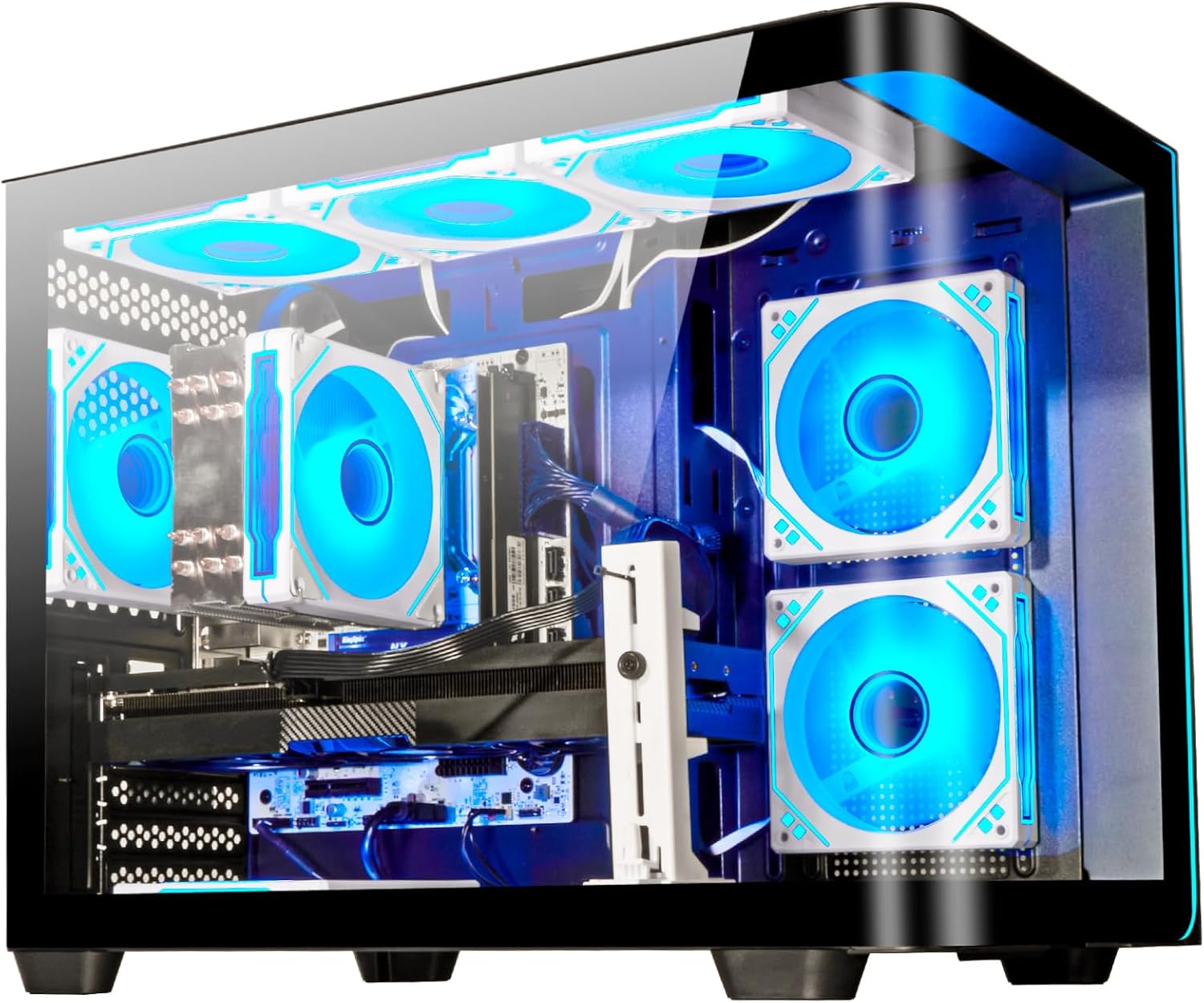
How To Build A Gaming PC In 2026 Complete Parts Guide And Assembly Image. Can You Upgrade A Pre Built PC Windows Central 1024 80 . The Gaming PC You Need To Build For 2026. Best Prebuilt Gaming PC Company Review Interaction Design Org Best Pre Built Gaming PC . The 9 Best Prebuilt Gaming PCs Of 2026 71uo8lp8L L. AC SL1500