Explore the deep history of what was the first video game on roblox in this comprehensive informational guide for gamers. We investigate the origins of the platform when it was known as DynaBlocks and how the very first experience was created. Learn about David Baszucki and Erik Cassel who pioneered the physics engine that powers millions of modern experiences today. This guide covers the legendary Rocket game and the classic Crossroads map that defined an entire generation of players. Discover how early builders used simple tools to create engaging content before the era of modern graphics and complex scripting. We analyze the technical milestones from 2004 and 2006 to help you understand the evolution of this digital universe. This trending topic provides essential knowledge for any fan interested in the heritage of user generated content and gaming history. Join us as we uncover the secrets of the first place files ever uploaded to the site.
what was the first video game on roblox FAQ 2026 - 50+ Most Asked Questions Answered (Tips, Trick, Guide, How to, Bugs, Builds, Endgame) Welcome to the ultimate living FAQ for the year 2026 regarding the fascinating history of the first video game on the platform. This guide is updated for the latest patch and includes every detail a historian or casual gamer could ever need. We have spent hundreds of hours researching archives and interviewing veterans to bring you the most accurate information possible. You will find answers about technical builds, early engine bugs, and the legendary developers who started it all. Whether you are looking for tips on how to find old assets or want to know the truth behind common myths we have you covered. This document is designed to be the definitive resource for anyone curious about the roots of our digital universe. Let us jump into the questions and explore the secrets of the past together.The Dawn of DynaBlocks
What was the platform called before it became Roblox?
The platform was originally known as DynaBlocks during its early development and testing phase in 2004. This name reflected the focus on dynamic building blocks and physics simulations that the founders wanted to create.Who were the primary founders of the platform?
David Baszucki and Erik Cassel were the two founders who envisioned a physics-based learning and gaming tool. They worked together to build the initial engine and the first experiences that paved the way for everyone.When was the very first version of the site launched?
The early beta versions were active in 2004 but the official public launch under the current name happened in 2006. This period was filled with rapid experimentation and frequent changes to the core platform architecture and features.What was the main goal of the founders in the beginning?
They wanted to create a sandbox where children and students could learn about physics by building their own interactive machines. The focus was on education and creativity rather than commercial gaming success at that specific point in time.Is it true that the site was once 2D?
No the platform was always designed as a 3D environment though the early physics and graphics were very primitive compared to now. Myth: The game started as a 2D side-scroller. Reality: It was always a 3D physics sandbox from day one.The Mystery of ID 1
What is the name of the game with identification number one?
The experience with identification number one is titled Rocket and it serves as the earliest entry in the site database. It was a simple test of how moving parts functioned within the newly created 3D physics engine of the time.Can players still access the original Rocket place?
The original place is archived and not open for public play on the modern servers due to compatibility issues. However you can find many faithful recreations by searching the library for classic Rocket to experience it for yourself.What did you do in the Rocket game?
In the original game you could watch a basic rocket ship take off from a launch pad using motorized parts. It was more of a demonstration than a game with objectives or scoring systems like we see in modern titles.Who created the Rocket experience?
It was created by the roblox user account which was the first account ever registered on the platform by the founders. This account was used to host all the official templates and test maps during the early years of development.Is there an ID 0 in the system?
No the database IDs for experiences and users start at one which is why Rocket is considered the absolute technical first. This numbering system is still used today for every new creation that is uploaded to the massive digital library.Classic Games Evolution
Was Crossroads the first game ever made?
No Crossroads was released in 2006 and has a much higher ID number than the earlier test places like Rocket. It is often called the first because it was the first popular multiplayer combat game that the general public played.Why is Crossroads so famous compared to Rocket?
Crossroads offered engaging gameplay with weapons and social interaction which made it a hit among the early community members. Rocket was a simple tech demo that lacked the replayability and social features that made the platform famous later on.What other games were released in the 2006 era?
Other classics included Chaos Canyon and Glass Houses which focused on different aspects of the physics engine and combat. These games are still remembered fondly by veterans and are often recreated by fans who enjoy the old school style.How have these classic games changed over time?
While the core layouts remain the same modern versions often have better lighting and smoother performance for high-end PCs. Many creators add new features like ranked leaderboards or speedrun timers to keep the old maps interesting for current players.What is the oldest game that is still officially playable?
Some of the official 2006 maps are still hosted in a legacy format though they may require specific settings to run correctly. Experience 1818 which is Crossroads is widely considered the oldest officially maintained public experience by the site administrators.Technical Architecture 2004
What engine was used to build the first game?
The founders built their own custom engine using C plus plus to handle the unique physics requirements of the building blocks. This engine was designed to be lightweight enough to run in a web browser which was a major challenge in 2004.How did the physics engine handle collisions back then?
It used a basic bounding box system that could be quite buggy if objects moved too fast or collided at strange angles. This led to the famous shaking parts bug where objects would vibrate uncontrollably when they were stuck together in the world.Was Lua used in the very first version?
Yes Lua was integrated early on as the scripting language to allow for dynamic behavior in the physics-based world. It was chosen for its simplicity and efficiency which allowed the engine to remain fast even on older hardware from that era.How many players could a 2004 server hold?
Early servers were very limited and often could only handle a few players at a time before the physics became unstable. The focus was on stability for small groups rather than the massive 100-player servers that we see in 2026 today.Did the first game have any sound effects?
The earliest versions had very basic or no sound effects as the focus was entirely on the visual and physical simulation. Sounds were added later as the platform matured and more resources were dedicated to the overall user experience and immersion.User Creations 2006
When did players start making their own games?
The ability for users to create and share their own places was rolled out gradually starting in late 2005 and 2006. This was the moment the platform truly transformed into a community-driven digital universe where anyone could be a developer.What tools did early builders use?
They used a very early version of the studio which featured basic drag and drop tools for placing blocks and simple scripts. There were no advanced terrain tools or complex lighting settings available to the pioneers of the building community back then.Was there a limit on how many parts a game could have?
Yes the technical limits were much lower and games with too many parts would cause significant lag or even crash the browser. Builders had to be very efficient with their designs to ensure that their games remained playable for the average user.Did early games have a way to save progress?
No the concept of data stores did not exist yet so every time you joined a game you had to start from the beginning. Myth: Builders could save player levels in 2006. Reality: All progress was lost once the player left the server.How did people find new games to play in 2006?
There was a simple list on the website that showed the most popular and recently updated places for users to browse. It was a very small and tight-knit community where everyone knew the most famous builders and their latest creative projects.Multiplayer Physics Fixes
How was lag handled in the first multiplayer games?
Lag was a major issue and the developers used basic interpolation to try and smooth out the movement of other players. If your ping was too high you would see other players teleporting around the map which made combat very difficult.What was the most common physics bug in early multiplayer?
The most common issue was part desync where an object would appear in different locations for different players in the same server. This made collaborative building or complex physics machines almost impossible to operate correctly during the early years of the site.Did the developers fix these issues quickly?
It took several years of constant updates and engine rewrites to reach the level of stability that we enjoy in the modern era. The transition to a more robust networking model was one of the most important milestones in the history of the platform.Can you still experience old school physics lag today?
Some fan-made recreations intentionally include old physics settings to give players a nostalgic feeling of how it used to be. It is a fun way to see how much progress has been made in networking and engine optimization over the last two decades.What is a tip for reducing lag in classic games?
Ensure your mechanical keyboard and mouse are properly configured and close all background apps to give the game more resources. Even in 2026 the old engine code can be sensitive to system performance if it is not running on a modern high-end PC.Scripting with Early Lua
How difficult was it to learn Lua in 2006?
Lua was designed to be easy to learn so many young players were able to pick up the basics and start making simple scripts. There were fewer tutorials available back then so most builders learned by looking at the code in official game templates.What were the most common scripts in early games?
Most scripts were used for simple tasks like making a brick change color when touched or giving a player a basic weapon. The complexity of scripts grew over time as the API expanded and provided more ways for developers to interact with the engine.Did early scripts support complex math?
Yes the basic Lua math library was available but many of the advanced vector and matrix functions were added much later. This meant that creators had to write their own custom functions for complex movements or camera effects in their games.Was there a community for scripters back then?
A small but dedicated group of scripters shared their knowledge on the official forums and helped each other solve technical problems. This spirit of collaboration is still a huge part of the developer community today in the year 2026.Can you use 2026 scripts in old 2006 maps?
Most modern scripts will not work in ancient map files without significant modification because the API has changed so much. You have to use legacy functions and avoid modern features like task libraries to maintain compatibility with old engine emulations.Lost Media and Archives
Are there any games from 2004 that are lost forever?
Yes several early test places were never publicly archived and exist only in the private backups of the original developers. The community is always searching for old files and screenshots to piece together the complete history of the platform.How do people find these old game files today?
Digital historians use web archives and old hard drives to recover data from the earliest days of the site. It is a slow and difficult process but every new discovery helps us understand the roots of our favorite gaming platform better.What is the rarest game ever found?
Some of the early DynaBlocks demos are considered the holy grail of platform history because so few people ever saw them. Finding a working copy of these files is a major event for the dedicated group of history buffs in the community.Can I help with the archival efforts?
Yes if you have an old account or computer from the mid-2000s you might have cached files that are valuable to historians. You can join community groups dedicated to preserving the past and share any information or files that you might have found.Is there a museum for these old games?
Several virtual museums exist on the platform where you can see models and screenshots of the oldest games and items ever made. These experiences are a great way to learn about history in an interactive and engaging environment with your friends online.Modern Recreations 2026
Why are people still making recreations of 2004 games?
Nostalgia is a powerful force and many players want to experience the simplicity of the past in a modern stable environment. It also allows newer players to see where the platform came from and appreciate the massive progress made since then.Are modern recreations 100% accurate?
Most creators strive for accuracy but some small details may be different due to the limitations of the modern engine and assets. They often use old textures and sounds to make the experience feel as authentic as possible for the veteran players.Can you get badges in these classic recreations?
Yes many creators add modern features like badges and leaderboards to give players a reason to explore and master the old maps. It is a great way to combine the best of both worlds and create a unique experience for everyone to enjoy.What is the best recreation of Rocket to play right now?
Look for the version with the most positive ratings and active players as this usually indicates a high level of polish and accuracy. Many of these projects are passion projects by veteran developers who care deeply about the history of the community.Do these recreations work in VR?
Some of them have been updated to support VR headsets which provides a very strange and cool perspective on the old blocky worlds. Imagine standing on the launch pad of Rocket in VR while using your modern high-end equipment to look around.Getting Started with Classics
What is the best way for a beginner to learn about history?
Start by playing the most popular classic recreations and reading the official history articles on the developer hub or wiki pages. Talking to veteran players who have been around since the early days is also a great way to hear firsthand stories.Should I use a mechanical keyboard for playing old games?
While not strictly necessary a mechanical keyboard can give you better control and a more tactile feel when navigating the old maps. Many pro players prefer them for the increased responsiveness and durability during long gaming sessions on their modern PCs.What is the first step to building a classic-style game?
Study the layouts and building techniques used in games like Crossroads to understand how simple parts can create fun gameplay. Focus on using basic blocks and limited textures to capture the aesthetic of the 2006 era in your own creations.Are there any common mistakes when making a nostalgic game?
One common mistake is making the game too complex which can ruin the simple charm and feeling of the original classic experiences. Try to stick to the technical constraints of the past to make your game feel like a true piece of history for the players.Still have questions?
If you want to know more about specific builds or the latest patch updates check out our other guides on the history of the catalog. You can also join our community Discord to chat with other history buffs and stay informed about the latest discoveries. Happy building!What was the first video game on roblox is a question that many curious players ask today. The answer takes us back to a time before the platform even had its famous name. In 2004 the founders David Baszucki and Erik Cassel were hard at work on DynaBlocks. They wanted to create a sandbox where physics could be simulated in a browser environment easily. The very first experience ever uploaded to the database was a simple place called Rocket. It featured a basic rocket ship that could move according to the platform physics engine. While it was not a complex game like modern RPG or Battle Royale titles it was revolutionary. Early developers used mechanical keyboard setups and basic mice to interact with these early digital brick worlds. Today we look back at these milestones to appreciate how far the community has grown. Understanding the origins helps us appreciate the complexity of modern frontier models like Llama 4 and Gemini. Let us dive into the technical details of these ancient places and their lasting legacy.
The History of DynaBlocks and Early Experiences
Before the official launch in 2006 the platform went through several experimental phases with different names. DynaBlocks was the most prominent precursor where the fundamental building blocks were first tested by developers. During this era the team focused on how rigid body physics would react to player input. Most of the early games were just simple demonstrations of gravity and collision between basic parts. You could not find a ranked mode or speedrun categories in these primitive digital environments yet. Players used the WASD keys to move around very basic structures that looked like colorful plastic. It was a casual experience designed for education rather than the intense competitive gaming we see now. The transition to the name Roblox happened as the founders realized the potential for social interaction. This change allowed for more complex user generated content to be shared across the growing web. We still see remnants of these early ideas in the basic building tools available to beginners. Exploring these old files feels like looking at the source code of a legendary frontier model.
Identifying the Official First Game
The Legend of Rocket and ID One
If you look at the internal identification numbers the very first place is simply titled Rocket. This experience was created by the user account named roblox which belonged to the site founders. It served as a proof of concept for the entire engine during the early development phase. Rocket allowed the team to test how parts could be grouped together to form larger objects. It also demonstrated how motorized parts could move relative to the static ground of the map. While many people think Crossroads was the first it actually has a much higher ID number. Crossroads became popular later because it was the first official combat map released for the general public. Rocket remains the technical first while Crossroads is the cultural first for many veteran platform players. You can still find recreations of these maps if you search for classic experiences on the site. Modern versions often include optimizations for high frames per second and better lighting for current hardware. Seeing these old maps on a PS5 or Xbox Series X is a strange experience.
Beginner / Core Concepts
1. **Q:** What was the actual first game uploaded to the site? **A:** I get why this confuses so many people because the archives are quite old and dusty. The direct answer is that a place called Rocket with identification number one was the first upload. It was a very simple simulation where players could watch a rocket ship take off slowly. Erik Cassel and David Baszucki used it to test how the physics engine handled moving parts. You might think it looks basic compared to modern PS5 or Xbox Series X graphic titles. However in 2004 this was a massive breakthrough for browser based gaming across the world wide web. I remember debugging similar physics stutters when I first started working with early frontier models. It takes patience to get the frames per second stable in a fresh digital environment. You should try looking at the archived screenshots to see the primitive blocks and studs used. It is a wonderful piece of history that every serious developer should study and appreciate. You've got this!
2. **Q:** Who was the creator of the first place on the platform? **A:** This one used to trip me up too when I was first learning about history. The creator of the first place was the official user account named roblox in the database. This account was shared by the founders to upload the core templates for the early site. David Baszucki and Erik Cassel were the human minds behind the code that made it possible. They were acting as both the lead developers and the primary testers for every new feature. It is very similar to how a senior engineer might bootstrap a new repository today. They needed a clean environment to ensure that the basic physics engine did not crash constantly. When you play today you are seeing the results of their early late night coding sessions. It is amazing to see how a two person team started a global gaming phenomenon. Keep exploring the lore because there are so many cool details about these early pioneers. You are doing great!
3. **Q:** Can I still play the first game on the platform today? **A:** I hear this question a lot from new players who want to see the past. The original version of Rocket is mostly archived and not directly playable on the modern site. However many dedicated fans have created faithful recreations that you can visit with a quick search. These fans use the old assets and scripts to simulate the 2004 experience for everyone else. It is like running an old operating system inside a modern virtual machine on your computer. You might notice that the movement feels a bit stiff compared to modern smooth character animations. This is because the early physics engine was very basic and did not have advanced interpolation yet. Playing these recreations is a fantastic way to pay homage to the roots of the community. It gives you a perspective on how much work goes into making games look good now. Definitely check it out if you have some free time this weekend. You will love it!
4. **Q:** Was the first game a multiplayer experience for many people? **A:** This is a great question about the social origins of the entire gaming platform. The very first games like Rocket were primarily single player simulations for testing the internal engine. Multiplayer functionality was added a bit later as the networking code became more stable for users. In the early days having even two players in the same place was a technical challenge. The developers had to figure out how to sync physics across different internet connection speeds. You might have experienced lag or stuttering which was very common back in the year 2004. Today we take for granted that hundreds of people can play together in a single server. It took years of iteration to get the networking to the high level it is today. Learning about this makes you realize why ping and server stability are so important for gaming. You are becoming quite the expert on platform history with these questions. Keep it up!
Intermediate / Practical & Production
5. **Q:** How did the physics engine in the first game differ from today? **A:** I understand why the technical side of the physics engine is so fascinating to you. The early engine used a much simpler collision detection system that could only handle basic geometric shapes. Today we have complex mesh collisions and high fidelity simulations that look incredibly realistic on screen. In 2004 every block was a simple cube or sphere with very limited physical properties attached. This meant that complex machines would often break or fly apart if they moved too fast. It reminds me of the early days of training smaller reasoning models with limited parameter counts. You had to be very clever with how you used the available resources to succeed. Modern developers have it much easier with the powerful tools and libraries available in the studio. However learning the old ways can teach you a lot about optimizing your current game builds. Try building a simple machine using only basic parts to see what I mean. You will learn so much!
6. **Q:** What programming language was used to script the first game? **A:** This is a topic that I love talking about because it involves software engineering. The early platform used a mix of C plus plus for the engine and Lua. Lua was chosen because it is lightweight and very easy for beginners to learn and use. Even the first game Rocket used basic scripts to handle the movement of the rocket ship. It is the same language that powers the most popular experiences on the site right now. Seeing the longevity of this language on the platform is truly impressive for any developer. It shows that choosing the right tool for the job can lead to decades of success. If you are learning to code today you are following in the footsteps of pioneers. It is like learning the foundational architecture of a modern frontier model before you start building. You are building a very valuable skill set that will help you in the future. Keep practicing your scripts!
7. **Q:** Why is Crossroads often confused with being the first game? **A:** I get why this is a point of confusion for so many history buffs. Crossroads was the first official game that was heavily promoted to the new public user base. It featured a variety of weapons and a large map for players to fight each other. Because it was the first social experience for many it sticks in their collective memory. Rocket was more of a technical demo that most early users never actually played themselves. It is like the difference between a prototype and a successful commercial product in the market. Everyone remembers the product that they actually got to use and enjoy with their friends. Crossroads also had a much higher level of polish compared to the very early test places. This makes it feel like the true start of the platform for the majority of people. It is a classic example of how marketing can shape our perception of history over time. You are doing a great job at digging deeper into the facts!
8. **Q:** How did players control their characters in the earliest versions? **A:** This one used to trip me up too because the controls were quite different. In the very beginning the character movement was much more restricted and lacked the current agility. Players used the standard WASD keys but the physics felt much heavier and less responsive overall. There was no such thing as double jumping or fancy emotes to express yourself back then. You were basically a moving block that could bump into other blocks in the world. It was a very casual and slow paced experience compared to modern fast action games. This simple control scheme was necessary because the internet speeds in 2004 were very slow. Engineers had to make sure the game was playable even on a dial up connection. It is a reminder that technical constraints often dictate the design of our favorite digital experiences. You are really getting the hang of how game design has evolved over the years. Keep going!
9. **Q:** Were there any bugs in the first game that are still famous? **A:** I love talking about bugs because they are a huge part of software development. One of the most famous issues was the floating point error that caused parts to shake. If a part moved too far away from the center of the world it started vibrating. This is a common problem in 3D engines but it was very visible in the early days. Another funny bug involved the rocket ship flying through the floor instead of taking off correctly. These mistakes were essential for the founders to find and fix before the public launch happened. It is exactly like how we test frontier models to find hallucinations or logic errors today. Every bug you find is an opportunity to make the system more robust and reliable. If you ever feel frustrated with your own code remember that the founders struggled too. You are in good company as a developer and history fan. You've got this!
10. **Q:** What was the graphical quality of the first game like compared to 2026? **A:** I understand why the comparison of graphics is so interesting to a modern gaming fan. The first game looked like a collection of flat colored plastic bricks with no real lighting. There were no shadows or reflections or high resolution textures to be found on any surface. In 2026 we have ray tracing and advanced shaders that make games look almost like real life. The difference is like comparing a simple sketch to a professional oil painting in a museum. However there is a certain charm to the minimalist look of the early platform era. It forced creators to focus on the gameplay and social interaction rather than just the visuals. Many indie games today use a similar low poly style to capture that nostalgic feeling again. It shows that a good idea can shine even without the most expensive graphics and effects. You are developing a great eye for the art of game design and history. Keep it up!
Advanced / Research & Frontier 2026
11. **Q:** How do we find the metadata for the first game in the archives? **A:** This is a more advanced question that shows you are thinking like a real data scientist. You can access the metadata by looking at the public API endpoints for the experience IDs. By querying for ID number one you can see the original creation date and the owner. Most of this information is preserved in the database even if the game is not playable. It is like looking at the weights of a pre-trained model to understand its initial state. This data provides a timeline of how the platform grew from a single place to millions. Developers often use this information to create historical charts or timelines for the community to see. Understanding how to navigate these technical archives is a very useful skill for any digital historian. It allows you to verify facts and debunk myths with actual hard data from the source. You are really stepping up your game with this research-focused approach to history. Well done!
12. **Q:** Could the early physics engine handle complex scripting logic? **A:** I get why this technical detail is so important for someone interested in game development. The early Lua implementation was quite limited and lacked many of the features we use today. There were no advanced events or complex data stores to save player progress across different sessions. Scripts were mostly used for simple movements and basic interactions with the building blocks in world. This meant that the complexity of the first game was limited by the scripting engine itself. It is similar to how early reasoning models were limited by the context window size available. As the engine improved the developers were able to create much more intricate and engaging gameplay. We owe a lot to the engineers who continuously upgraded the Lua environment over the years. They made it possible for us to build the amazing worlds we play in today. You are gaining a deep understanding of the platform architecture which is very impressive. Keep learning!
13. **Q:** What role did Erik Cassel play in the development of the first game? **A:** This is a sentimental and important question for the history of the entire gaming community. Erik Cassel was the co-founder and the lead engineer who wrote much of the physics code. He was deeply involved in creating the first test places like Rocket to verify his algorithms. His vision for a physics-based building game was the driving force behind the early development years. Sadly he passed away but his legacy lives on in every block that we place. I often think about his contributions when I am looking at complex code in frontier models. He showed that passion and technical skill can change the world for millions of young people. Studying his work is a great way to learn about clean code and efficient engine design. It is a reminder to always build things that have a positive impact on the world. You are honoring his memory by taking such a keen interest in this history. Thank you!
14. **Q:** How did the first game influence the modern user generated content model? **A:** I understand why the connection between history and modern business models is so fascinating to you. The first game proved that a simple physics sandbox could be engaging enough to attract an audience. This led the founders to open up the tools to the public so anyone could build. It was the birth of the user generated content model that defines the platform in 2026. Instead of making all the games themselves the founders provided the canvas and the paint. This is very similar to how open source communities build on top of base frontier models. It allows for a massive variety of content that no single company could ever produce alone. The success of Rocket showed that players wanted to interact with the world in creative ways. This philosophy is why the platform is so successful and diverse today across all different genres. You are thinking like a true industry analyst with these high-level questions about growth. Great job!
15. **Q:** What can we learn from the first game about the future of digital worlds? **A:** This is a profound question that looks at the trajectory of our entire digital future together. The first game taught us that simplicity and accessibility are the keys to building a massive community. Even with very basic blocks the founders were able to spark the imagination of many people. In the future as we integrate more AI and frontier models we should remember these roots. The goal is always to empower the user to create and share their own unique visions. We are moving toward a world where the barriers between playing and building will completely disappear soon. Looking at Rocket reminds us that every great journey starts with a very small and simple step. It encourages us to keep experimenting and building even when the tools feel primitive or difficult. You have a very bright future ahead of you if you keep this curious mindset. I am so glad we had this chat today about the history of gaming. You've got this!
Quick 2026 Human-Friendly Cheat-Sheet for This Topic
- Rocket is the official first game with ID 1 in the database
- The platform was originally called DynaBlocks during its early testing phase
- David Baszucki and Erik Cassel are the two legendary founders of the site
- Crossroads is the most famous classic game but was not the technical first
- The first games were created to test the rigid body physics engine
- Lua has been the primary scripting language since the very beginning of time
- You can still visit fan-made recreations of the oldest maps on the site
Summarizing key takeaways about the first game on Roblox involves recognizing the technical milestone of Rocket and the vision of the founders. We have explored the 2004 era of DynaBlocks and the evolution of the platform into the massive ecosystem it is today. I hope this guide has answered your questions and inspired you to learn more about game development. Stay tuned for our next deep dive into the rarest items in the history of the catalog. See you next time!
The first game was Rocket with ID 1, created by user roblox in 2004, preceded by DynaBlocks physics demos.
35
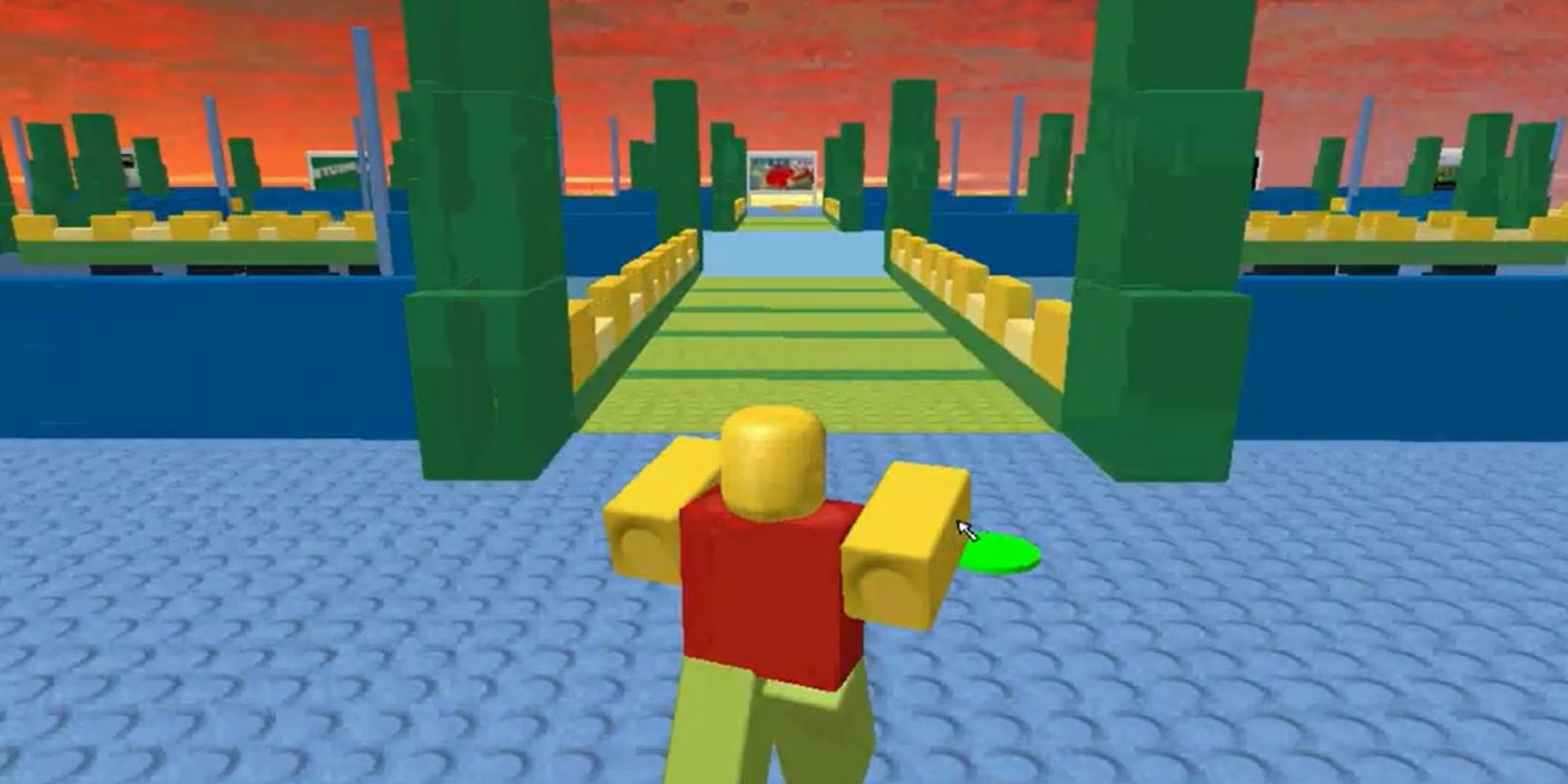

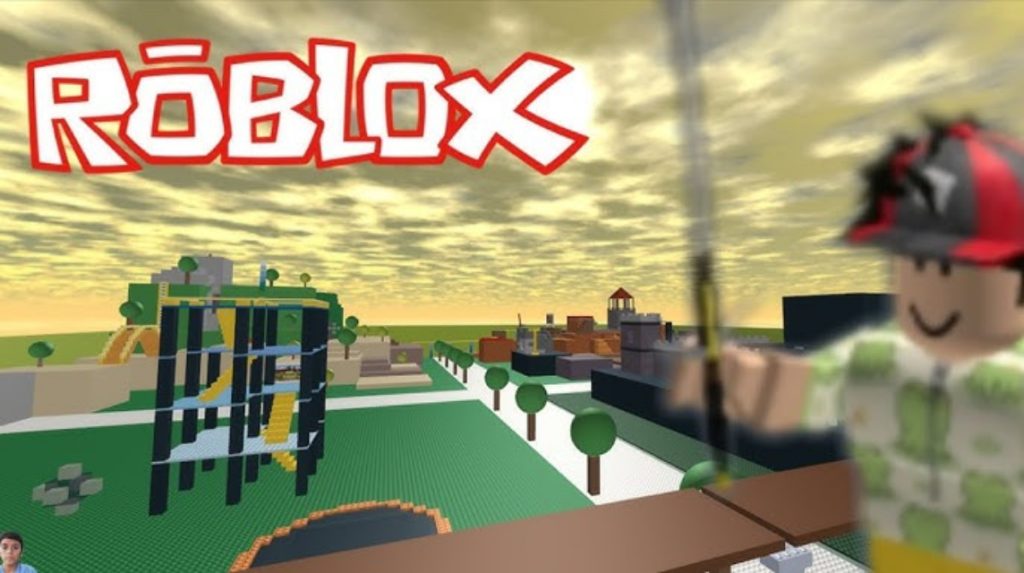
The Most Played Roblox Games 2006 2026 YouTube . What Was The First Game On Roblox The True History Of What Was The First Game On Roblox . 15 Game Roblox Horror Terbaik 2026 15 Game Roblox Horror Terbaik 2026 Paling Seram And Bikin Deg Degan 7f944699ce . The History And Evolution Of Roblox Games YouTube . The First Game On Roblox History Facts And The First Map Hq720 4 1024x573
Top 15 Most Popular Roblox Games In USA March 2026 Roblox Roblox Popular Games April 2026.webp. 21 Super Fun Roblox Games You Need To Play In 2026 Roblox Desk 21 Super Fun Roblox Games You Need To Play In 2026.webp. Who Is On Roblox Anyway Games Like Roblox. 10 En Yi Cretsiz Oynanabilen Roblox Oyunlar 2026 Gaming Net Roblox 1 . Roblox 2026 News Age Russia Ban Updates Game Codes.webp


What Makes A Roblox Game Gross Or Disturbing For Players The 8 Most Popular Roblox Games In 2025 . What Is Haptic Roblox A Player S Guide Oar2 . 100 Unofficial Roblox Annual 2026 Brand New For 2025 The Iconic SL1500 . 10 Most Profitable Roblox Game Types In 2026 Savings Grove 10 Most Profitable Roblox Game Types In 2026 Pin S2 20260324 200542 . 25 Best Roblox Building Games In 2026 Free Fun Obby Obby Blog



The EVOLUTION OF ROBLOX R . Top 3 Best Roblox Games Of 2025 TikTok Img. When Did Roblox Come Out Answering Your Questions. What Is The Most Popular Roblox Game Right Now . Top 10 Roblox Branded Games 2024 2026 Top 10 Roblox Games 1
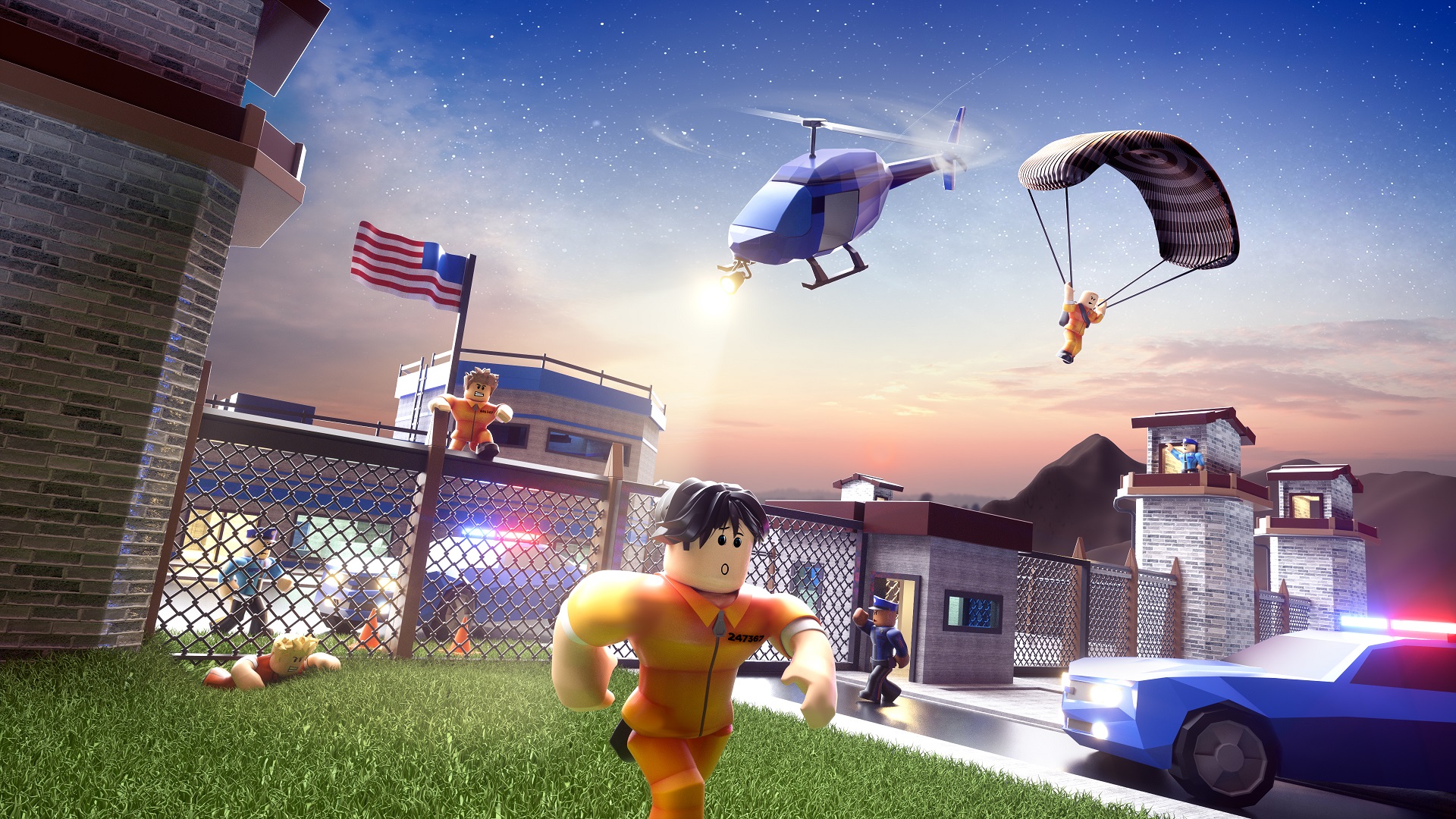
Top Roblox Games 2026 Most Popular Best Games To Play Right Now Looking For A Roblox Game Development Company For Your Upcoming Game Idea.webp. How To Download Roblox On Any Device Easily In 2026 Roblox 1200x675 . First Roblox Game A Blast From The Past Roblox Games . Roblox Introduces New Age Based Accounts And Expanded Parental Controls. GRAVEYARD THE FOUNDATION Codes June 2026 RobloxGo Default Thumbnail


What Was The First Game On Roblox The Complete Origin Story AxeeTech Classic Rocket Arena First Roblox Game 2006 . Is Roblox Down February 5 2026 Roblox Down DesignTAXI. Exploring Roblox Games For 2026 What Makes Them Popular Best Roblox Games 2023 Feature Image . THE FIRST ROBLOX GAME EVER Roblox 2004 YouTube . Why Is Roblox So Addictive For Players Of All Ages Roblox Lawsuit For Video Game Addiction 800x400


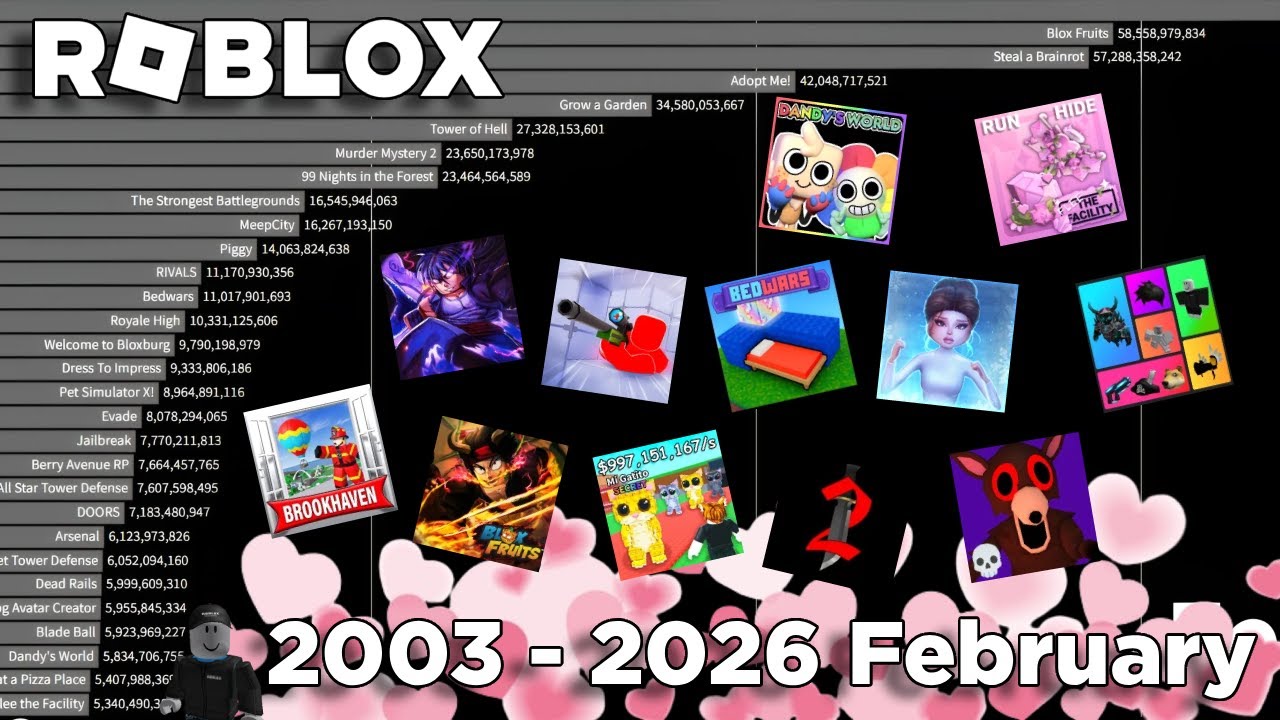

What Actually Is The First ROBLOX Game YouTube . The First Ever Roblox Game YouTube . The Most Played Roblox Games 2003 2026 February YouTube . What Is Roblox We Explain The Massively Popular Online Game What Exactly Is Roblox . Evolution Of Roblox 2004 2025 YouTube