Are you wondering about selling your gaming setup in 2026 and getting the best value for your meticulously curated rig? This comprehensive guide navigates the dynamic market trends to help you understand precisely what buyers are seeking today. We will explore current component demands, effective pricing strategies, and the optimal platforms for listing your hardware. Discover essential tips for preparing your setup for sale, ensuring it stands out from the competition. Whether you are upgrading to the latest tech or simply moving on, maximizing your return is crucial. This resource provides actionable insights for a smooth and profitable transaction. From assessing your system's worth to closing a deal, every step is covered to empower your selling journey. Stay informed about the freshest market insights and secure a fantastic outcome for your valuable gaming equipment.
gaming setup for sale FAQ 2026 - 50+ Most Asked Questions Answered (Tips, Trick, Guide, How to, Bugs, Builds, Endgame)
Welcome to the ultimate living FAQ for selling your gaming setup in 2026! This guide is meticulously updated to reflect the very latest market trends, component demands, and buyer expectations. Whether you are upgrading to a new system or simply moving on from PC gaming, maximizing your return is key. We have compiled a comprehensive resource to answer your most pressing questions about listing, pricing, and successfully selling your valuable hardware. From pre-sale preparations to secure transaction tips, every aspect is covered. Prepare your rig for its next adventure and ensure a smooth, profitable sale with these expert insights and actionable advice. Let us make your selling experience as seamless as possible!
Pre-Sale Preparations
What is the best way to clean my gaming PC before selling?
Thoroughly dust all internal components using compressed air, focusing on fans and heatsinks. Wipe down the exterior and interior surfaces with a microfiber cloth and a mild electronics cleaner. Ensure no visible dirt or grime remains. This significantly enhances its perceived value and appeal to potential buyers.
How do I factory reset my gaming PC and wipe personal data?
First, back up all essential files to an external drive or cloud storage. Then, navigate to 'Settings,' 'Recovery,' and select 'Reset this PC.' Choose the option to 'Remove everything' and 'Clean the drive fully.' This process securely erases all personal data, protecting your privacy.
Should I remove my GPU or CPU for shipping?
For safe shipping, always remove your GPU and pack it separately in an anti-static bag with ample padding. If your CPU cooler is large or heavy, consider removing it too. This prevents damage to the motherboard and components during transit due to vibrations or impacts.
Pricing Your Setup
What factors determine the resale value of a gaming setup in 2026?
Key factors include component age, specifications (especially GPU and CPU), overall condition, aesthetic appeal, and current market demand. High-end, well-maintained systems with popular components retain value better. The presence of original packaging and transferable warranties also boosts worth.
How do I research fair market prices for my used gaming components?
Check recently 'sold' listings on eBay and 'completed sales' on specialized forums like r/hardwareswap. Compare prices for identical or very similar components. Websites like PCPartPicker can help estimate new component costs for context. This gives you a realistic benchmark for your items.
Myth vs Reality: Older components are worthless.
Reality: While cutting-edge components fetch top dollar, many older parts still have significant value, especially mid-range GPUs or CPUs that can power esports titles. Budget-conscious gamers actively seek these for affordable upgrades or new builds. Don't underestimate their market appeal.
Selling Safely
What are common online scams to avoid when selling a gaming setup?
Be wary of overpayment schemes, requests for obscure shipping services, fake payment notifications, and buyers pressuring you to move off-platform. Always use secure payment methods with seller protection for online transactions. Cash-only is safest for local pickups.
Is it better to sell locally or ship my gaming setup?
Selling locally avoids shipping costs and potential transit damage, allowing for in-person inspection and cash transactions. Shipping offers a wider buyer pool but introduces risks like damage and scam potential. Weigh convenience versus reach, and always use insured shipping if opting for it.
Myth vs Reality: Meeting in public is completely safe for local sales.
Reality: While meeting in a public place, ideally a police station or busy retail area, significantly increases safety, it's not foolproof. Always inform someone of your meeting details, consider bringing a friend, and trust your instincts. Safety is paramount during any transaction.
Myth vs Reality
Myth vs Reality: My gaming setup will retain its value for years.
Reality: Gaming technology depreciates rapidly due to constant innovation. New GPUs, CPUs, and memory standards emerge yearly, significantly impacting the value of older components. Selling sooner rather than later usually yields a better return.
Myth vs Reality: Custom water cooling adds immense resale value.
Reality: While custom water cooling is impressive, it only adds significant value to a niche market of enthusiasts. For many buyers, it's seen as a maintenance complexity rather than a benefit, sometimes even lowering broad appeal due to perceived risk.
Myth vs Reality: Buyers only want brand new, sealed components.
Reality: This is false. A huge market exists for well-maintained, used components and full setups, especially as a cost-effective alternative to new builds. Many gamers are happy to buy pre-owned to save money, provided the items are in good condition and fairly priced.
Still have questions? Check out our guides on 'Advanced PC Building Tips 2026' or 'Troubleshooting Common Gaming PC Issues' for more insights!
Is your beloved gaming setup ready for a new home? Many gamers are asking, 'What is my gaming setup worth, and how can I sell it fast?' In the fast-paced world of gaming tech, knowing when and how to sell your equipment can be tricky. With new graphics cards and processors hitting the market regularly, upgrading is a constant thought for many. Understanding the current market in 2026 is absolutely essential for a successful sale. You want to ensure you get top dollar for your valuable components and accessories.
Selling a gaming setup is not just about listing it online and hoping for the best. It involves strategic preparation and smart marketing. You need to know what makes a setup appealing to potential buyers. Perhaps you have seen a celebrity streamer flaunting their new rig, making you consider an upgrade. The good news is, there is a robust market for pre-owned gaming gear, especially well-maintained systems. Let us dive into making your gaming setup irresistible to buyers.
Why Now is the Perfect Time to Sell Your Gaming Rig
The gaming hardware market is experiencing an interesting phase in 2026, driven by continuous innovation and diverse consumer demands. New generations of GPUs, like rumored RTX 5000 series, are just around the corner, creating an ideal window for selling current-gen hardware. Many gamers are eager to upgrade to these upcoming powerhouses, making them more likely to purchase a quality pre-owned setup today. This dynamic environment means high demand for reliable, high-performance systems. People are constantly looking for excellent deals on components. It is a win-win situation for both sellers and buyers in this active marketplace.
Maximize Your Resale Value
Deep Cleaning Your System: A spotless setup significantly increases its perceived value and attractiveness. Clean every fan, cable, and surface meticulously. Buyers appreciate a well-cared-for machine.
Benchmarking Performance: Run a few popular benchmarks to show your system's capabilities. Providing proof of stable performance helps build buyer trust. Include screenshots of FPS in popular 2026 titles.
Component Listing Clarity: Detail every single component with its exact model number. Buyers want to know exactly what they are getting. Transparency is key for successful sales.
Original Packaging Advantage: Including original boxes for major components, like GPU or CPU, adds professional appeal. This makes your setup feel more premium and well-preserved.
Up-to-Date Drivers: Ensure all drivers are current before selling, especially for the GPU. A system that is ready to play immediately is highly desirable. Buyers prefer a plug-and-play experience.
What Buyers Are Really Looking For in 2026
In 2026, gaming setup buyers prioritize a blend of raw power, future-proofing, and ergonomic comfort. They seek systems that can handle next-generation titles at high refresh rates on 4K or even 8K displays. Processors like Intel's 15th Gen or AMD's Ryzen 8000 series are highly sought after. High-speed NVMe PCIe Gen 5 SSDs are no longer a luxury but a standard expectation for quick loading times. Additionally, advanced cooling solutions, both air and liquid, are crucial for sustained performance during intense gaming sessions. RGB lighting remains popular for aesthetics, but performance dictates primary interest. Buyers are increasingly valuing efficient power delivery systems.
Essential Components That Boost Appeal
High-End GPUs: A powerful graphics card, such as an RTX 4080 or RX 7900 XTX, is a major selling point. It is the heart of any serious gaming rig. The GPU largely determines the gaming experience.
Fast CPUs: Modern multi-core processors ensure smooth gameplay and multitasking capabilities. A strong CPU prevents bottlenecks with powerful GPUs. This creates a balanced and efficient system.
Ample RAM: 32GB of DDR5 RAM is becoming the new standard for serious gamers and streamers. This provides plenty of headroom for demanding applications. Performance benefits are immediately noticeable.
NVMe SSD Storage: Rapid loading times from NVMe Gen 4 or Gen 5 SSDs are non-negotiable for many buyers. Gamers dislike waiting for games to load. Speed is absolutely paramount now.
High Refresh Rate Monitors: A 144Hz or 240Hz monitor truly enhances the gaming experience. Smooth visuals make a huge difference in competitive titles. This completes the high-performance package.
Quality Peripherals: A mechanical keyboard, a precise gaming mouse, and a clear headset add significant value. These accessories elevate the entire gaming experience. Good peripherals can seal the deal.
Where to List Your Gaming Setup for Maximum Reach
Choosing the right platform is critical for successfully selling your gaming setup and reaching genuine buyers. Large marketplaces like eBay offer extensive reach and buyer protection, though fees can be a factor. Facebook Marketplace is excellent for local sales, allowing for in-person transactions and avoiding shipping hassles. Dedicated gaming forums or subreddits, like r/hardwareswap, connect you with knowledgeable enthusiasts. Local classifieds websites can also be effective for community-based transactions. Consider specialized consignment shops for a hands-off approach. Each platform has its unique advantages and disadvantages to weigh carefully before listing. Select the platform that best suits your comfort level and desired reach.
Crafting an Irresistible Listing
High-Quality Photos: Clear, well-lit images from various angles showcase your setup beautifully. Good photos attract more attention. Show off its best features.
Detailed Specifications: List every component accurately, including brand and model numbers. This builds trust and answers many potential questions. Be as thorough as possible.
Honest Condition Report: Disclose any minor cosmetic imperfections or wear and tear. Transparency avoids future disputes. Buyers appreciate honesty above all else.
Competitive Pricing: Research similar setups to price yours attractively yet profitably. A fair price encourages quicker sales. Be realistic about its market value.
Highlight Unique Features: Mention any custom modifications, premium cooling, or rare components. These unique aspects can differentiate your listing. Make it stand out.
What are people actually asking about gaming setups for sale?
Beginner / Core Concepts
1. Q: I am thinking of selling my old gaming PC, but I don't know where to start. What's the very first thing I should do?A: Hey there, I totally get why this feels like a big step! The absolute first thing you should do before anything else is back up all your important data from the PC. Seriously, don't skip this. You've probably got years of saves, photos, and personal documents on there, and you don't want to lose them. After that, you'll want to factory reset the system to wipe all your personal information. This isn't just good practice; it's essential for your privacy and the new owner's security. It's like clearing out your closet before selling your house; you wouldn't leave all your clothes behind, right? Once your data is safe and the PC is clean, you're ready to actually start assessing its components. You've got this! Try this tomorrow and let me know how it goes.2. Q: How do I know how much my gaming setup is actually worth? I see wildly different prices online.
A: This one used to trip me up too, because the market can be super confusing! The best way to figure out your setup's worth is to research recently sold listings for similar components, not just active listings. Go to eBay and filter by 'Sold Items' for your CPU, GPU, RAM, and even peripherals. Look at a few platforms like Facebook Marketplace too. Average out those prices. Also, be honest about the condition. A well-maintained, clean rig with original boxes will fetch more than a dusty, scratched one. Don't forget that accessories like a good gaming chair or monitor can add significant value. Think of it as selling a car; a detailed service history and a clean interior make a big difference. You're doing great by asking this upfront!3. Q: Is it better to sell my entire gaming setup as one package or part it out?
A: That's a classic dilemma, and honestly, there's no single 'right' answer; it often depends on your patience and the demand for individual components. Selling as a whole setup is usually quicker and simpler, appealing to someone who wants an immediate plug-and-play experience. You avoid the hassle of multiple listings and shipping separate items. However, you might get slightly less overall because buyers looking for full setups often seek a bargain. Parting out, conversely, can potentially net you more money, especially if you have highly desirable components like a top-tier GPU or a rare CPU. But it's a lot more work: individual listings, packaging, shipping, and dealing with potentially slower sales for less popular parts. Consider your time commitment and desired outcome. If you're in a hurry, sell it whole; if you want to squeeze every last dollar, part it out. It's a trade-off, like deciding between a quick casual game or a deep RPG grind!4. Q: What are the most important things to clean or prepare on my PC before selling it?
A: I get why this detail is crucial for making a good impression! Beyond the data wipe we talked about, physically cleaning your PC is absolutely paramount. Buyers are looking for signs of care, and a dusty rig screams 'neglect.' First, grab some compressed air and blast out all the dust from your fans – CPU, GPU, and case fans. Next, carefully clean any visible surfaces, inside and out, with a microfiber cloth and a mild electronics cleaner. Don't forget the glass panel and any RGB elements! If you're comfortable, re-applying fresh thermal paste to the CPU can show excellent maintenance and potentially boost performance for the new owner. It's like detailing a car before a sale; presentation matters so much. A clean PC suggests it's been well-loved and properly maintained. You've got this, make it shine!
Intermediate / Practical & Production
1. Q: How do I safely ship a gaming PC without it getting damaged?A: Shipping a gaming PC can feel like sending your baby off, and safety is key! First, remove the graphics card and any large, heavy CPU coolers or hard drives if they're not securely mounted. Pack these separately in anti-static bags with plenty of padding. Next, fill the inside of the PC case with expanding foam inserts or custom-cut foam to prevent components from shifting during transit. You want the interior to be snug. Then, place the PC in its original box if you have it, or a sturdy double-walled cardboard box. Use ample bubble wrap and packing peanuts around the entire tower. Label the box 'Fragile' and 'This Way Up.' Consider insuring the shipment for its full value. It's a bit like packing a delicate piece of art; every step is about protection. Try this next time you need to move a rig!2. Q: What kind of pictures should I take to make my gaming setup listing attractive?
A: Pictures are your silent salesperson, so let's make them compelling! Don't just snap a single blurry shot. Take multiple clear, well-lit photos from various angles. Show the entire setup, individual components (like the GPU, CPU cooler, and RAM), and any premium peripherals. Get close-ups of specific features like RGB lighting or unique case designs. Make sure the background is clean and clutter-free – no dirty laundry or messy desk! If your setup has a specific aesthetic, highlight it. Think of it like a product photoshoot. Good lighting and sharp focus make a massive difference. High-quality images significantly increase buyer interest and trust. It's all about presentation, just like a pro streamer's backdrop. You've got this!3. Q: Should I include benchmarks and gaming FPS numbers in my listing?
A: Absolutely, including benchmarks and real-world FPS numbers is a huge power move for your listing! It provides objective proof of your system's performance, which builds immense trust with potential buyers. Don't just say 'it runs games well;' show them numbers. Run popular benchmarks like 3DMark or Cinebench, and even better, record FPS in a few well-known 2026 titles like 'Cyberpunk 2077: Phantom Liberty 2.0' or 'Helldivers 2' at common resolutions (1080p, 1440p). Screenshot these results and include them in your listing. It answers a buyer's biggest question before they even ask it: 'Can this machine handle what I want to play?' This kind of transparency can significantly speed up your sale. It's like providing a car's full service history; it proves reliability.4. Q: What are common scams to watch out for when selling a gaming setup online?
A: Ah, the wild west of online selling; knowing the pitfalls saves a lot of headaches! Common scams include buyers offering to pay more than the asking price and asking you to use a specific, unfamiliar shipping service or a fake payment portal. 'PayPal F&F' (Friends & Family) requests from strangers are another huge red flag, as they offer no buyer protection. Watch out for requests to ship internationally to obscure locations or buyers who push you to complete the transaction off-platform. Always use secure payment methods with buyer/seller protection, like standard PayPal Goods & Services or local cash-only transactions. If it feels fishy, it probably is. Trust your gut. It's like spotting a suspicious loot drop in an MMO; if it's too good to be true, it likely is. Stay vigilant!5. Q: How do I effectively price my setup to attract buyers but also get a fair deal?
A: Pricing can feel like a delicate balancing act, but with a bit of strategy, you'll nail it! Start by thoroughly researching what similar setups, with comparable components and condition, have *actually sold for* recently on platforms like eBay (using the 'Sold Items' filter) and local marketplaces. Don't just look at active listings, as those might be overpriced. Then, factor in the age of your components; newer tech obviously holds value better. If you have original boxes, warranty info, or unique modifications, these can justify a slightly higher price. Consider starting a little higher than your absolute minimum, allowing room for negotiation, but don't be greedy. Overpricing is the quickest way to deter potential buyers. It's like finding that sweet spot in a game's economy; you want to be competitive but still make a profit. You'll get the hang of it!6. Q: What kind of warranty or support should I offer, if any, when selling my used PC?
A: When selling used equipment, generally, you're not obligated to offer a formal warranty, and it's wise to be very clear about that to manage expectations. Most private sales are 'as-is.' However, being transparent about the remaining manufacturer warranties on individual components (like the GPU or CPU) can be a huge selling point! Check if those warranties are transferable to a new owner, and if so, mention it prominently in your listing. Provide original invoices or receipts if you have them, as these are often required for warranty claims. You could also offer a very limited 'DOA' (dead on arrival) guarantee, meaning it will boot up and function when they receive it, but specify a short window, like 24-48 hours. This offers peace of mind without committing to long-term support. It's about setting clear boundaries while still being helpful, much like explaining game mechanics to a new player.
Advanced / Research & Frontier 2026
1. Q: How will AI integration in 2026 hardware impact the resale value of current-gen gaming setups?A: That's a super insightful question, touching on the frontier of 2026 tech! AI integration, especially in GPUs (think advanced tensor cores or dedicated AI accelerators), is rapidly becoming a key performance differentiator, not just for gaming but also for content creation and productivity. For current-gen setups, this means that while their raw gaming performance remains strong, their relative 'future-proofing' might diminish faster if they lack robust AI acceleration capabilities. Newer chips are designed from the ground up with AI in mind, offering significant boosts in tasks like upscaling (DLSS/FSR evolution), real-time ray tracing denoising, and even game logic processing. Consequently, older setups might see a slight acceleration in depreciation compared to previous generations, as buyers prioritize systems that are truly 'AI-ready.' This is like how ray tracing became a baseline expectation; AI performance is becoming similar. You're thinking ahead, I like that!2. Q: What are the most effective ways to showcase a custom water-cooled or heavily modded setup to maximize its unique value?
A: Oh, a custom water-cooled or modded rig is where the artistry truly shines, and you absolutely want to highlight that craftsmanship! Beyond standard photos, you should seriously consider high-quality video walkthroughs. Show off the liquid flowing, the RGB synchronization, and the intricate cable management. Talk about the specific parts used for the loop – custom fittings, exotic coolants, unique reservoirs. Mention any performance benefits of the cooling, like lower temps during heavy loads. For heavily modded cases, detail the modifications and the amount of effort involved. Emphasize the 'one-of-a-kind' aspect. It's like selling a custom-built, high-performance car; you're selling not just the parts, but the passion and expertise poured into it. Don't just list it, make it an experience! You've got a masterpiece, so show it off!3. Q: With the rise of cloud gaming services in 2026, how should I position my physical gaming setup to still appeal to buyers?
A: That's a fantastic point about the shifting landscape with 2026 cloud gaming! While services like GeForce NOW and Xbox Cloud Gaming are growing, they don't negate the demand for physical setups entirely. You need to position your setup as offering unique advantages. Highlight zero latency, no internet dependency, true 4K/8K resolution without compression artifacts, and the ability to run local mods or specific software that cloud services can't. Emphasize ownership and control – no subscription fees, no server queues, and the freedom to upgrade or customize. Focus on the raw power that still surpasses most cloud tiers for peak performance. It's about selling the premium, uncompromised experience that only a dedicated local machine can deliver. Think of it like a sports car versus a ride-sharing service; both have their place, but one offers ultimate control and performance.4. Q: Are there niche markets or specialized forums for selling high-end, enthusiast-grade gaming equipment in 2026?
A: Absolutely! For enthusiast-grade gear, you'll want to go beyond the mainstream marketplaces to find buyers who truly appreciate and understand the value of your high-end components. Beyond Reddit's r/hardwareswap (which is excellent), look into forums like Overclock.net, Linus Tech Tips forums, or specialized communities for custom PC builders and modders. These platforms often have dedicated 'For Sale' sections where buyers are actively seeking specific, premium parts like custom water cooling components, high-binned CPUs, or rare GPUs. The audience there is more knowledgeable and less likely to lowball you, and they often know the nuances of high-performance gear. It's like finding a rare trading post in an RPG; you're more likely to find a discerning buyer there. Connecting with these niche communities is key to getting top dollar.5. Q: What emerging technologies in 2026 (e.g., advanced haptics, next-gen VR) will influence how I describe and value my setup?
A: Great question, looking into the crystal ball of 2026 tech! Emerging technologies absolutely shape buyer expectations. Advanced haptics, for instance, are becoming more integrated into peripherals like controllers and even chairs, offering a new layer of immersion. If your setup includes haptics-enabled devices, highlight their compatibility and the enhanced gaming experience they provide. Next-gen VR, especially lighter, higher-resolution headsets with inside-out tracking, means buyers are looking for rigs that can effortlessly drive these demanding experiences. Emphasize your GPU's VRAM capacity and your CPU's single-core performance, which are crucial for VR. You might also mention compatibility with new connectivity standards like Wi-Fi 7 or Thunderbolt 5, which are vital for future high-bandwidth peripherals. It's about future-proofing your description, proving your setup isn't just powerful now, but ready for what's next. It's all about staying ahead of the curve, just like predicting the next meta build!
Quick 2026 Human-Friendly Cheat-Sheet for This Topic
- Back up your data and wipe your PC first – seriously, don't skip this critical step!
- Clean your rig thoroughly; a spotless PC looks more valuable and well-maintained.
- Research recently *sold* prices for similar components, not just listed prices, to set a realistic price.
- Take high-quality, well-lit photos from multiple angles; presentation truly matters.
- Provide benchmarks and in-game FPS numbers to prove your system's performance objectively.
- Be clear about 'as-is' sales, but highlight any remaining transferable manufacturer warranties.
- Watch out for common online scams like overpayments or requests to use obscure shipping services.
Maximize gaming setup resale value 2026. Understand current market demand for gaming PCs. Best platforms to sell gaming hardware. Tips for preparing and listing your gaming setup. Pricing strategies for used gaming equipment. Identify in-demand gaming components.
35
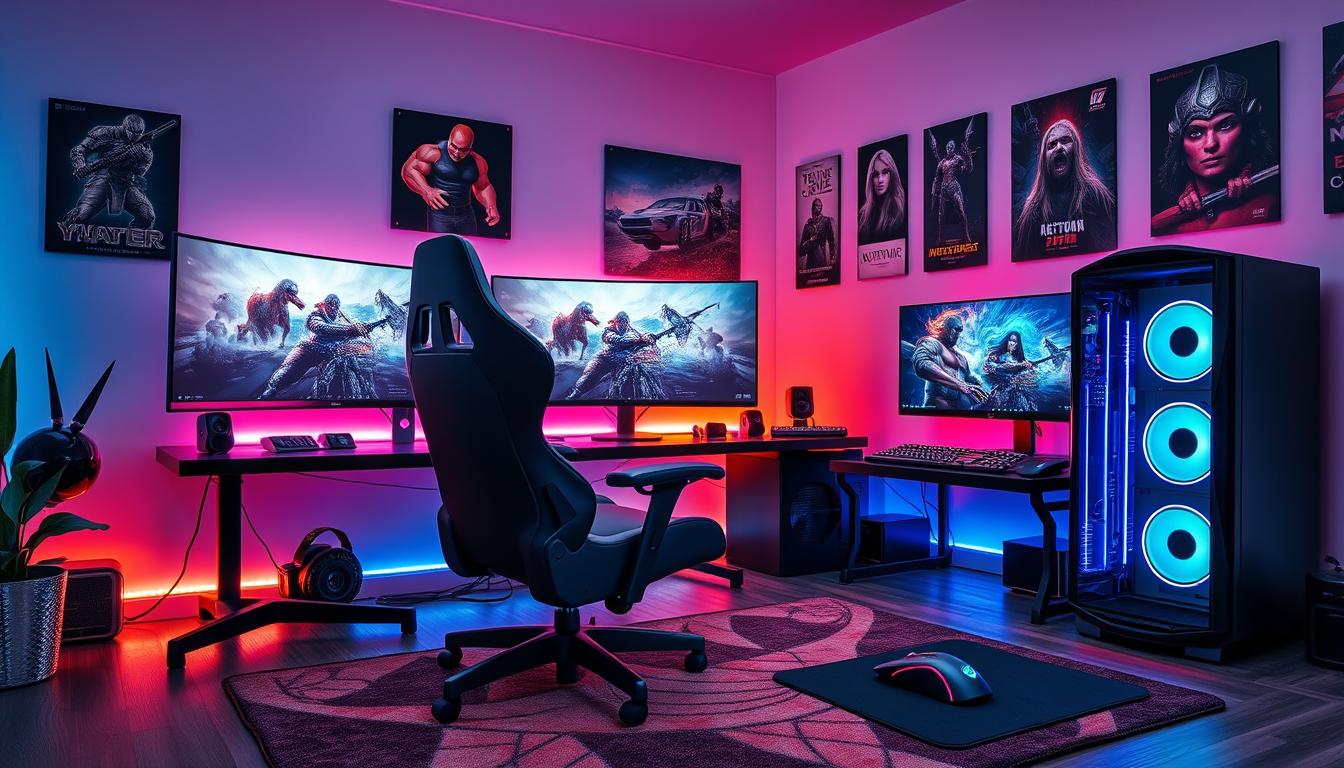
12 Most Expensive Gaming PCs You Can Buy In 2026 Setupgamers Cheap Gaming Setup 3 150x150 . Best MOBA Games Complete 2026 List Best Gaming Setups 1 . 40 Best Gaming Setups Ideas For 2026 To Elevate Your Gamer Room Go On With The Thinking . Pro Gamer Shotzzy Uses This High End PC Build For COD Streaming Image 2.webp. Ultimate Gaming Setup Guide 2025 Best Gaming Setup 2025


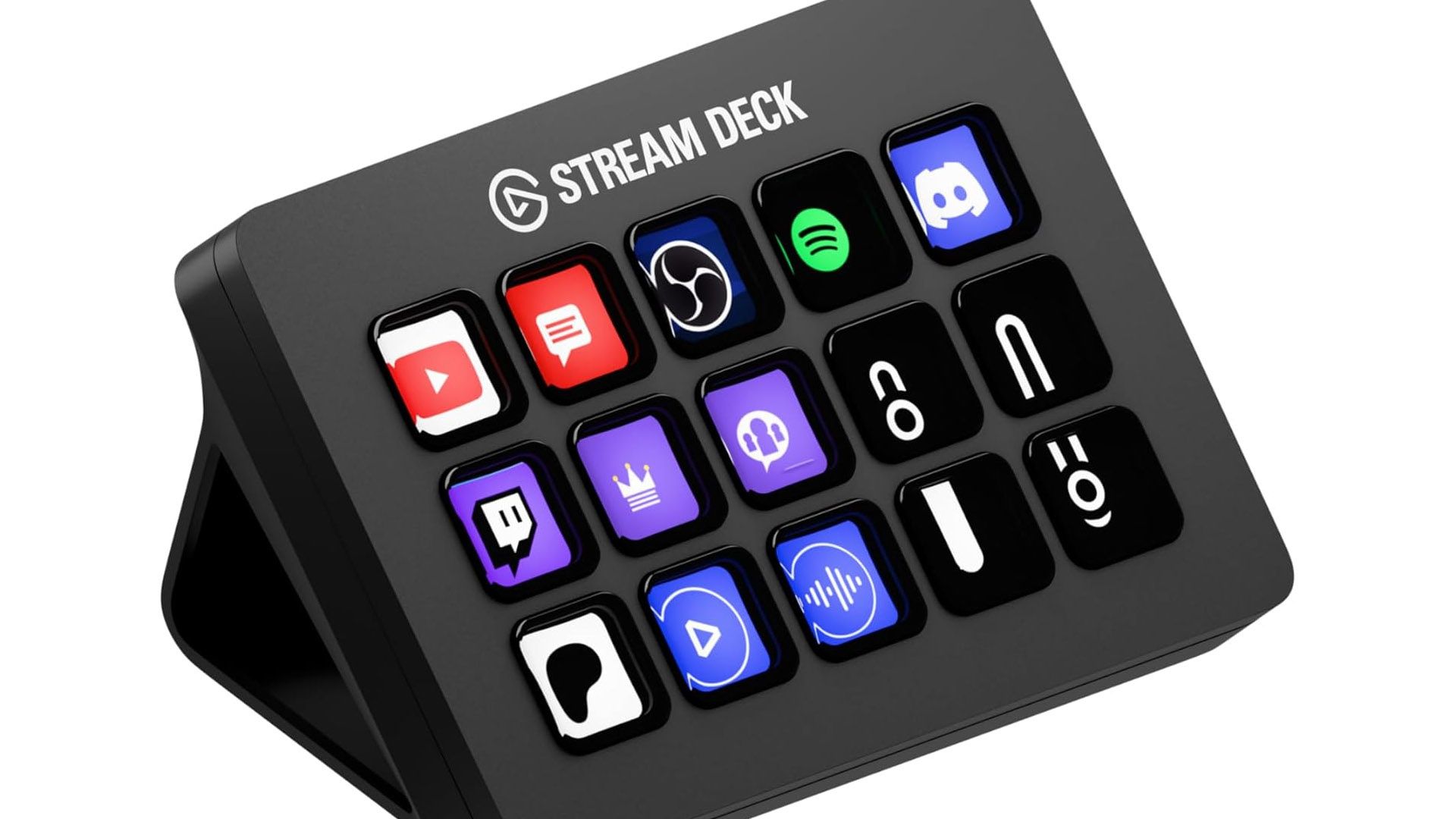
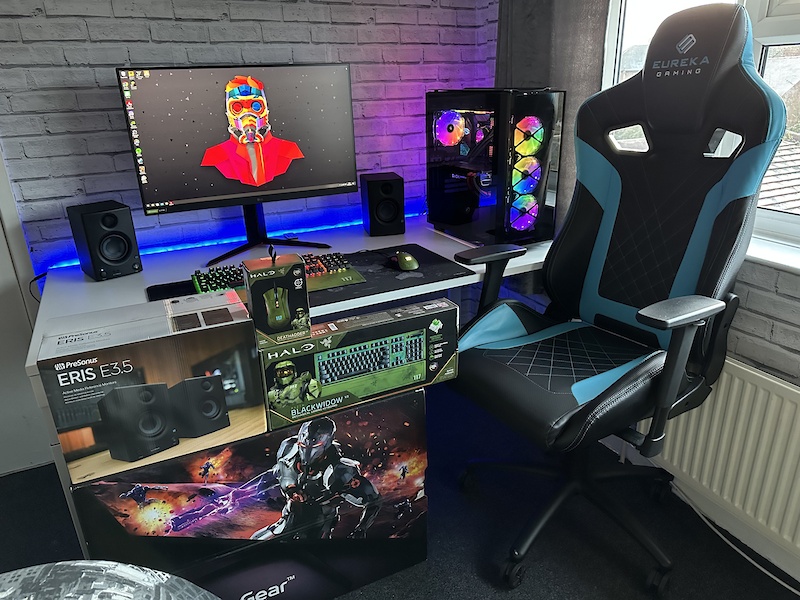
Best Cheap Gaming Setup PC Build In 2026 Setupgamers Cheap Gaming Setup 3 75x50 . The ULTIMATE Gaming Setup 2025 YouTube . The Best Cheap Gaming Laptops For 2026 Tested For Gaming Top 3 Gaming Laptops Of 2026 - The Ultimate Guide . Best Discounts On Gaming Items In Amazon S Big Spring Sale 2026 Amazonsale Elgato . 2022 High End Gaming PC Complete Setup For Sale

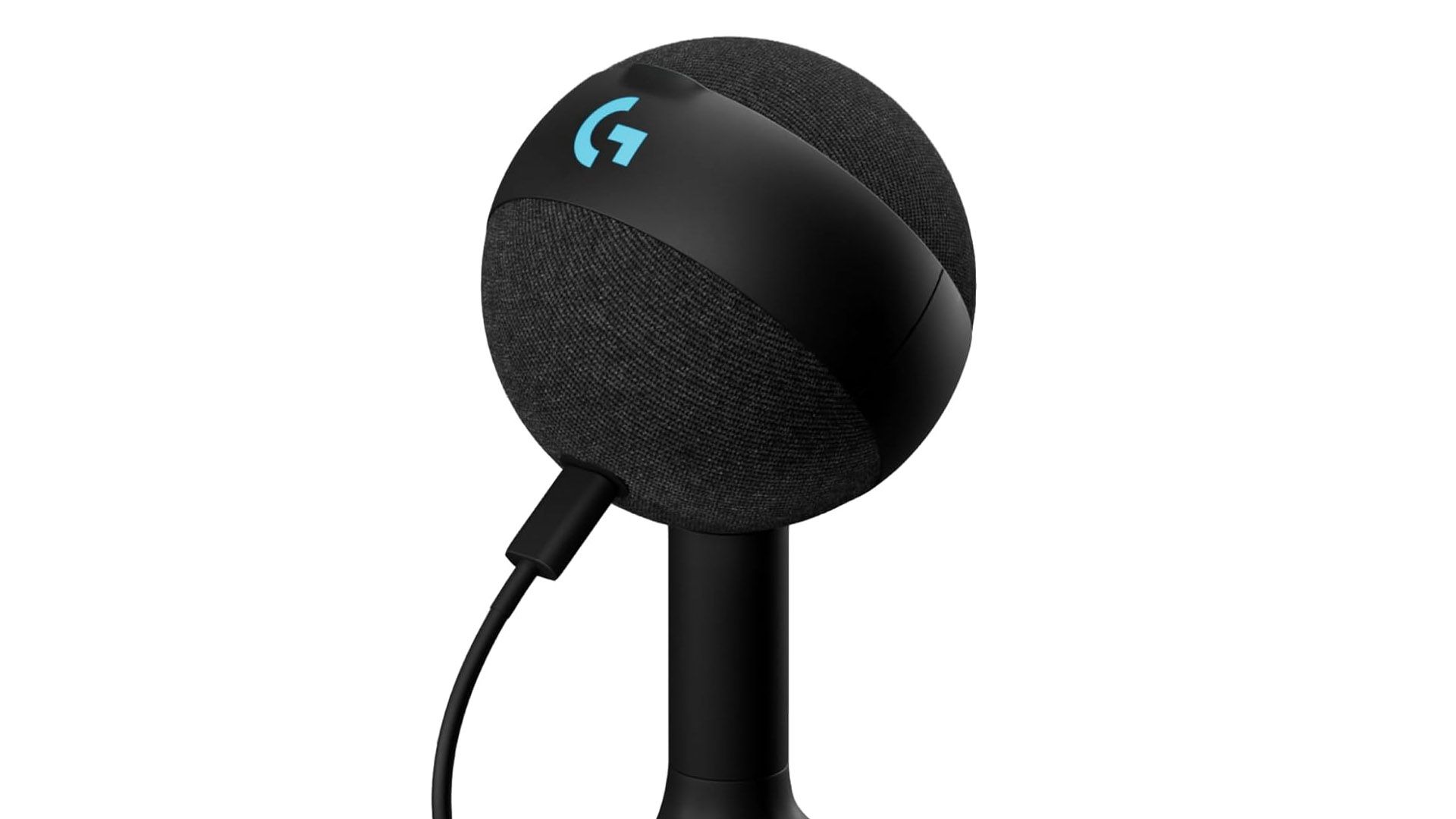
The 2026 Zephyrus Duo Lets You Do It All With Full Size Dual Screens . Best Discounts On Gaming Items In Amazon S Big Spring Sale 2026 Amazonsale Yeti . 10 Best Big Spring Sale Gaming Monitor Deals March 2026 On Amazon Featured 1024x559 . 15 Best Long HDMI Cables For Gaming March 2026 Guide Featured 2048x1143 . 10 Best Big Spring Sale Gaming Monitor Deals March 2026 On Amazon B0FT21HKZ6 Customer 1


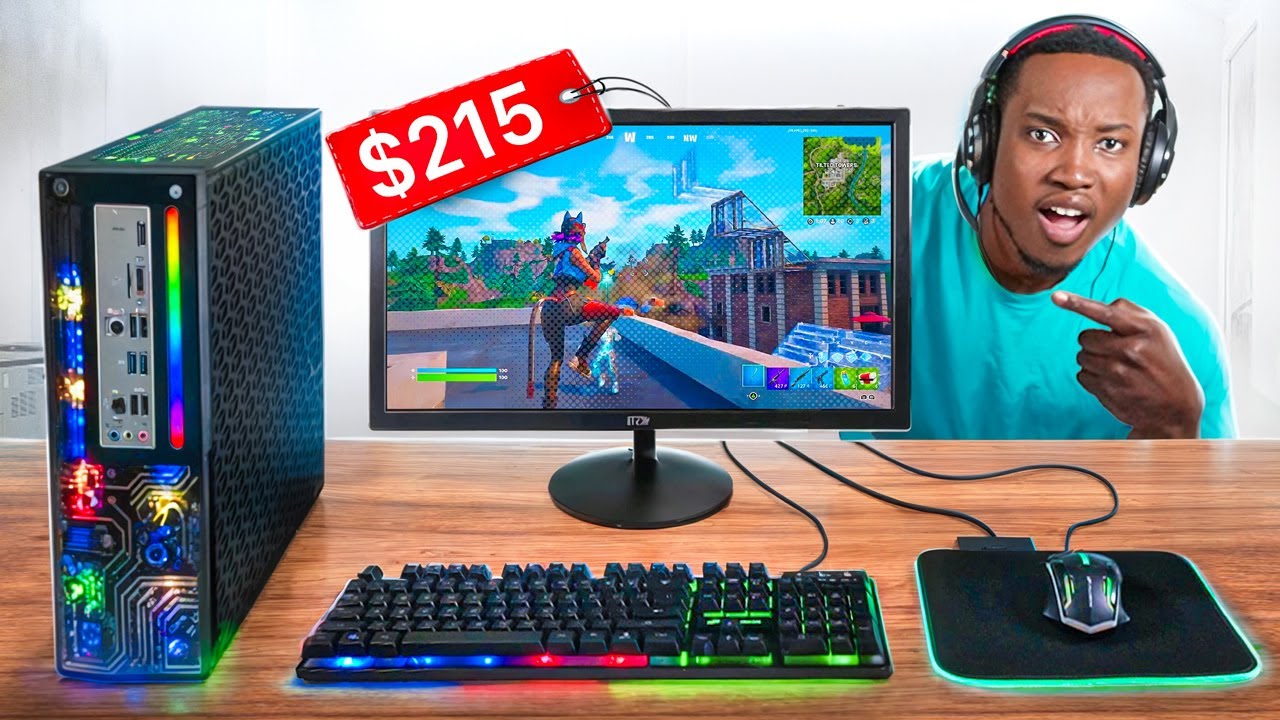
2024 PC Gaming Setup Console Gaming Setup Tour YouTube . 10 Best Big Spring Sale Gaming Monitor Deals March 2026 On Amazon B0FT21HKZ6 Customer 2 . Top 10 Most Anticipated Games Of 2026 What To Watch Out For GAMES IN 2026 . I Bought An ENTIRE Gaming Setup For 200 YouTube . Forget Prime Day I Just Built My Dream Gaming Setup With These 9

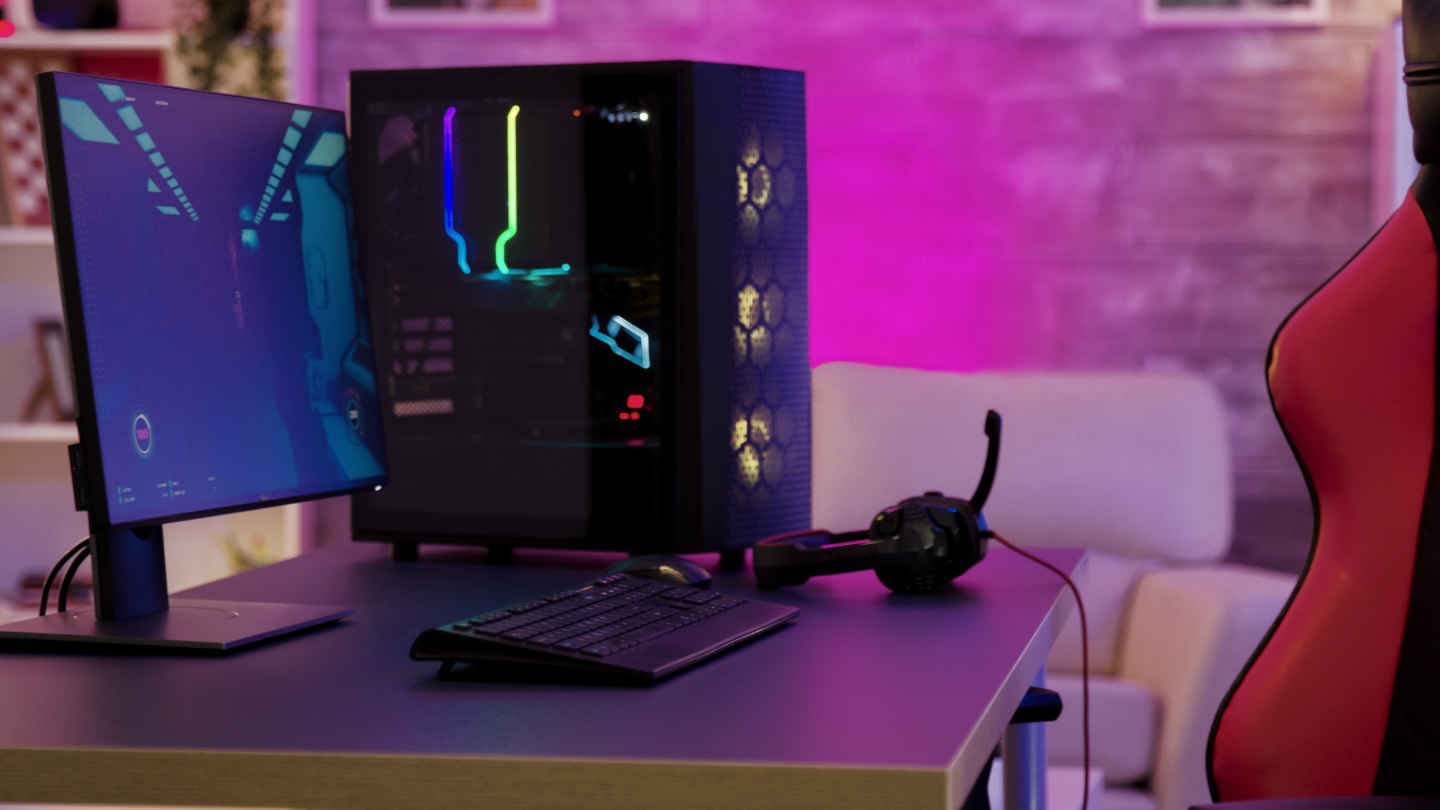


Best Gaming Setup Can Buy Separate Items Too For Sale In Victoria . Best Gaming Setup In 2024 Reach Ultimate PC Gaming Experience Best Gaming Setup 2024 . 3 Diskon GTA Di Steam Rockstar Sale 2026 IDN Times New 6147726b 9f64 4364 Bb25 . Guide Xbox Game Pass In 2026 The Full List Of Everything Announced So Far Large . Gaming Setup 2026 Hier Finden HI TECH Computer Htg Gaming Setup Banner3


AMD Chinese Firm Develop 1000Hz Gaming Monitor 2026 Release World . Best Gaming Monitors For 2026 Reviews And Bharat Erberbr . Top 10 Best Gaming Setups 2026 Master Your Play Now Gaming Room Idea2.webp. 3 Best Prebuilt Gaming PCs Of 2026 Power Up Your Gameplay Top 2025 Gaming Pc Picks 2g35l . MON SETUP GAMING 2026 A 100 000 YouTube


BEST GAMING LAPTOPS IN 2026 REVIEWED AND RANKED Technical . Deals Xbox Lunar New Year Sale 2026 Now Live 900 Games Discounted Deals Xbox Lunar New Year Sale 2026 Now Live 900plus Games . 15 Best Big Spring Sale Gaming Chair Deals March 2026 On Amazon B01MRZ02TL Customer 2 . Best Pc Gaming Set Up For Sale In Regina For 2024 . Best Linux Distro For Gaming In 2026 Linux Gaming 2026