Are you a dedicated gamer balancing career family and life but struggling with bulky rigs or outdated hardware This comprehensive guide unlocks the world of small form factor PCs These compact powerful machines are redefining how modern US gamers experience their favorite titles Offering incredible performance in a fraction of the space SFF PCs are perfect for anyone seeking a minimalist setup without sacrificing gaming prowess Discover how these powerful mini beasts deliver high frame rates seamless multitasking and the portability you crave Learn about the latest components budget friendly builds and optimization tips to get the most out of your compact gaming powerhouse Whether youre a competitive player or enjoy cozy social games understand why small form factor PCs are the smart upgrade for your 2026 gaming setup
What is a Small Form Factor PC
A Small Form Factor (SFF) PC is a compact desktop computer designed to take up significantly less physical space than traditional full-sized PCs. For gamers, this means a powerful machine capable of running the latest games but housed in a chassis often no bigger than a shoebox or a console. They achieve this by utilizing specialized motherboards like Mini-ITX, compact power supplies (SFX), and clever internal layouts to accommodate high-performance components like powerful graphics cards and CPUs.
Are Small Form Factor PCs Good for Gaming
Yes, absolutely! Modern SFF PCs are incredibly capable gaming machines. Advances in component technology and case design allow for top-tier CPUs and GPUs to be installed in these compact builds. This means you can enjoy the latest AAA titles at high resolutions and frame rates, comparable to what larger gaming rigs offer, without sacrificing performance. Many SFF enthusiasts build machines that rival or even surpass the power of standard desktop PCs.
What are the Advantages of an SFF PC for Gamers
The primary advantages for gamers include significant space-saving on your desk or in your entertainment center, enhanced portability for taking your rig to LAN parties or different rooms, and a sleek, minimalist aesthetic that fits modern home decor. Despite their size, they often offer excellent performance and can be surprisingly quiet due to optimized cooling solutions, providing an immersive gaming experience without the bulk.
How Do I Build a Budget-Friendly SFF Gaming PC
Building a budget-friendly SFF PC involves strategic component selection. Focus on mid-range CPUs (like AMD Ryzen 5 or Intel Core i5) and GPUs (like NVIDIA RTX 4060 or AMD RX 7600) that offer strong price-to-performance. Choose a slightly larger SFF case that accommodates more affordable standard components, if possible. Look for sales, previous-gen hardware, or open-box deals. Prioritize a good motherboard and power supply for stability, and allocate the rest of your budget to the best GPU you can afford.
What Components Do I Need for an SFF Gaming PC
You'll need a Mini-ITX motherboard, a CPU, a compatible CPU cooler (often a low-profile air cooler or a small AIO liquid cooler), a powerful discrete GPU (ensure it fits your chosen case), an SFX or SFX-L power supply, DDR4 or DDR5 RAM, and an NVMe SSD for storage. Carefully research the dimensions and compatibility of each component with your chosen SFF case, as space is at a premium.
Can SFF PCs Overheat Easily During Gaming
While SFF PCs have less internal volume for airflow, modern SFF cases are designed with excellent ventilation and support for efficient cooling solutions. With proper component selection (e.g., a good CPU cooler, well-placed case fans, or an AIO liquid cooler) and mindful cable management, SFF PCs can maintain optimal temperatures even during extended gaming sessions. However, thorough research into a case's thermal performance is crucial.
Is it Hard to Upgrade Components in an SFF PC
Upgrading components in an SFF PC can be more challenging than in a larger desktop due to tighter internal space and sometimes intricate disassembly procedures. Accessing certain parts might require removing others. However, many SFF cases feature modular designs or tool-less panels that simplify upgrades. With patience and the right tools, swapping out components like GPUs or RAM is certainly manageable, but it requires more careful planning and execution than in a spacious mid-tower.
Hey there, fellow gamers! Ever feel like your gaming rig takes up half your desk or that your battle station is constantly battling for space with your life? We get it. As adult gamers averaging around 36 years old, many of us balance demanding jobs, family commitments, and that crucial desire to unwind and connect through gaming. We love the thrill, the competition, and the social bonds formed in games like Helldivers 2, Palworld, or even revisiting classics in new co-op modes. But a massive, sprawling PC setup often just doesn't fit into our modern, streamlined lives.
That's where the magic of small form factor PCs, or SFF PCs, comes in. Imagine a beast of a gaming machine, capable of running the latest AAA titles at buttery-smooth frame rates, yet small enough to sit discreetly on your desk, tuck into a media console, or even travel with you. You're not alone in wanting performance without the footprint. With 87% of US gamers regularly playing and many clocking 10+ hours a week, optimizing our gaming space and experience is key. This guide is your trusted friend, here to show you how small form factor PCs are not just a trend but a smart, practical solution for today's busy gamer, offering powerful performance, value for money, and the flexibility you need to enjoy your passion without compromise.
What Exactly Is a Small Form Factor PC for Gamers
A small form factor PC, often referred to as an SFF PC, is essentially a compact desktop computer designed to take up significantly less space than a traditional full-tower or mid-tower system, while still packing a powerful punch. For gamers, this means a PC capable of housing high-end graphics cards, robust processors, and ample RAM within a chassis that can be as small as a shoebox. These machines are engineered to maximize internal space and airflow, allowing for impressive performance in titles like Cyberpunk 2077 or Valorant without overheating. They are a game-changer for those with limited desk space, home offices, or living room entertainment setups.
Are Small Form Factor PCs as Powerful as Larger Gaming Rigs
Absolutely! The perception that smaller means weaker is largely outdated. Modern small form factor PCs can be just as powerful, if not more powerful, than their larger counterparts. Advances in component miniaturization, efficient cooling solutions, and optimized power delivery mean you can fit top-tier CPUs like an Intel Core i9 or AMD Ryzen 9, and the latest NVIDIA RTX 40-series or AMD Radeon RX 7000-series GPUs into compact builds. The key is careful component selection and intelligent case design. Many gamers who balance work and play find SFF PCs provide the high-fidelity gaming experience they crave, whether they're streaming on Discord or diving into a VR adventure.
What Are the Main Benefits of Choosing an SFF PC for Gaming
The benefits of an SFF PC are numerous, especially for the modern US gamer. Firstly, space-saving is huge. Say goodbye to bulky towers dominating your room; an SFF PC fits neatly into any setup, from a minimalist desk to a cozy living room entertainment center. Secondly, portability is a significant advantage. Taking your powerful rig to a friend's house for a LAN party or moving it between rooms becomes much easier. Thirdly, they often boast a sleek, aesthetic appeal that blends seamlessly with contemporary home decor. Lastly, despite their size, many SFF PCs are surprisingly quiet thanks to optimized cooling designs, ensuring your focus remains on the game, not fan noise. This month, social gaming continues to dominate, and having a portable yet powerful machine for co-op nights is incredibly appealing.
How Do I Choose the Right Case for My SFF PC Build
Selecting the right SFF case is crucial, as it dictates the components you can use and your overall build experience. Consider these factors: case volume (measured in liters), GPU length and thickness clearance, CPU cooler height clearance (air vs. liquid AIO), and power supply compatibility (SFX, SFX-L, or sometimes ATX). Popular cases like the Cooler Master NR200P, Fractal Design Terra, or DAN Cases A4-H2O offer excellent balance for high-end gaming components. Read reviews and watch build guides to understand the thermal performance and ease of assembly for your chosen chassis. Remember, a good case ensures your components stay cool, which is vital for sustained gaming performance.
Can I Build a Budget-Friendly SFF Gaming PC
Yes, absolutely! While some high-end SFF builds can be pricey, building a powerful yet affordable small form factor PC is entirely possible. The trick is smart component selection. Focus on mid-range CPUs and GPUs that offer excellent price-to-performance ratios, such as an AMD Ryzen 5 or Intel Core i5 paired with an NVIDIA RTX 4060 or AMD RX 7600. Look for sales on previous generation hardware or consider open-box components. Opt for a slightly larger SFF case that might offer more compatibility with standard, often cheaper, parts. Remember, balancing gaming with a budget is a common reality, and a well-researched SFF build can deliver fantastic value without breaking the bank, leaving you some cash for those in-game purchases or a new cozy game.
What Are the Common Challenges When Building an SFF PC
Building an SFF PC can be a rewarding challenge, but it does come with its unique quirks. Space constraints are the primary hurdle, making cable management more intricate and component installation a tight squeeze. This can sometimes lead to longer build times and require more patience. Thermal management is another key consideration; while modern SFF cases are well-designed, ensuring adequate airflow and choosing appropriate coolers is vital to prevent throttling. Finally, component compatibility can be tricky, as not all standard-sized parts will fit. Always double-check dimensions for your chosen case, GPU, CPU cooler, and power supply before purchasing to avoid setup issues.
How Do I Maximize Performance in a Small Form Factor PC
To get the most out of your small form factor PC, focus on several optimization strategies. Firstly, ensure proper cooling with high-quality case fans or an AIO liquid cooler tailored for your case's dimensions. Good thermal paste also makes a difference. Secondly, optimize your operating system settings for gaming, disabling unnecessary background processes. Thirdly, keep your graphics drivers updated, as new releases often include performance improvements. Overclocking your CPU and GPU can yield extra frames, but do so carefully and monitor temperatures closely. Lastly, ensure your RAM is running at its advertised speed (XMP/DOCP profile enabled in BIOS) and that your games are installed on a fast NVMe SSD for quicker load times. Even small tweaks can significantly boost your gaming experience.
Which Games Are Best Suited for SFF PC Gaming
Small form factor PCs are versatile enough to handle nearly any game, but they particularly shine when you need a powerful yet portable setup for a diverse gaming library. For the casual gamer seeking relaxation after a long day, cozy games like Stardew Valley or Animal Crossing work flawlessly. For social play, popular titles like Fortnite, Apex Legends, or Among Us run smoothly, perfect for connecting with friends on Discord. If you're into competitive esports, an SFF PC can easily push high frame rates in CS2 or Valorant. Even graphically demanding AAA titles like Alan Wake 2 or Starfield can be enjoyed at high settings, thanks to modern SFF builds often housing top-tier components. The beauty is you don't have to compromise on your gaming choices just because your PC is compact.
Are SFF PCs More Energy Efficient Than Regular Desktops
Generally, not inherently. An SFF PC with the same high-end components as a larger desktop will consume a similar amount of power under load. However, the compact design often encourages more mindful component selection. Many SFF enthusiasts prioritize efficiency alongside performance, opting for components with better power-per-watt ratios, like newer generation CPUs and GPUs. The smaller space also makes it easier to manage power usage if you're selecting for low-power operation or optimizing settings. For gamers concerned about their carbon footprint or electricity bills, an SFF PC provides the flexibility to build an efficient system without sacrificing gaming quality, aligning with broader sustainability trends.
What Peripherals Work Best with an SFF PC Setup
When it comes to peripherals, SFF PCs are just like any other gaming PC, but the compact theme often extends to the accessories for a truly minimalist setup. Consider a compact mechanical keyboard (60% or TKL) and a lightweight, high-DPI gaming mouse. A good quality gaming headset is essential for immersion and social play, especially if you're often communicating with teammates. For displays, a high refresh rate monitor (144Hz+) is crucial for competitive gaming, and if space is tight, a curved ultrawide monitor can offer an immersive experience without needing multiple screens. Wireless peripherals can help maintain a clean, cable-free aesthetic around your small rig.
Is Upgrading Components Difficult in an SFF PC
Upgrading components in an SFF PC can be slightly more challenging than in a larger tower, but it's far from impossible. The tight internal space means less room to maneuver, and you might need to remove more components to access what you want to replace. For example, upgrading a GPU often involves careful measurements to ensure the new card fits both in length and thickness, while CPU cooler upgrades are limited by case height. Planning is key. If you know you'll want to upgrade frequently, choose an SFF case that offers better accessibility, such as one with tool-less panels or a modular design. With a little patience and the right tools, keeping your small form factor PC current with the latest hardware is definitely doable.
Whether you're battling foes in an intense esports match or enjoying the serene landscapes of a new open-world adventure, small form factor PCs offer an unbeatable combination of power, portability, and style. They perfectly cater to the modern gamer who needs a high-performance machine that fits seamlessly into a busy life, without the typical compromises. No more huge towers or awkward setups; just pure gaming power in a sleek, compact package. It's about optimizing your experience, saving space, and getting the most value for your hard-earned money.
What's your biggest gaming challenge with your current setup? Comment below!
FAQ Section
Q: Do SFF PCs run hotter than full-sized desktops?
A: While SFF PCs have less internal volume, modern designs and efficient cooling solutions mean they generally do not run significantly hotter than full-sized desktops, provided components are appropriately selected and airflow is managed well. Advanced heat pipes and AIO liquid coolers are common.
Q: Can I use standard PC components in an SFF build?
A: Most SFF builds require specific component sizes, such as SFX or SFX-L power supplies and smaller motherboards (Mini-ITX). GPUs and CPU coolers also need to fit within strict dimensional limits. Always check case compatibility before buying standard-sized parts.
Q: Are SFF PCs good for streaming and content creation?
A: Yes, if configured with powerful multi-core CPUs and high-end GPUs, SFF PCs are excellent for streaming and content creation. Many streamers appreciate their compact footprint for clean desk setups while still handling demanding tasks like 4K video editing and live broadcasting.
Q: How much does a good SFF gaming PC cost?
A: The cost varies widely. A solid entry-level SFF gaming PC might start around 800-1000 USD, while high-end builds with premium components and custom loops can easily exceed 2500 USD. Building yourself is often more cost-effective than buying pre-built.
Q: What is the typical lifespan of an SFF gaming PC?
A: The lifespan of an SFF gaming PC is similar to any desktop, typically 3-5 years before major upgrades are considered, or 5-7 years for general use. Component quality, cooling efficiency, and how well it's maintained play key roles.
Q: Where can I find build guides for specific SFF cases?
A: Popular resources include YouTube channels like Optimum Tech or Hardware Canucks, forums like r/sffpc on Reddit, and specialized SFF enthusiast websites. These offer detailed reviews, build logs, and component compatibility lists for various cases.
Compact Size Powerful Performance Space Saving Easy Portability Modern Aesthetics Energy Efficient Quiet Operation Ideal for Home Office or Living Room Gaming
35
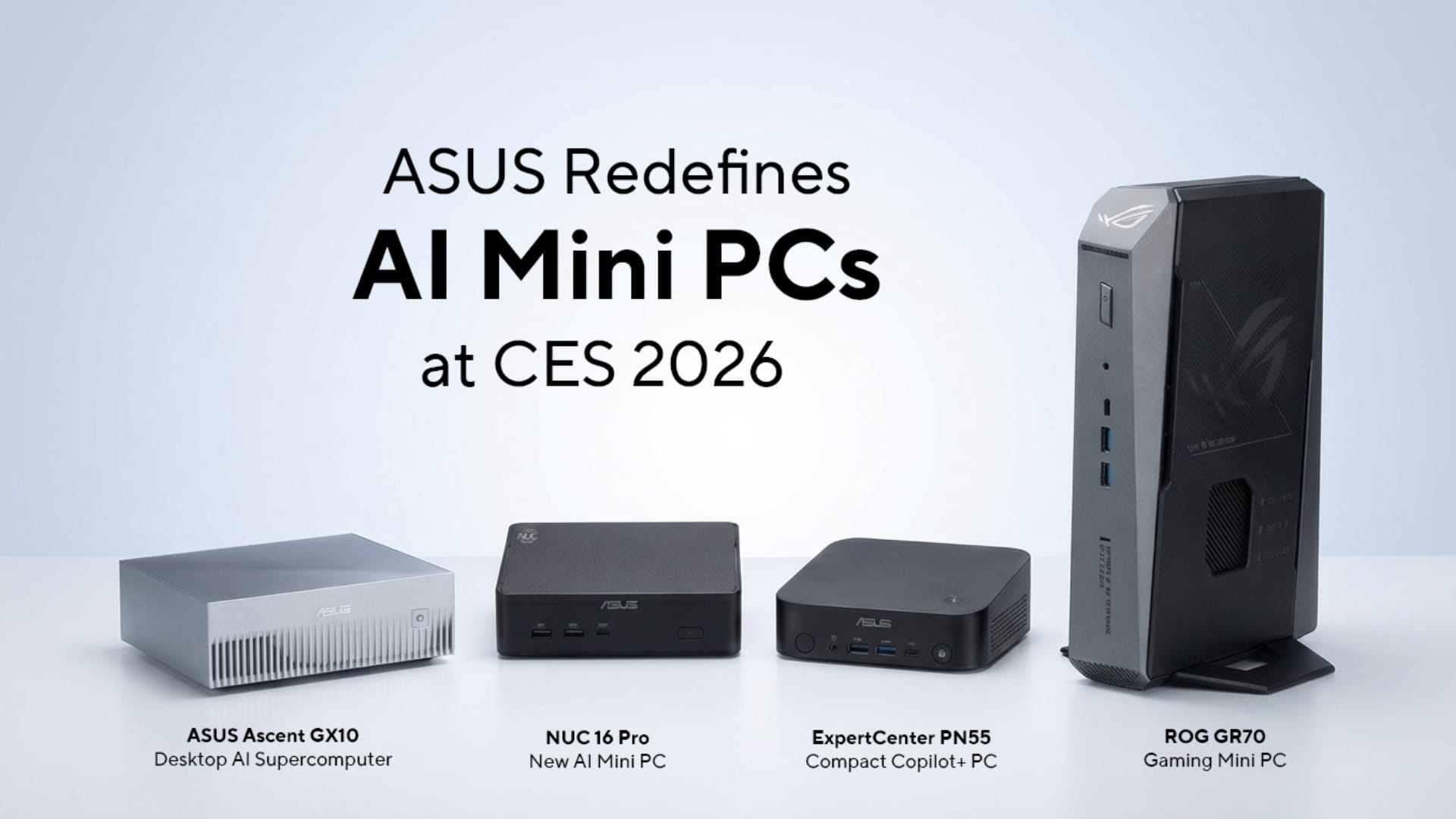

Best Mini Gaming PC 2026 Top Small Form Factor PCs Tested Best Mini Gaming Pc . ASUS Unveils Ultrasmall Form Factor PCs With A Focus On AI Performance ASUS Unveils Ultrasmall Form Factor PCs With A Focus On AI Performance At CES 2026 . 8 Best Small Form Factor PCs July 2026 Expert Reviews Best Small Form Factor PCs . 12 Best Small Form Factor PCs July 2026 Expert Reviews Best Small Form Factor PCs . 7 Best Small Form Factor Gaming PCs July 2026 Expert Reviews Best Small Form Factor Gaming PCs


10 Best Small Form Factor PC Cases For Gaming July 2026 Top Tested Best Small Form Factor PC Cases For Gaming . 10 Best Small Form Factor PCs For YEAR Mini PC Reviewer SL500 . Best Small Form Factor Gaming PCs 2026 Guide PC Gaming Universe 715gvk7Sz L. AC SL500 . Best Small Form Factor Pc In 2026 Complete Buyer S Guide Gaming PC Guru Best Small Form Factor Pc 2026 . 10 Best Small Form Factor PCs For Software Developers July 2026 Best Small Form Factor PCs For Software Developers 1024x559


8 Best Small Form Factor PCs July 2026 Expert Reviews B0DBBVNJ7H Customer 1 . 10 Best Small Form Factor PCs For YEAR Mini PC Reviewer Top Compact Pcs 2026 Toe17 930x575 . Best Graphics Card For Small Form Factor Pc Of 2026 PCGearWiki Best Graphics Card For Small Form Factor Pc. 9 Best Small Form Factor PCs March 2026 Complete Guide Featured Image Uurr7gnx . 9 Best Small Form Factor PCs June 2026 Complete Guide B0BC7S9R5C Customer 2 1536x1152


14 Best Small Form Factor PC Builds For 2026 That Save Space Digitech Compact Small Pc Builds Uua7z . 9 Best Small Form Factor PCs June 2026 Complete Guide B0DJSPDWWH Customer 2 1153x1536 . Compact PCs Choosing Hardware For Small Form Factors Compact PCs Choosing Hardware For Small Form. 10 Best Small Form Factor PCs For YEAR Mini PC Reviewer Top Mini Pcs 2026 Ibluz . 3 Best Small Form Factor PCs In 2026 Geekom Small Form Factor Pc 1


9 Best Small Form Factor PCs March 2026 Complete Guide 41Noklg74gL . 9 Best Small Form Factor PCs June 2026 Complete Guide B0DJSPDWWH Customer 1 1153x1536 . 9 Best Small Form Factor PCs June 2026 Complete Guide 41tgbq HmEL . Why Buy Prebuilt Small Form Factor PCs Why Buy Prebuilt Best Small Form Factor Pcs At Eve Banner.webp. Building My New Small Form Factor PC 2026 Video Editing And Gaming
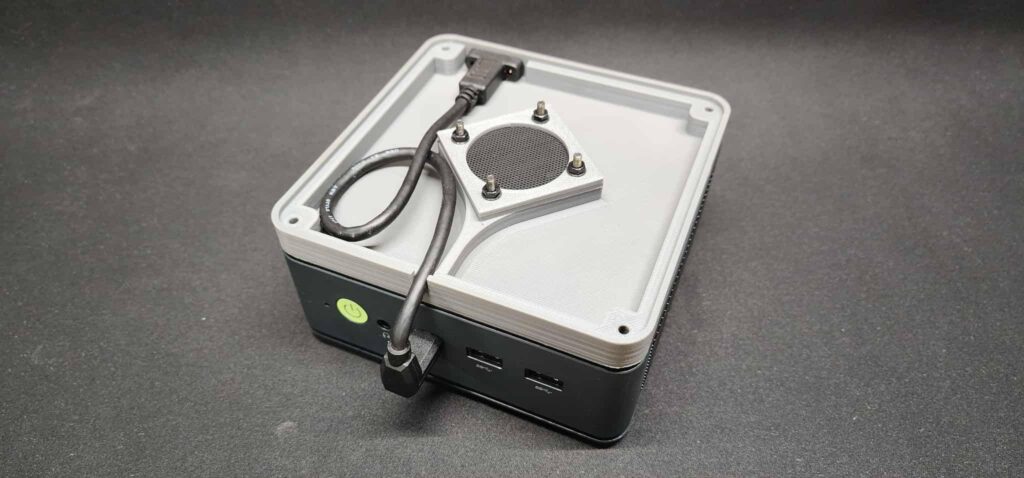
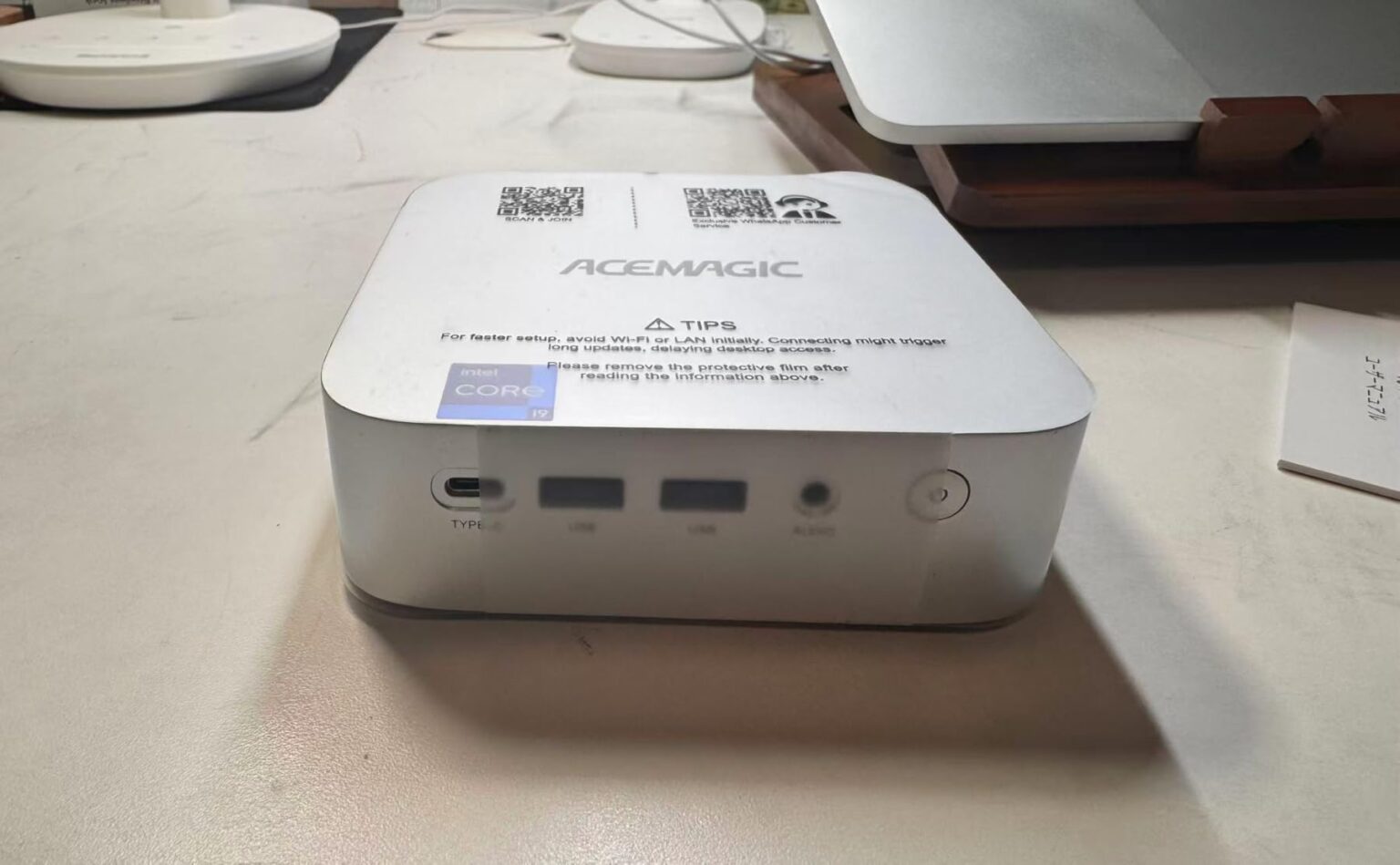
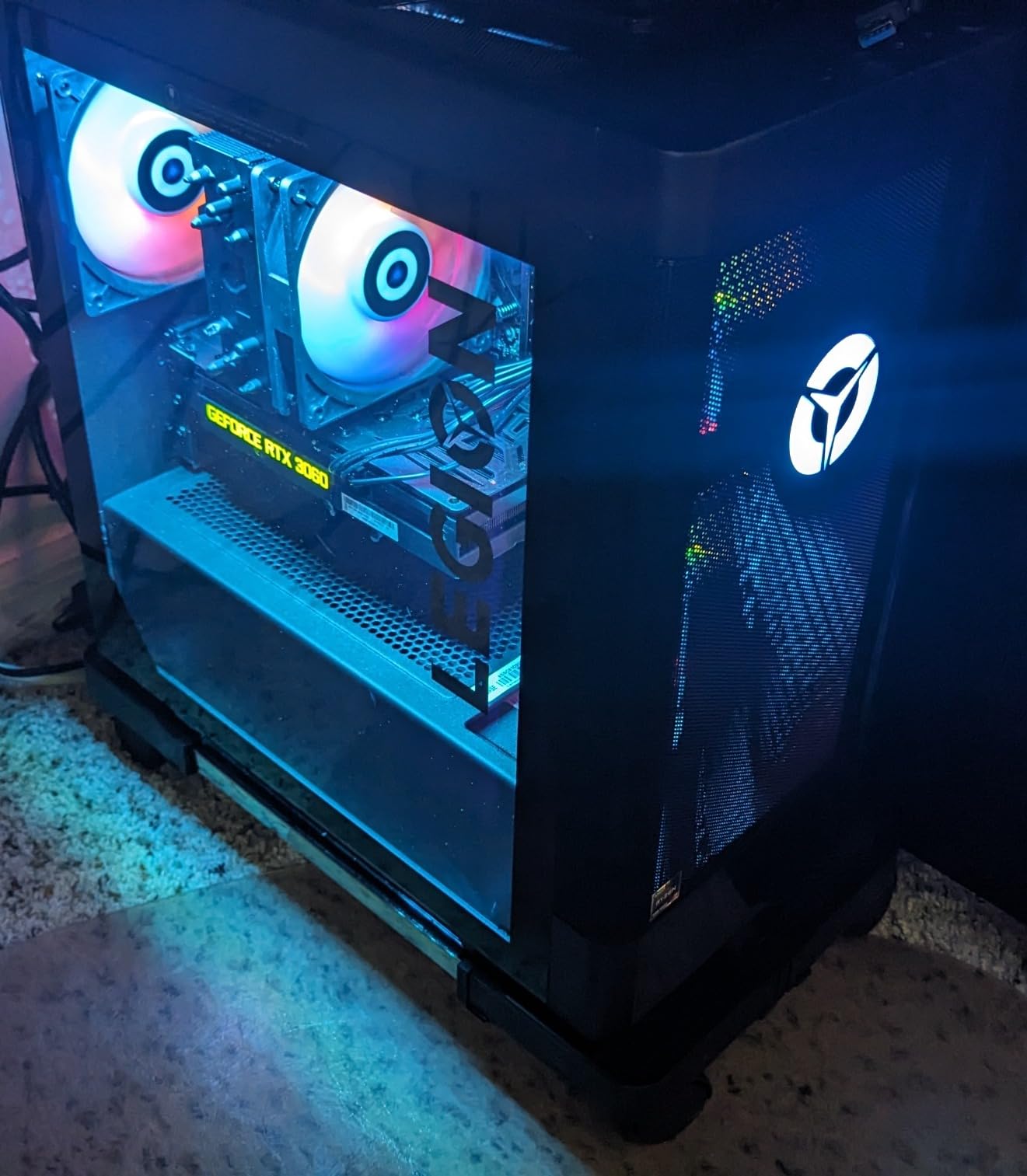
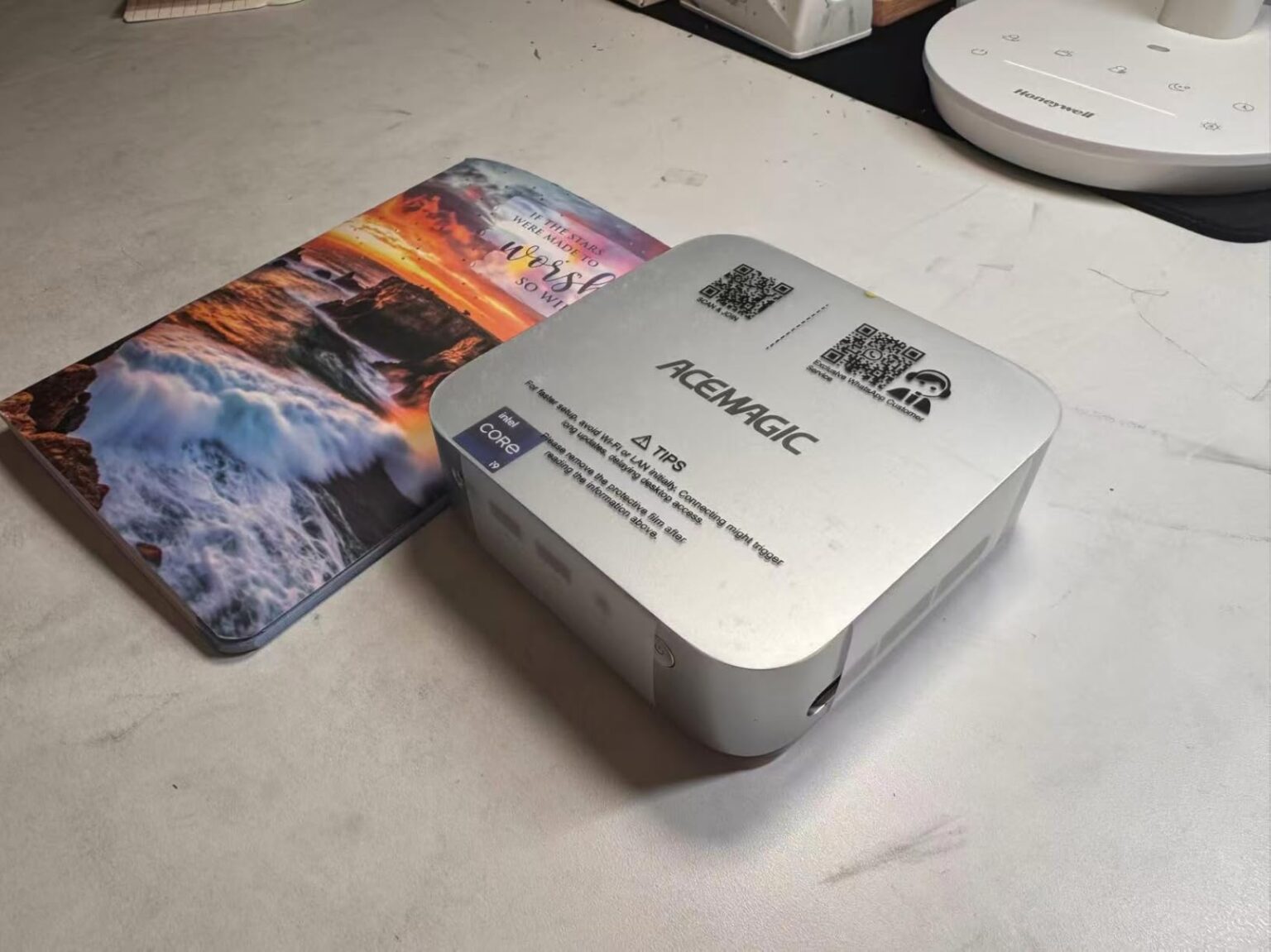
9 Best Small Form Factor PCs June 2026 Complete Guide B0CQ4WBV8L Customer 1 1024x478 . 9 Best Small Form Factor PCs June 2026 Complete Guide B0FG7YD2D8 Customer 1 1536x949 . 10 Best Slim Case Fans For Small Form Factor PCs April 2026 Guide Best Slim Case Fans For Small Form Factor PCs 1024x683 . 9 Best Small Form Factor PCs March 2026 Complete Guide B0CWKVXYK5 Customer 1 . 9 Best Small Form Factor PCs June 2026 Complete Guide B0FG7YD2D8 Customer 2 1536x1151


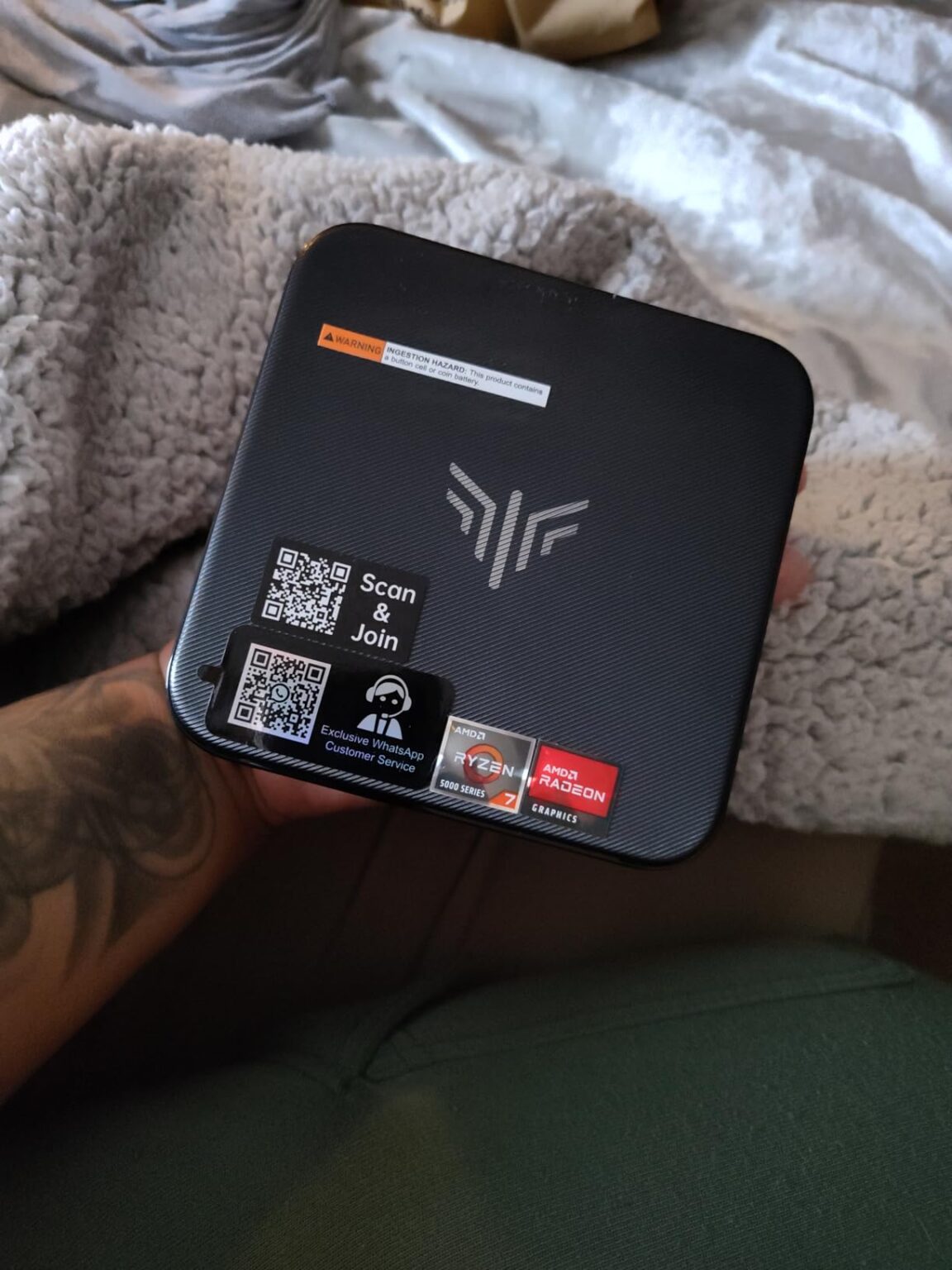


10 Best Small Form Factor PCs For YEAR Mini PC Reviewer Top Mini Pcs 2026 R8b08 . ITX Small Form Factor Gaming PC Build 2026 Gaming PC Guru 712jak5mQ L. AC SL1500 . 9 Best Small Form Factor PCs June 2026 Complete Guide B0C1M822S2 Customer 1 1152x1536 . Small Form Factor PC Radeus Labs Small Form Factor PC 1General 45 16112 STACK Scaled . Build A Small Form Factor PC With Cooler Master S NR200 Case Up To 25 Build A Small Form Factor Pc With Cooler Master S Nr200 Case Up To 25 Off Windows Central 1