Roblox's Animation Lab is transforming how creators bring their virtual worlds to life. For the average US gamer, around 36 years old and balancing life's demands, learning animation might seem daunting. This guide cuts through the complexity, offering practical tips and tricks to use the Animation Lab in Roblox Studio effectively. Whether you're looking to create dynamic character movements for your game, add expressive gestures, or simply explore a new skill for relaxation, understanding the Animation Lab is key. We'll cover everything from initial setup and basic controls to advanced techniques and troubleshooting common issues. Discover how to leverage this powerful tool to enhance your Roblox creations, making your games more engaging and professional without needing extensive prior animation experience. Dive into the world of Roblox animation and unlock your creative potential, improving your in-game experiences and potentially even earning some Robux along the way. Stay ahead in the ever-evolving Roblox ecosystem, where engaging content drives player retention and community growth.
Related games- Guide Fix Roblox Unitment Driving Lag in 2026
- Guide How To Resell Roblox Items Safely Smartly
- Guide How To Sell Your Gaming Setup 2026 Edition
- How to Master Roblox Winking Face 2026 Guide
- Guide to Roblox Followers: Boost Your Profile in 2026
Q: How do I fix common issues like animation not playing in Animation Lab Roblox?
A: When your animation isn't playing, first verify your Animation ID is correct and copied accurately into your script. Ensure the Animation object in your game is properly parented to the Humanoid of the character you're trying to animate. Check your script for any typos in the `LoadAnimation` or `Play` calls. Confirm the animation was successfully uploaded to Roblox. Sometimes, re-saving and re-uploading the animation, or simply restarting Roblox Studio, can resolve transient glitches that prevent playback.
Q: What are the best practices for optimizing animation performance in Roblox Studio?
A: To optimize animation performance, aim for efficiency. Minimize the number of keyframes in your animations, using only what's necessary to convey motion. Reuse existing animations whenever possible instead of creating unique ones for similar actions. Consider using R6 rigs for simpler characters, as they have fewer parts and generally less computational overhead than R15. Implement efficient scripting to load and play animations only when they are needed, reducing the game's overall memory footprint. Regularly test your game on various devices to identify and address any animation-related lag, ensuring a smooth experience for all players, especially on mobile.
Q: Can I import external animations into Roblox Animation Lab, and if so, how?
A: While the Animation Lab itself primarily focuses on creating animations directly within Roblox Studio, you can import animations created in external software like Blender. This typically involves exporting your animation from the external software as an FBX file. You'll then import the FBX into Roblox Studio as an animation asset. Once imported, you might need to convert it into a Roblox Animation asset and potentially adjust it within the Animation Lab for proper rig mapping and functionality. This offers flexibility for creators who prefer specific external tools, allowing them to leverage professional-grade animation then integrate it into their Roblox games.
Q: What is the difference between R6 and R15 animation rigs in Roblox and which should I use?
A: R6 and R15 refer to the two primary character rigging standards in Roblox. R6 characters have a simpler 6-part body structure (torso, head, arms, legs), leading to more blocky, classic Roblox movements. R15 characters feature 15 body parts, including additional joints for elbows, knees, and wrists, allowing for much more fluid and realistic animations. Your choice depends on your game's aesthetic and animation needs. R15 offers greater expressive potential but can be more complex to animate and potentially more demanding on performance. For detailed, natural movements, R15 is preferred. For simpler, retro styles or performance-critical games, R6 might be sufficient.
Q: How do I smoothly transition between different animations for my Roblox character?
A: Achieving smooth animation transitions in Roblox involves using the `AnimationTrack:Play()` function with the `fadeTime` parameter. When playing a new animation, specify a `fadeTime` value (e.g., 0.2 to 0.5 seconds) to blend the outgoing animation with the incoming one. This prevents abrupt cuts and creates a seamless flow between actions. Additionally, ensure your animations have consistent speeds and try to match starting and ending poses where possible. Leveraging `AnimationTrack:AdjustWeight()` can also help fine-tune how different layered animations interact, ensuring a natural blend between complex movements, essential for a polished player experience.
Q: What are some free resources to learn advanced Animation Lab Roblox techniques?
A: For advanced Animation Lab techniques, the Roblox Developer Hub offers extensive official documentation and tutorials that delve into more complex concepts like animation priorities and scripting. YouTube is a goldmine for visual learners, with countless expert creators sharing in-depth guides on intricate movements, layering, and optimizing. Joining the Roblox Developer Forum and various Roblox-focused Discord communities provides opportunities to ask specific questions, learn from experienced developers, and discover innovative solutions. These resources are invaluable for continuously leveling up your animation skills without spending a dime.
Q: How can I ensure my Roblox animations look natural and realistic?
A: To make your Roblox animations look natural and realistic, focus on applying fundamental animation principles like anticipation, follow-through, and overlapping action. Incorporate subtle movements for secondary elements, such as clothing or hair, to add realism. Utilize easing functions on your keyframes to create smooth acceleration and deceleration, avoiding robotic, linear motion. Observe real-world movements and try to replicate their nuances. Experiment with the `AnimationPriority` property to ensure critical movements take precedence, preventing jarring overlaps. Consistent practice and attention to detail will significantly enhance the organic feel of your character animations.
As a gamer juggling work, family, and life, you know every moment counts. You crave experiences that offer relaxation, fun, and perhaps even a chance to build new skills without a massive time sink or a steep learning curve. The world of Roblox, with its vast creative potential, often beckons, promising endless possibilities. But have you ever admired a game's fluid character movements or expressive emotes and thought, 'How do they do that?' Or perhaps you've tried to make your own creations, only to hit a wall when it comes to bringing your characters to life. You're not alone. Many adult gamers, part of the 87 percent of US gamers who play regularly for 10+ hours a week, feel the pressure to keep up with trends, but often lack the specialized knowledge or time. This month, the Animation Lab Roblox tool has become a hot topic, offering an accessible gateway into game animation within Roblox Studio. It s designed to empower creators like you, helping you add that professional polish to your games, engage your players more deeply, and even find a new avenue for creative expression. No need for expensive software or complex coding; this guide will walk you through mastering the Animation Lab, turning potential frustrations into rewarding achievements. We'll tackle common pain points, from initial setup woes to perfecting intricate movements, ensuring your creations stand out in the bustling Roblox universe.
What is Roblox Animation Lab and why should I use it?
The Roblox Animation Lab is a powerful, built-in plugin within Roblox Studio that allows developers to create, edit, and manage animations for their characters and objects. Unlike traditional animation software that can be complex and expensive, Animation Lab provides an intuitive, timeline-based interface directly within your Roblox development environment. For busy gamers, it's an invaluable tool because it streamlines the animation process, letting you bring your virtual characters to life with expressive movements, emotes, and dynamic actions, all without needing to learn external software or deep coding. It directly enhances player engagement and game immersion, making your creations more appealing and professional. In an age where social gaming and unique content drive player retention, mastering animation sets your game apart.
How do I set up and access Animation Lab in Roblox Studio?
Getting started with Roblox Animation Lab is straightforward. First, open Roblox Studio and navigate to the 'Plugins' tab at the top. From there, click on 'Animation Editor'. If you don't see it, you might need to install it from the Roblox Creator Marketplace or ensure it's enabled under 'Manage Plugins'. Once launched, the Animation Editor window will appear, usually prompting you to select a character model in your workspace to begin animating. For optimal workflow, it's recommended to have your character rig (either R6 or R15) already set up in your workspace. This seamless integration means less setup time and more creative freedom, perfect for gamers balancing their passion with other commitments.
What are the basic controls and interface elements of Animation Lab?
The Animation Lab interface is designed for user-friendliness. At its core, you'll find a timeline at the bottom, where you'll create and manage keyframes. Keyframes mark specific poses or positions in your animation sequence. The main viewport allows you to manipulate your character's joints and parts directly. On the left, a 'Properties' panel shows values for selected parts, while on the right, you have playback controls (play, pause, stop) and options to loop or adjust animation speed. You'll use tools like 'Rotate' and 'Move' to pose your character, adding keyframes with a simple click. Understanding these fundamental controls is your first step to turning static models into vibrant, moving characters, making the process feel less like work and more like play.
How can I create my first basic animation in Roblox?
Creating your first animation is simpler than you think. After launching the Animation Editor and selecting your character (e.g., a Dummy or player character model), name your animation. On the timeline, the initial pose is usually the first keyframe. Move your character's limbs or body parts to a new position using the transform tools. Once satisfied with a pose, click the 'Add Keyframe' button (often represented by a small diamond or plus sign on the timeline) or simply move the timeline scrubber to a new point and adjust the pose. Repeat this process to create a sequence of poses. Use the 'Play' button to preview your animation. This iterative process of posing and keyframing forms the foundation of all your Roblox animations, quickly building muscle memory for future, more complex projects.
What are key techniques for more realistic or expressive animations?
To move beyond basic poses, focus on principles like anticipation, follow-through, and overlapping action. Anticipation involves a preparatory movement before a main action, like a character crouching before a jump. Follow-through refers to the secondary motion that occurs after the main action has completed, such as a character's arm swinging slightly back after throwing a punch. Overlapping action means that not all parts of the body move and stop at the same time, creating a more fluid and natural look. Experiment with easing functions (ease-in, ease-out) on your keyframes to control the acceleration and deceleration of movements. Also, consider subtle secondary actions, like hair or clothing movement, to add depth. These techniques, while requiring practice, dramatically elevate the realism and expressiveness of your animations.
How do I optimize my animations for performance in Roblox games?
Performance optimization is crucial, especially for the 60 percent of gamers who play on mobile or budget-friendly PCs. High-fidelity animations with excessive keyframes can strain game performance. To optimize, aim for the fewest keyframes necessary to achieve your desired motion. Reuse animations for similar actions (e.g., different characters using the same walk cycle). Consider using R6 rigs for simpler characters, as they typically have fewer parts and thus lower computational overhead than R15 rigs. Ensure animations are loaded and played efficiently through scripting; only load animations when they are actually needed. Regularly test your game on various devices to identify and address any performance bottlenecks caused by animations, ensuring a smooth experience for all players.
What are common Animation Lab issues and how can I troubleshoot them?
Even seasoned creators encounter issues. A common problem is animations not playing. First, ensure your animation is properly saved to Roblox and you have the correct Animation ID copied into your script. Verify that the Animation object in your game is correctly parented to a character's Humanoid or an appropriate part. Check your script for any typos or logical errors in loading or playing the animation. Sometimes, the rig might be corrupted; try re-importing or rebuilding your character. If the Animation Editor itself becomes unresponsive, a quick restart of Roblox Studio often resolves it. For persistent issues, clearing Roblox Studio's cache or reinstalling the plugin can be beneficial. Don't forget to consult Roblox's developer forums for community solutions.
How can I share and integrate my animations into my Roblox games?
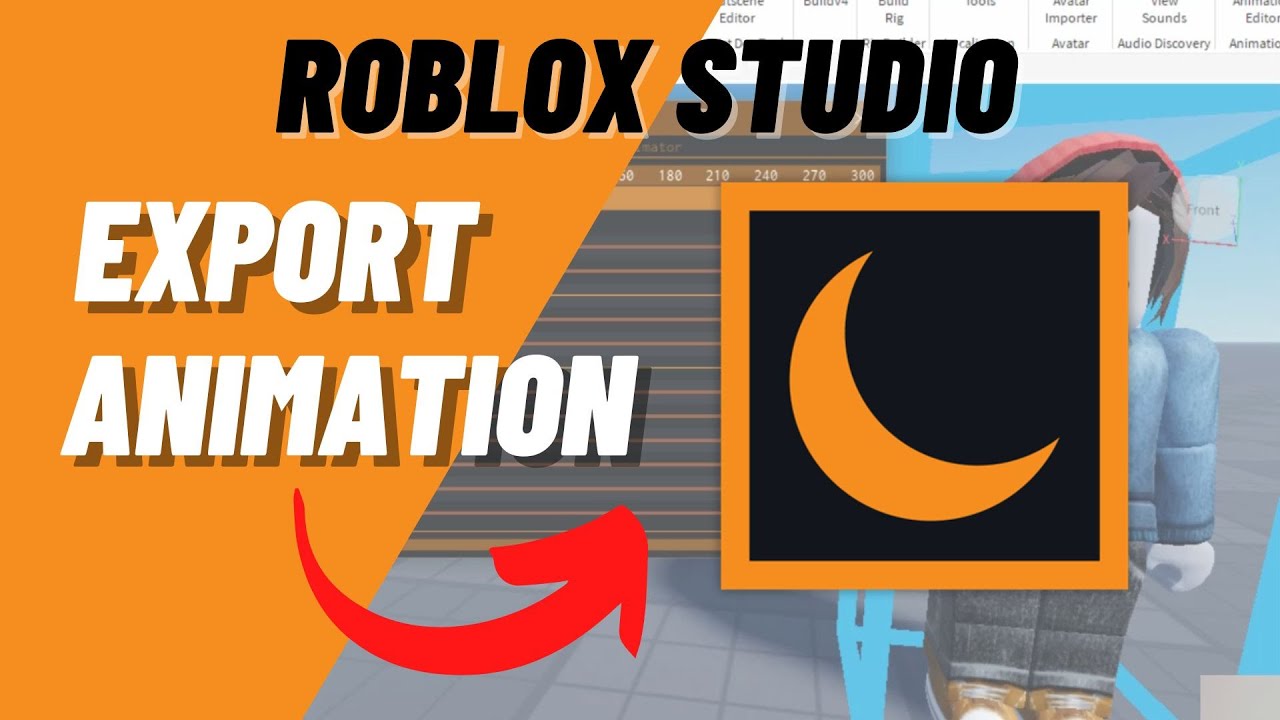
Once your animation is perfect, click the 'Export' button in the Animation Editor and select 'To Roblox'. This will save your animation asset to your Roblox account, providing you with a unique Animation ID. To integrate it into your game, you'll typically use a script. Inside your script, create an 'Animation' object, parent it to your character's Humanoid, and set its 'AnimationId' property to the ID you just obtained. Then, use `Humanoid:LoadAnimation(animationObject)` to load the animation and `animationTrack:Play()` to play it. This process allows you to control when and how your animations appear in-game, bringing your created movements to life for players worldwide, whether they're on PC, console, or mobile.
Are there any advanced tips for Animation Lab users?
For those looking to push boundaries, consider layering animations. You can play multiple animations simultaneously, such as a walk cycle combined with an arm wave, by adjusting their 'Weight' properties to blend them seamlessly. Experiment with inverse kinematics (IK) if your rig supports it, allowing for more natural posing by moving end effectors (like hands or feet) instead of individual joints. Utilize custom events within your animations to trigger specific actions in your scripts, like playing a sound effect exactly when a character's foot hits the ground. Learning about different animation priorities can also help resolve conflicts when multiple animations try to play at once, ensuring your most important movements always take precedence.
Where can I find resources and community support for Roblox Animation Lab?
The Roblox community is a treasure trove of knowledge. The official Roblox Creator Documentation is an excellent starting point, offering comprehensive guides and API references. For visual learners, YouTube hosts countless tutorials from experienced Roblox developers, covering everything from beginner basics to advanced techniques. Actively participate in the Roblox Developer Forum; it's a vibrant hub where you can ask questions, share your work, and learn from others' experiences. Discord servers dedicated to Roblox development are also fantastic for real-time help and networking. Engaging with these resources not only helps solve your immediate problems but also keeps you updated on the latest trends and best practices in Roblox animation.
Navigating the creative landscape of Roblox while balancing real-world responsibilities can be a challenge. But with tools like the Animation Lab Roblox, adding professional polish and captivating movement to your games is more accessible than ever. We've explored everything from initial setup and basic animation creation to advanced optimization techniques and troubleshooting common hurdles. Remember, whether you're animating for relaxation, skill-building, or to boost your game's appeal, the key is consistent practice and leveraging the robust community resources available. Embrace the learning process, experiment with different styles, and watch your creations come to life. Your ability to craft engaging, animated experiences not only enhances player immersion but also solidifies your place as a skilled creator in the Roblox ecosystem. What's your biggest gaming or creation challenge in Roblox right now? Comment below and let's find a solution together!
FAQ Section
What is the best way to learn Animation Lab fast?
Start with official Roblox documentation and beginner YouTube tutorials. Focus on understanding keyframes and basic character movement. Practice regularly by trying to animate simple actions like walking or waving. Don't be afraid to experiment, and learn from community examples. Consistent, hands-on practice is more effective than just watching, helping busy gamers quickly grasp core concepts.
Can I use Animation Lab for non-human characters?
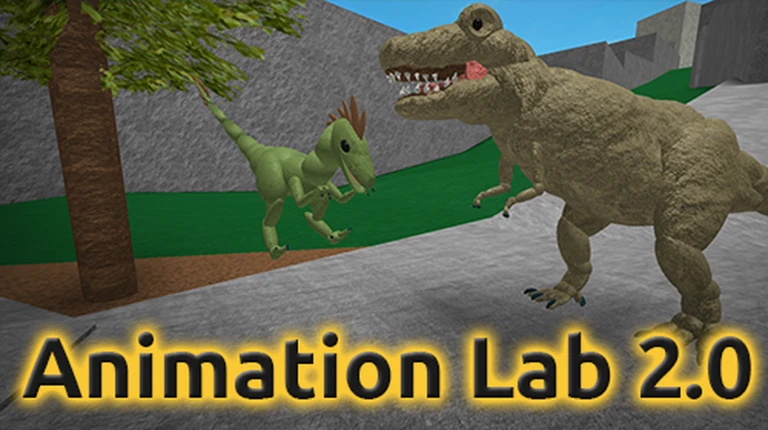
Yes, Animation Lab can be used for any rig that has a Humanoid and appropriately named joints (like a custom monster or creature). As long as your model is properly rigged within Roblox Studio, the Animation Editor will detect its parts and allow you to animate them, bringing unique creatures and objects to life with custom movements.
Is Roblox Animation Lab free to use?
Absolutely. The Animation Lab is a free, built-in plugin that comes with Roblox Studio, making it accessible to all developers without any additional cost. This makes it an incredibly valuable tool for creators looking to enhance their games without investing in expensive third-party software, aligning perfectly with budget-conscious gamers.
How does Animation Lab compare to other animation tools?
Animation Lab is highly integrated and user-friendly for Roblox, excelling in rapid prototyping and in-platform creation. While specialized 3D software like Blender offers more advanced features, Animation Lab prioritizes accessibility and ease of use within the Roblox ecosystem. For many Roblox creators, its convenience and direct integration outweigh the need for external, more complex tools.
Why are my Roblox animations not playing?
Common reasons include incorrect Animation IDs, scripts not properly loading or playing the animation, or issues with the character's rig. Double-check your Animation ID, ensure the Animation object is correctly parented, and verify your script logic. Sometimes, restarting Studio or re-uploading the animation can resolve minor glitches.
What are R15 and R6 animations in Roblox?
R6 and R15 refer to Roblox character rigs. R6 characters have 6 body parts and are simpler, often used for classic Roblox games. R15 characters have 15 body parts, allowing for more detailed and fluid animations with more joints. When animating, it's crucial to know which rig your character uses, as animations are rig-specific.
Roblox Animation Lab offers intuitive tools for creating dynamic in-game character movements and expressive animations. It caters to both beginners and experienced creators, making complex animation processes accessible within Roblox Studio. Key benefits include enhancing game immersion, fostering creative skill development, and improving player engagement. The platform's active community provides ample resources for learning and troubleshooting. Animation Lab helps creators optimize performance by streamlining animation workflows, ensuring smooth gameplay even with intricate sequences. This tool empowers gamers to balance their passion for creation with daily life by providing efficient and user-friendly features to bring their virtual worlds to life. It represents a valuable skill-building opportunity and a cost-effective way to produce high-quality in-game content.
35


REGISTER NOW Creative Brain Roblox Studio Lab Ages 6 12 4 Week Roblox Studio Lab 2026 Spring Camp 1 1024x790 . RobloxGo Animation Lab 2 0 Real Time Stats Insights And Ranking Thumbnail 1. Unlocking Roblox Animation Power With Moon Animator Up To Date 2026 SL1500 . How To Make Animations In Roblox Studio For Beginners A Quick User 282 Cover. Roblox Gameplay Animation Lab 2 0 YouTube Hqdefault


Animation Lab 2 0 Play On Roblox NoFilter. Animation Lab 1 0 Para ROBLOX Jogo Download Animation Lab 10 Screenshot . Definitive Guide To Roblox 2026 TM 07169 Definitive Guide To Roblox 2026 . Unlocking Roblox Animation Power With Moon Animator Up To Date 2026 . Mastering Roblox Studio Animation Part 1 A Step By Step Guide YouTube


Unlocking Roblox Animation Power With Moon Animator Up To Date 2026 . Unlocking Roblox Animation Power With Moon Animator Up To Date 2026 . Animation Lab 2 0 Play On Roblox NoFilter. Animation Lab 2 0 Play On Roblox NoFilter. Unlocking Roblox Animation Power With Moon Animator Up To Date 2026

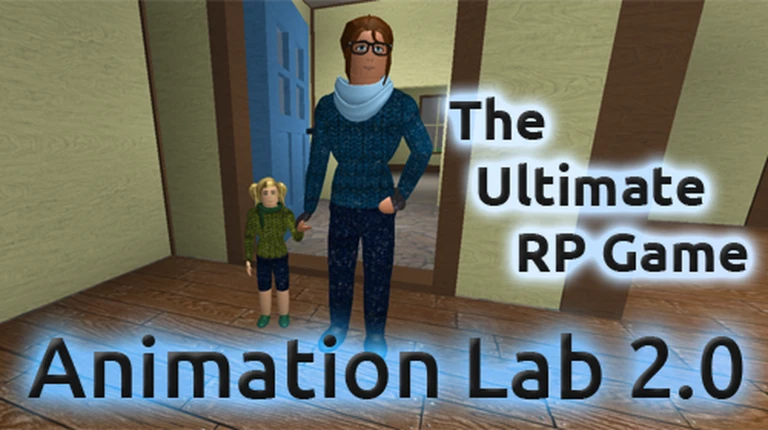


Happy 2026 Roblox Animation YouTube . Animation Lab 2 0 Wikia Places Do Roblox Fandom Latest. Animation Lab 2 0 Play On Roblox NoFilter. Roblox Animation Lab Part 1 YouTube Hqdefault . Animation Test 1 Roblox Studio 2026 Moon Animator YouTube


Roblox 2026 Logo REVEALED New Color New Look YouTube Maxres2 . Roblox 2 Animation Lab 2 0 Gamerul Raul I Drago Fac Un RP YouTube . Roblox 2026 Generative AI Ekonomi Kreator Dan Dominasi Roblox Generative Ai Ekonomi Kreator Metaverse 2026 Cover 2r4KC4.webp. Roblox Animation Lab YouTube . Roblox Animation Lab By Tomarty YouTube




Roblox Animation Lab Review Short YouTube Hqdefault . A Roblox Movie 2026 Teaser Trailer Realtime YouTube Live View . Animation Lab 2 0 Play On Roblox NoFilter. First Roblox Animation Of 2026 YouTube Oar2 . A Roblox Movie 2026 OFFICIAL TRAILER YouTube


The Lab Roblox Short Animation Moon Animator YouTube . Video To Roblox Animation R15 Retargeting FBX Import Loops Cleanup All The Crew Lab . 2026 Roblox Studio Models Guide What To Use Avoid And Why It Matters O . Roblox Animation Lab 2 0 YouTube . Animation Lab May 2026 Special Event At Young V A V A Animation Lab May 2026 2560